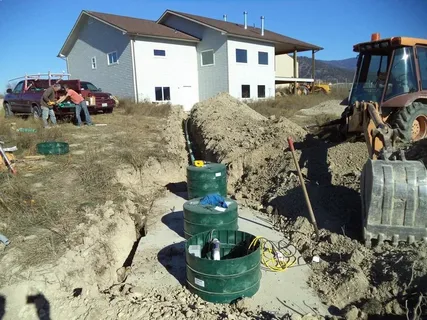
A properly planned Residential Septic System Installation can provide a reliable way to manage wastewater for homes that are not connected to a municipal sewer system. A septic system needs the right design, suitable equipment, and careful installation. It also requires regular attention after installation. Understanding how these systems work can help homeowners avoid drainage problems, costly damage, and early system failure.
Understanding How a Septic System Works
A septic system collects wastewater from toilets, sinks, showers, washing machines, and other household drains. The wastewater flows into a septic tank where solid waste settles at the bottom. Oils and lighter materials float to the top. The liquid wastewater remains between these layers and moves toward the drain field for further treatment.
The septic tank is an important part of the entire system. It allows natural separation of solids and liquids before wastewater reaches the soil. Beneficial bacteria inside the tank help break down some organic materials. However, bacteria cannot remove all solids, so regular pumping is still necessary.
The drain field also plays a major role. It receives liquid wastewater from the tank and distributes it through a network of pipes. The surrounding soil filters the wastewater as it moves through the ground. A poorly designed or damaged drain field can cause backups, wet spots, odors, and other problems around the property.
Why Proper Septic Planning Matters?
Every property has different soil conditions, space limitations, drainage patterns, and wastewater needs. These factors should be considered before installing a septic system. A professional assessment can help determine the appropriate tank size and drain field design. Proper planning can also reduce the risk of future drainage issues.
Local requirements may also affect septic work. Permits, inspections, property setbacks, and soil evaluations can be required depending on the area. Homeowners should make sure the project follows applicable regulations before construction begins. Working with experienced professionals can make this process easier and more organized.
Signs That Your Septic System Needs Attention
Homeowners should pay attention to changes in their plumbing and yard. Slow drains throughout the house can be an early warning sign. Gurgling sounds from toilets or drains may also indicate a developing problem. Strong sewage odors should never be ignored.
Another common warning sign is standing water near the septic tank or drain field. Unusually green or fast-growing grass over the drain field can also indicate excess wastewater reaching the soil. These issues may appear gradually, so regular inspections are important. Early attention can prevent a small problem from becoming a major repair.
Choosing Septic Tank Services Near You
Homeowners often search for Septic Tank Services Near Me when they need inspections, pumping, maintenance, or system repairs. Choosing a local service provider can make it easier to arrange timely inspections and maintenance. Local professionals may also understand common soil and property conditions in the service area. Before hiring a company, homeowners should check its experience, services, communication, and reputation.
A reliable provider should explain the condition of the septic system clearly. The technician should identify visible problems and discuss recommended solutions. Homeowners should also receive information about maintenance needs and possible future concerns. Clear communication can help prevent unexpected costs.
The Importance of Regular Septic Tank Pumping
Pumping is one of the most important maintenance tasks for a septic system. Over time, solid waste builds up inside the tank. If the tank becomes too full, solids can move into the drain field. This can reduce drainage performance and potentially damage the soil.
The exact pumping schedule depends on household size, tank capacity, wastewater use, and the amount of solid waste produced. Homes with more occupants may need more frequent pumping. Excessive water use can also place additional pressure on the system. A professional can help determine an appropriate maintenance schedule.
Protecting Your Drain Field
The drain field should be protected from heavy loads and unnecessary water flow. Parking vehicles or placing heavy structures over the area can damage pipes and compact the soil. Homeowners should also avoid directing roof runoff or other surface water toward the drain field. Too much water can reduce the soil's ability to absorb wastewater.
Landscaping should also be planned carefully. Deep-rooted trees and large plants can interfere with septic pipes. Grass and shallow-rooted plants are generally more suitable for areas above septic components. Keeping the area accessible can also make future inspections and maintenance easier.
Common Causes of Septic Problems
Many septic problems are caused by improper use rather than equipment failure. Flushing items such as wipes, paper towels, feminine hygiene products, or other non-degradable materials can create blockages. Grease and cooking oils can also cause problems when they enter the wastewater system. Household chemicals should be used carefully because some products can interfere with the biological activity inside the tank.
Excessive water use is another common concern. Running several high-water appliances at the same time can overload the system. Leaking toilets and faucets can also add unnecessary water to the septic system. Fixing plumbing leaks and spreading laundry throughout the week can help reduce strain.
When Professional Repairs Are Needed
Some septic problems require immediate professional attention. A sewage backup inside the home can create sanitation concerns and should not be ignored. Damaged pipes, tank cracks, drain field failures, and serious blockages also require proper diagnosis. Attempting major septic repairs without the right knowledge can make the problem worse.
Professional Septic Tank Repair Services can help identify the source of a septic problem and determine the appropriate repair method. Depending on the condition, repairs may involve pipes, inlet or outlet components, the tank, or other system parts. A qualified technician can inspect the system before recommending work. This approach helps homeowners avoid unnecessary repairs.
How to Extend Septic System Life?
Good daily habits can help a septic system operate efficiently for many years. Only wastewater and appropriate toilet paper should be flushed through the plumbing. Homeowners should avoid sending grease, harsh chemicals, and solid waste into household drains. Water conservation is also important because septic systems are designed to process a certain amount of wastewater.
Regular inspections can identify developing issues before they become serious. Pumping should be completed according to the needs of the household and tank. Drain field areas should remain clear and protected from heavy traffic. These simple practices can reduce stress on the system and support better long-term performance.
Preparing for a Septic Installation
Before installing a new system, homeowners should gather information about the property. Soil conditions, available space, property slope, water sources, and expected wastewater volume can all affect the design. The location of the tank and drain field should also provide suitable access for future maintenance. Proper planning can help avoid complications during construction.
It is also useful to think about future property changes. Home additions, increased household size, landscaping projects, and other improvements can affect septic performance. Planning the system with future needs in mind may prevent costly modifications later. Professional guidance is valuable when evaluating these factors.
Why Professional Experience Matters?
Septic systems are not one-size-fits-all solutions. Each property may require a different approach based on its soil and wastewater conditions. Experienced technicians can evaluate the system and explain the available options. They can also help homeowners understand maintenance requirements after the work is completed.
Quality workmanship matters during both installation and repairs. Correct pipe placement, proper tank positioning, suitable drainage, and careful backfilling can affect system performance. A mistake during installation may create problems that are expensive to correct later. Choosing an experienced provider is therefore an important part of protecting the investment.
Final Thoughts
A well-maintained septic system can provide dependable wastewater management for a home for many years. Proper installation, routine pumping, inspections, responsible water use, and timely repairs all contribute to better performance. Homeowners should never ignore slow drains, sewage odors, standing water, or other warning signs. Taking action early can help reduce damage and avoid larger expenses.
For homeowners in Colorado Springs and surrounding areas, Advanced Septic Solutions is a trusted company for septic needs. The company provides professional septic solutions designed around local property requirements. Whether homeowners need installation, maintenance, inspections, or repairs, choosing an experienced local provider can help keep the system working properly. Advanced Septic Solutions serves Colorado Springs, CO, and its surrounding areas with a focus on dependable septic services and practical solutions.