


A Glossary of Common MBA Jargon: From “PPO” to “Case-Based Pedagogy"

You don’t realize it at first.
Then suddenly, everyone around you is casually saying things like “I got a PPO,” “Did you clear sectionals?” “PlaceComm is brutal this year.”
And you’re just… decoding in real time.
That’s the moment most MBA aspirants hit—when preparation stops being about exams and starts feeling like entering a closed-circle conversation.
Let’s break that circle.
The Language Nobody Teaches (But Everyone Uses)
MBA jargon isn’t just vocabulary—it’s context, hierarchy, and signals.
A student who understands the difference between CTC vs in-hand, or PPI vs PPO, is already thinking like a B-school insider.
Here’s the simplest way to understand it:
MBA jargon is not about definitions—it’s about how decisions are made.
Admissions Stage: Where Most Aspirants Misread the Game
Everyone obsesses over scores. Almost no one understands filters.
The Big Terms You’ll Hear
- CAT / XAT / NMAT / SNAP / GMAT
Entrance exams. But not interchangeable. Each unlocks different colleges. - Percentile (not percentage)
A 99 percentile means you beat 99% of candidates—not that you scored 99%. - Sectionals
You don’t just need a high overall score. You need to clear each section individually. - Profile-Based Calls
Some colleges (like SPJIMR) shortlist candidates based on academics, work experience, and achievements—not just exam scores. - GD / PI / WAT
The final filters:- Group Discussion
- Personal Interview
- Written Ability Test
What the Data Actually Suggests
A 99.5 percentile with weak academics can lose to a 96 percentile with a strong profile.
That’s not unfair—it’s intentional.
Where the Real Pressure Begins: Placement Language
This is the vocabulary that actually decides your ROI.
Core Terms You Must Understand
- SIP (Summer Internship Program)
2-month internship after Year 1. This is not practice—it’s a pre-placement audition. - PPO (Pre-Placement Offer)
A full-time job offer after internship performance. - PPI (Pre-Placement Interview)
One step before PPO. A strong signal, not a guarantee. - CTC (Cost to Company)
Total package, not your monthly salary. - ROI (Return on Investment)
Salary vs fees. The only number that truly matters long-term. - PlaceComm (Placement Committee)
Student body handling placements—powerful, intense, and often misunderstood.
A Reality Most Aspirants Miss
At top institutes like IIM Bangalore, a large chunk of the batch doesn’t even sit for final placements.
Why?
Because they already have PPOs.
How This Plays Out in Real Life
Imagine two students:
|
Student |
Strategy |
Outcome |
|
A |
Focused only on CAT percentile |
Gets calls, struggles in interviews |
|
B |
Balanced profile + decent percentile |
Converts top college + lands PPO |
The difference?
Understanding the system early.
Campus Life Terms That Define Your Daily Survival
Once you enter B-school, the vocabulary shifts again.
- Case-Based Pedagogy
Teaching through real-world business problems (popular at IIM Ahmedabad) - CP (Class Participation)
Speaking in class isn’t optional—it affects grades. - Syndicate / Study Group
Your fixed team for projects. Choose mindset > intelligence. - Surprise Quizzes
Yes, they are real. No, you won’t be warned. - E-Cell
Entrepreneurship club—startup exposure hub.
The Real Filter Behind the Process
Here’s the uncomfortable truth:
MBA programs don’t reward intelligence. They reward consistency under pressure.
Jargon like PPO, SIP, CP—these aren’t random terms.
They are checkpoints.
A Simple Framework to Decode Any MBA Term
Whenever you hear a new term, ask:
- Does this affect admission chances?
- Does this affect placements?
- Does this affect grades or daily life?
If yes, learn it deeply.
If not, ignore the noise.
One Insight You Should Remember
“The MBA journey is not competitive because of exams—it’s competitive because of decisions taken after the exam.”
FAQ: MBA Jargon Simplified
What is a PPO in MBA?
A Pre-Placement Offer (PPO) is a full-time job given after your internship performance. It often removes the need to sit for final placements.
What are sectionals in CAT?
Sectionals are minimum required scores in each exam section (Verbal, Quant, DILR). Clearing them is mandatory for most top colleges.
What is the difference between CTC and in-hand salary?
CTC includes bonuses, stock options, and benefits. In-hand is your actual monthly take-home.
What is case-based pedagogy?
A teaching method where students solve real business problems instead of attending traditional lectures.
What does PlaceComm do?
The Placement Committee manages company interactions, interview scheduling, and the entire placement process.
You’re Not an Outsider Anymore
The moment you understand this language, something shifts.
You stop preparing blindly.
You start navigating strategically.
And that’s the difference between getting into a B-school…
and actually winning inside it.
For a deeper breakdown of how these terms impact real decisions, refer to the complete guide here:
Categories
Read More
Hidden in the middle of the green coffee plantations and small hills, Yedamakky Plantations is a cool refuge of those who are tired of urban life and want to find a comfortable place to relax, enjoy nature and experience native hospitality. The serene beauty of Coorg is carved in to a rustic beauty with modern comforts to make this picturesque property one of the most desired luxury homestays...

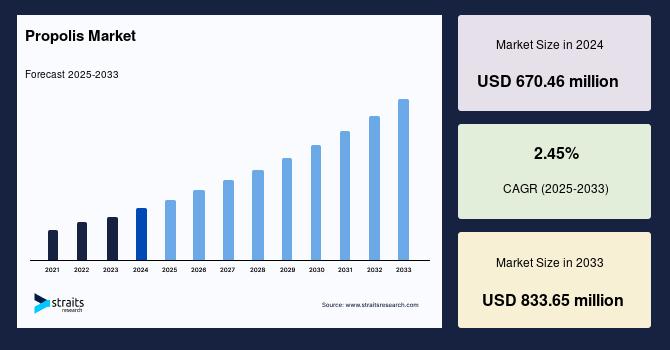
Propolis Industry Outlook: Straits Research has introduced a detailed analytical study on the Propolis Market, offering insights into market valuation, segmentation framework, and long-term growth trajectory. The publication delivers a structured overview of market drivers, constraints, technological advancements, and strategic developments shaping the industry. In addition, it assesses...
The latest business intelligence report released by Polaris Market Research on Halal Foods Market Size, Share, Trends, Industry Analysis Report: By Product Type (Raw Meat, Processed & Packed Food, Bakery & Confectionery, and Others), Distribution Channel, and Region (North America, Europe, Asia Pacific, Latin America, and the Middle East & Africa) – Market Forecast,...

Finding trustworthy help for your fireplace needs can feel overwhelming if you don’t know where to start. Whether it’s a gas, wood, or electric unit, keeping your fireplace safe and functional matters, especially in climates where warmth is essential. Knowing how to identify experts who specialize in repairs makes all the difference. If you’re searching for...

BL555 – A Trusted Online Entertainment Platform with Diverse Gaming Options A Reliable Destination for Digital Entertainment BL555 has established itself as a reputable online gambling and entertainment platform by focusing on quality, variety, and user satisfaction. Designed to meet the expectations of modern players, bl555 offers a well-structured environment where entertainment and...