


DeFi Development in 2026: Complete Guide to Decentralized Finance Platforms, Features, Architecture, Development Process, Security, Cost, Use Cases, and Future Trends

Decentralized finance, commonly known as DeFi, has become one of the most important applications of blockchain technology. DeFi allows users to access financial services through blockchain networks and smart contracts without relying entirely on traditional financial intermediaries.
From decentralized exchanges and lending platforms to staking protocols, stablecoins, liquidity markets, and tokenized assets, DeFi has developed into a broad ecosystem of programmable financial applications.
In 2026, DeFi development is moving toward better scalability, improved user experience, account abstraction, cross-chain interoperability, real-world asset tokenization, institutional participation, and stronger security infrastructure.
For businesses, DeFi development can create new financial products and decentralized marketplaces while providing programmable transaction and settlement infrastructure.
This guide explains DeFi development in detail, including its types, features, architecture, smart contracts, development process, security, technology stack, cost, challenges, use cases, and future trends.
What Is DeFi Development?
DeFi development is the process of designing and building decentralized financial applications using blockchain networks, smart contracts, tokens, wallets, and supporting infrastructure.
Unlike traditional financial applications, DeFi platforms can automate financial rules through smart contracts.
A simplified DeFi architecture looks like:
User
↓
Wallet
↓
DeFi Application
↓
Smart Contracts
↓
Blockchain
↓
Tokens / Liquidity / External Data
Depending on the platform, additional components such as APIs, blockchain indexers, oracles, analytics systems, and decentralized storage may be included.
Why Is DeFi Development Important?
DeFi introduces programmable financial infrastructure.
Potential benefits include:
Automated Transactions
Smart contracts can automatically execute predefined rules.
Transparency
Blockchain transactions and contract activity can often be independently verified.
Composability
DeFi protocols can interact with other blockchain applications.
Global Infrastructure
Blockchain-based financial applications can potentially serve users across multiple jurisdictions, subject to applicable regulations.
Programmability
Developers can build customized financial products around programmable assets.
Reduced Intermediation
Certain financial processes can be automated without requiring every transaction to pass through a traditional intermediary.
Types of DeFi Platforms
DeFi includes several major application categories.
1. Decentralized Exchange Development
Decentralized exchanges, or DEXs, allow users to trade supported digital assets through blockchain-based protocols.
Common DEX functionality can include:
-
Token swaps
-
Liquidity pools
-
Trading fees
-
Slippage controls
-
Liquidity provider positions
2. DeFi Lending and Borrowing
Lending platforms allow users to supply assets and potentially earn protocol-defined returns.
Borrowers can use supported assets as collateral according to the protocol's rules.
Key components include:
-
Collateral
-
Interest rates
-
Loan-to-value ratios
-
Liquidations
-
Risk parameters
3. Staking Platforms
Staking applications can allow users to lock or delegate supported assets according to a blockchain or protocol's rules.
Features may include:
-
Staking deposits
-
Reward calculations
-
Locking periods
-
Unstaking
-
Reward claims
4. Yield Farming Platforms
Yield strategies can distribute incentives to users based on participation in specified pools or protocols.
These systems require careful economic design because reward structures can affect token supply and liquidity.
5. Liquidity Pool Platforms
Liquidity pools allow users to contribute assets to smart-contract-controlled pools.
Liquidity providers may receive fees or other protocol-defined incentives.
6. Stablecoin Platforms
Stablecoin systems aim to maintain a relatively stable value against a reference asset or mechanism.
These platforms require careful reserve, collateral, redemption, risk, and compliance design.
7. Derivatives Platforms
Blockchain-based derivatives can provide programmable exposure to financial instruments.
These applications can be technically complex and require substantial risk-management mechanisms.
8. Asset Management Platforms
DeFi asset-management platforms can automate portfolio strategies using smart contracts.
9. Real-World Asset Platforms
RWA-focused DeFi applications can connect blockchain-based representations of real-world assets with decentralized financial infrastructure.
Key Features of DeFi Development
A modern DeFi platform can include several features.
Wallet Integration
Users can connect wallets to access the platform.
Our Blockchain Wallet Development guide explains wallet infrastructure in greater detail.
Token Support
DeFi platforms can support:
-
Native blockchain assets
-
Fungible tokens
-
Stablecoins
-
Governance tokens
-
Tokenized assets
Token Swapping
DEX applications can allow users to exchange supported assets through defined liquidity mechanisms.
Liquidity Pools
Liquidity pools can facilitate decentralized trading and other financial operations.
Staking
Users may lock or delegate assets according to protocol rules.
Lending and Borrowing
Users can supply or borrow assets through smart contracts.
Governance
Governance systems can allow eligible participants to vote on protocol decisions.
Portfolio Dashboard
A DeFi dashboard can display:
-
Asset balances
-
Liquidity positions
-
Staking positions
-
Borrowed assets
-
Rewards
-
Transaction history
Transaction History
Users should be able to review blockchain activity and protocol interactions.
DeFi Architecture
A scalable DeFi platform can contain several layers.
User Interface
The frontend allows users to interact with the protocol.
Common technologies include:
-
React
-
Next.js
-
TypeScript
Wallet Layer
Wallets provide account access and transaction signing.
Smart Contract Layer
Smart contracts contain core protocol logic.
Blockchain Layer
The blockchain executes transactions and stores state.
Oracle Layer
Oracles can provide external information required by some financial applications.
Indexing Layer
Indexers organize blockchain events for efficient data retrieval.
API Layer
APIs can connect the application with blockchain and off-chain services.
Our Blockchain API Development services can support blockchain data and application integrations.
Smart Contracts in DeFi
Smart contracts are the foundation of most DeFi protocols.
They can control:
-
Deposits
-
Withdrawals
-
Swaps
-
Liquidity
-
Rewards
-
Borrowing
-
Repayment
-
Liquidations
-
Governance
Because financial assets may be directly controlled by smart contracts, contract security is critical.
Our Smart Contract Development guide provides more information about smart contract architecture and security.
DeFi Development Process
Step 1: Define the Financial Use Case
Start with a clear business or protocol objective.
Determine:
-
What problem does the platform solve?
-
Who are the users?
-
Which assets are supported?
-
What financial activity occurs?
-
Why should blockchain be used?
Step 2: Select the Blockchain
Evaluate:
-
Security
-
Transaction costs
-
Throughput
-
Ecosystem
-
Liquidity
-
Developer tooling
Step 3: Design the Economic Model
Define:
-
Fees
-
Incentives
-
Liquidity
-
Rewards
-
Collateral
-
Risk parameters
-
Governance
Step 4: Design Smart Contracts
Map the financial rules into secure contract logic.
Step 5: Develop Contracts
Implement the required functionality using appropriate blockchain development tools.
Step 6: Build the Frontend
Develop interfaces for:
-
Wallet connection
-
Trading
-
Deposits
-
Withdrawals
-
Staking
-
Lending
-
Borrowing
-
Portfolio monitoring
Step 7: Integrate Oracles
If the application requires external price or market information, select appropriate oracle infrastructure.
Step 8: Integrate Blockchain Infrastructure
Use reliable RPC, node, API, and indexing infrastructure.
Step 9: Test
Testing should include:
-
Unit testing
-
Integration testing
-
Economic testing
-
Smart contract testing
-
Security testing
-
Stress testing
Step 10: Conduct Security Audits
Important contracts should undergo professional security review before production deployment.
Step 11: Deploy to Testnet
Test realistic scenarios before mainnet deployment.
Step 12: Deploy to Production
Deploy contracts and application infrastructure.
Step 13: Monitor the Protocol
Monitor:
-
Transactions
-
Liquidity
-
Contract events
-
Failed transactions
-
Oracle activity
-
Security alerts
DeFi Security
DeFi security requires a layered approach.
Smart Contract Security
Contracts should be carefully tested and audited.
Access Control
Administrative privileges should be limited.
Oracle Security
External price data should come from reliable sources.
Economic Security
The protocol should be tested against manipulation and extreme market conditions.
Liquidity Security
Liquidity mechanisms should be designed to handle unexpected market behavior.
Governance Security
Governance mechanisms should consider voting concentration and malicious proposals.
Common DeFi Security Risks
Reentrancy
A vulnerable contract can potentially be exploited through unexpected recursive calls.
Oracle Manipulation
Incorrect or manipulated price data can result in incorrect protocol decisions.
Flash Loan Attacks
Flash loans can be used to exploit poorly designed financial logic.
Access Control Errors
Improper permissions can expose sensitive administrative functions.
Economic Exploits
A contract may be technically correct but economically vulnerable.
Liquidity Attacks
Poor liquidity design can create severe market risks.
Governance Attacks
Concentrated voting power can create governance vulnerabilities.
DeFi and Token Development
Tokens are central to many DeFi applications.
They can represent:
-
Governance
-
Liquidity positions
-
Rewards
-
Stable-value assets
-
Protocol assets
A successful DeFi ecosystem needs clear token utility and sustainable economics.
Our Blockchain Token Development guide provides more information about token architecture and tokenomics.
DeFi and DApp Development
The user-facing layer of DeFi is usually a DApp.
Users interact with the protocol through a frontend connected to wallets and smart contracts.
Our DApp Development guide explains decentralized application architecture in more detail.
DeFi and Cross-Chain Development
DeFi is increasingly expanding across multiple blockchain networks.
Cross-chain infrastructure can allow applications to interact with assets and liquidity across supported networks.
A simplified flow is:
User
↓
Source Chain
↓
Cross-Chain Infrastructure
↓
Destination Chain
Cross-chain functionality introduces additional security considerations.
See our Cross-Chain Development guide for more information.
DeFi and Real-World Assets
Real-world asset tokenization is an important development area.
Potential asset categories include:
-
Real estate
-
Financial instruments
-
Funds
-
Commodities
-
Credit instruments
DeFi applications can potentially provide financial infrastructure around tokenized assets.
However, the legal relationship between an on-chain token and an off-chain asset must be properly established.
DeFi for Businesses
Businesses can explore DeFi development for:
-
Digital asset services
-
Payments
-
Treasury management
-
Tokenized assets
-
Lending
-
Trading
-
Liquidity management
Enterprise DeFi applications may require additional controls around compliance, identity, risk management, and permissions.
DeFi Technology Stack
Frontend
Common technologies include:
-
React
-
Next.js
-
TypeScript
-
JavaScript
Smart Contracts
EVM-based applications commonly use Solidity, while other blockchain ecosystems use their own development languages.
Blockchain Infrastructure
DeFi platforms can use:
-
RPC providers
-
Blockchain nodes
-
APIs
-
Indexers
Oracle Infrastructure
Oracles can provide external market information.
Security Infrastructure
Security systems can include:
-
Monitoring
-
Transaction simulation
-
Access controls
-
Contract analysis
-
Alerting
DeFi Development Cost
There is no universal cost for developing a DeFi platform.
Costs depend on:
-
Platform type
-
Smart contract complexity
-
Blockchain
-
Number of contracts
-
Frontend complexity
-
Wallet integrations
-
Oracle requirements
-
Tokenomics
-
Liquidity infrastructure
-
Security audits
-
Cross-chain functionality
-
API and indexing infrastructure
A simple staking application can be considerably less complex than a multi-chain decentralized exchange or lending protocol.
Factors That Increase DeFi Development Costs
Complex Financial Logic
Advanced financial mechanisms require additional engineering and testing.
Multiple Blockchain Networks
Multi-chain support increases development and maintenance requirements.
Oracle Integration
Financial applications requiring external price data need reliable oracle infrastructure.
Security Auditing
Complex DeFi protocols require extensive security testing and audits.
Governance
DAO and governance infrastructure introduces additional smart contract and economic complexity.
Analytics
Real-time portfolio and protocol dashboards require advanced indexing infrastructure.
DeFi Development Challenges
Smart Contract Risk
Financial assets can be directly controlled by code, making contract security critical.
Market Volatility
Rapid market movements can affect liquidity, collateral, and protocol risk.
Liquidity
Protocols need appropriate liquidity to support intended operations.
User Experience
Gas fees, wallet connections, approvals, and blockchain confirmation can create friction.
Regulatory Requirements
Financial applications may be subject to legal and regulatory requirements depending on their structure and jurisdiction.
Scalability
High network demand can increase transaction costs and reduce usability.
Best Practices for DeFi Development
A professional DeFi development process should:
-
Define the financial use case clearly.
-
Design tokenomics carefully.
-
Use well-tested smart contract patterns.
-
Minimize unnecessary contract complexity.
-
Test extreme market scenarios.
-
Secure administrative privileges.
-
Use reliable oracle infrastructure.
-
Conduct independent security audits.
-
Monitor protocol activity continuously.
-
Document risks and user responsibilities.
-
Test liquidity and economic assumptions.
-
Plan upgrades and incident-response procedures.
AI in DeFi Development
AI can enhance DeFi platforms in several ways.
Risk Analysis
AI can analyze transaction and market activity to identify unusual patterns.
Portfolio Insights
AI can summarize user positions and historical activity.
Automated Monitoring
AI systems can monitor protocol events and flag potential anomalies.
Natural-Language Interfaces
Users may interact with financial applications through conversational interfaces.
Development Assistance
AI can support developers with testing, documentation, code analysis, and debugging.
AI should not replace independent security audits, financial risk analysis, or appropriate human oversight.
Future of DeFi Development in 2026
Layer 2 DeFi
Lower-cost blockchain environments can make frequent DeFi interactions more practical.
Account Abstraction
Smart accounts can simplify wallet and transaction experiences.
Chain Abstraction
Users may increasingly interact with DeFi without manually selecting individual blockchain networks.
Real-World Asset DeFi
Tokenized real-world assets can expand the range of assets available to blockchain-based financial applications.
Institutional DeFi
Institutions may continue exploring blockchain-based settlement, trading, lending, and asset management.
Stablecoin Infrastructure
Stablecoins can remain an important component of blockchain payment and financial ecosystems.
AI-Powered DeFi
AI may improve analytics, risk monitoring, and user interfaces.
Improved Security
Transaction simulation, automated monitoring, formal verification, and better auditing tools can strengthen DeFi infrastructure.
How to Choose a DeFi Development Company
Businesses should evaluate a development partner based on:
-
DeFi development experience
-
Smart contract expertise
-
Token development
-
Wallet integration
-
DApp development
-
Cross-chain experience
-
API development
-
Security engineering
-
Testing
-
Audit coordination
-
Post-launch support
A professional Blockchain Development Company can combine DeFi development with smart contracts, tokens, wallets, DApps, APIs, and cross-chain infrastructure.
Frequently Asked Questions
What is DeFi development?
DeFi development is the process of building decentralized financial applications using blockchain networks, smart contracts, tokens, wallets, and supporting infrastructure.
How much does DeFi development cost?
The cost depends on the type of DeFi platform, smart contract complexity, blockchain, integrations, security requirements, and number of supported networks.
What types of DeFi platforms can be developed?
Common types include decentralized exchanges, lending platforms, staking platforms, liquidity protocols, stablecoin systems, asset-management applications, and tokenized-asset platforms.
Is DeFi secure?
DeFi security depends on smart contract quality, economic design, oracle infrastructure, access controls, and monitoring. Security audits are strongly recommended for important protocols.
Can DeFi applications support multiple blockchains?
Yes. Cross-chain infrastructure can allow DeFi applications to support multiple blockchain ecosystems, although this introduces additional technical and security complexity.
Can businesses build custom DeFi platforms?
Yes. Businesses can develop customized DeFi applications for trading, lending, staking, asset management, payments, tokenization, and other blockchain-based financial use cases.
Conclusion
DeFi development has transformed blockchain networks into programmable financial infrastructure.
Modern DeFi platforms can support decentralized trading, lending, borrowing, staking, liquidity, tokenization, payments, governance, and asset management.
However, building a successful DeFi platform requires more than writing smart contracts. Developers must consider economic design, liquidity, oracle infrastructure, wallet integration, user experience, blockchain scalability, security, monitoring, and applicable regulatory requirements.
In 2026, the DeFi ecosystem is increasingly influenced by Layer 2 networks, account abstraction, cross-chain interoperability, real-world asset tokenization, stablecoins, institutional adoption, AI-powered analytics, and stronger security infrastructure.
Businesses should approach DeFi as a complete financial technology product rather than a collection of smart contracts.
Категории
Больше
Vidalista is a trusted medication designed to help men overcome erectile dysfunction and regain confidence in their intimate life. Powered by Tadalafil, Vidalista works by improving blood flow to the penis, helping achieve firm, long-lasting erections during sexual activity. Whether you're new to ED treatment or need a stronger solution, Vidalista offers various dosage options...
Code promo 1xBet 2026: 1XBIG2026 | Bonus jusqu'à 130€ Le meilleur code promo 1xBet est : "1XBIG2026". Obtenez un bonus de 200 % jusqu'à 200 € sur les paris sportifs et un bonus casino de 1500€ + 150 free spins. 1xBet est un bookmaker qui propose une grande diversité de marchés de paris et des cotes compétitives. L’inscription se fait en...

In today’s fast-paced digital world, your image is often your first impression. Whether on LinkedIn, corporate websites, casting calls, or personal branding portfolios, your headshot represents who you are. A polished, professional headshot can help you build trust, open opportunities, and stand out from the competition. This is why headshot retouching services have become essential for...

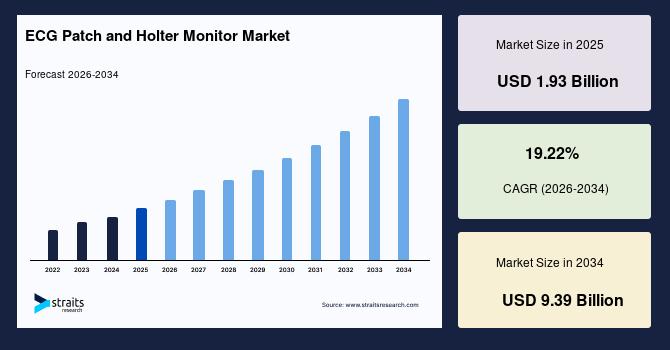
ECG Patch and Holter Monitor Industry Insights: Straits Research recently introduced the latest update on the ECG Patch and Holter Monitor Market that provides an extensive outlook of the market, analyzing key growth opportunities, challenges, risk factors, and emerging trends across diverse geographic regions. The report offers a definitive and meticulous analysis of the ECG Patch...
Market Overview The hydraulic marine cranes market is likely to witness an impressive CAGR of 6.2% during the forecast period. The market is benefiting from ongoing economic development, government alliances, globalization, and increasing ship and vessel production worldwide. Rising seaborne trade activities, coupled with growing foreign direct investment (FDI) in manufacturing sectors across...
