


Life Sciences Procurement Transformation in 2026: How AI Is Redefining Strategic Sourcing
The New Role of Procurement in Life Sciences
In 2026, procurement is evolving from a cost-focused function into a strategic capability that supports resilience, innovation, compliance, and speed. Life sciences organizations operate in an environment shaped by scientific advances, complex supplier networks, regulatory requirements, and changing manufacturing models. As a result, procurement teams need greater agility and stronger visibility across sourcing decisions. Industry analysis also emphasizes that procurement must adapt continuously as scientific and technological developments reshape the sector.
This shift is accelerating through artificial intelligence (AI). Modern AI can analyze large volumes of procurement, supplier, market, and operational data, helping teams make faster and more informed sourcing decisions.
AI-Powered Strategic Sourcing
Traditional strategic sourcing often depends on manual market research, supplier comparisons, historical spend analysis, and lengthy request-for-proposal processes. AI can streamline these activities by identifying patterns across structured and unstructured data.
AI-enabled systems can analyze supplier capabilities, pricing trends, historical performance, contract information, and external market signals to support supplier discovery and evaluation. Generative AI can also assist with sourcing documentation, requirements analysis, and the preparation of supplier communications.
The result is a sourcing process that moves from reactive analysis toward continuous intelligence. Procurement professionals can spend less time gathering information and more time evaluating strategic trade-offs, negotiating with suppliers, and building long-term relationships.
Strengthening Supplier Risk and Resilience
Supplier resilience is particularly important in life sciences because disruptions can affect manufacturing continuity, product availability, and ultimately patient access. AI can support earlier identification of potential risks by monitoring supplier performance, geographic exposure, capacity indicators, market conditions, and other relevant signals.
Instead of waiting for a disruption to occur, procurement teams can use predictive insights to assess alternative suppliers, evaluate dual-sourcing strategies, and strengthen regional supply networks. Current life sciences procurement priorities increasingly emphasize capacity assurance, supplier diversification, regional resilience, and risk-based sourcing.
Improving Compliance and Decision Quality
Procurement transformation in a regulated industry cannot be based on automation alone. AI adoption requires appropriate governance, reliable data, human oversight, and auditable decision processes. Research on agentic AI in procurement highlights data quality, legacy-system integration, process redesign, capability building, and governance as important factors in achieving sustainable outcomes.
For life sciences organizations, this means AI-generated recommendations should complement—not replace—expert judgment. Procurement leaders remain accountable for supplier qualification, risk assessment, contractual decisions, regulatory considerations, and strategic sourcing outcomes.
From Cost Savings to Business Value
AI is also changing how procurement performance is measured. Cost reduction remains important, but strategic sourcing increasingly contributes to resilience, sustainability, innovation, and speed to market. AI can help procurement teams connect sourcing decisions with broader business objectives by providing timely insights into cost, risk, supplier performance, and market dynamics.
This broader role reflects the changing expectations of procurement functions globally, where AI is increasingly being used to shift teams away from repetitive transactional work and toward strategic decision-making.
Building the Future of Strategic Sourcing
Successful life sciences procurement transformation will depend on combining technology with strong processes, high-quality data, skilled professionals, and effective governance. Organizations that approach AI as a business transformation rather than simply a technology implementation can create more responsive sourcing models.
In 2026, the most effective procurement organizations will use AI to anticipate risks, strengthen supplier strategies, accelerate analysis, and improve decision quality while keeping experienced professionals at the center of critical decisions. This balance between intelligent automation and human expertise will define the next generation of strategic sourcing in life sciences.
Nach Verein filtern
Read More
According to the latest report published by Data Bridge Market Research, the Veneer Sheets Market CAGR Value Data Bridge Market Research analyses that the veneer sheets market was valued at USD 3,300 million in 2021 and is expected to reach USD 4692.93 million by 2029, registering a CAGR of 4.50 % during the forecast period of 2022 to 2029. Veneer Sheets Market...

In the field of advanced engineering materials, 18 percent nickel maraging steel plays a crucial role due to its exceptional strength, toughness, and dimensional stability. To ensure quality, safety, and consistency, the Bureau of Indian Standards (BIS) has established IS 14652: 1999, which governs the specifications for 18 percent nickel maraging steel bars and rods in India. This standard is...
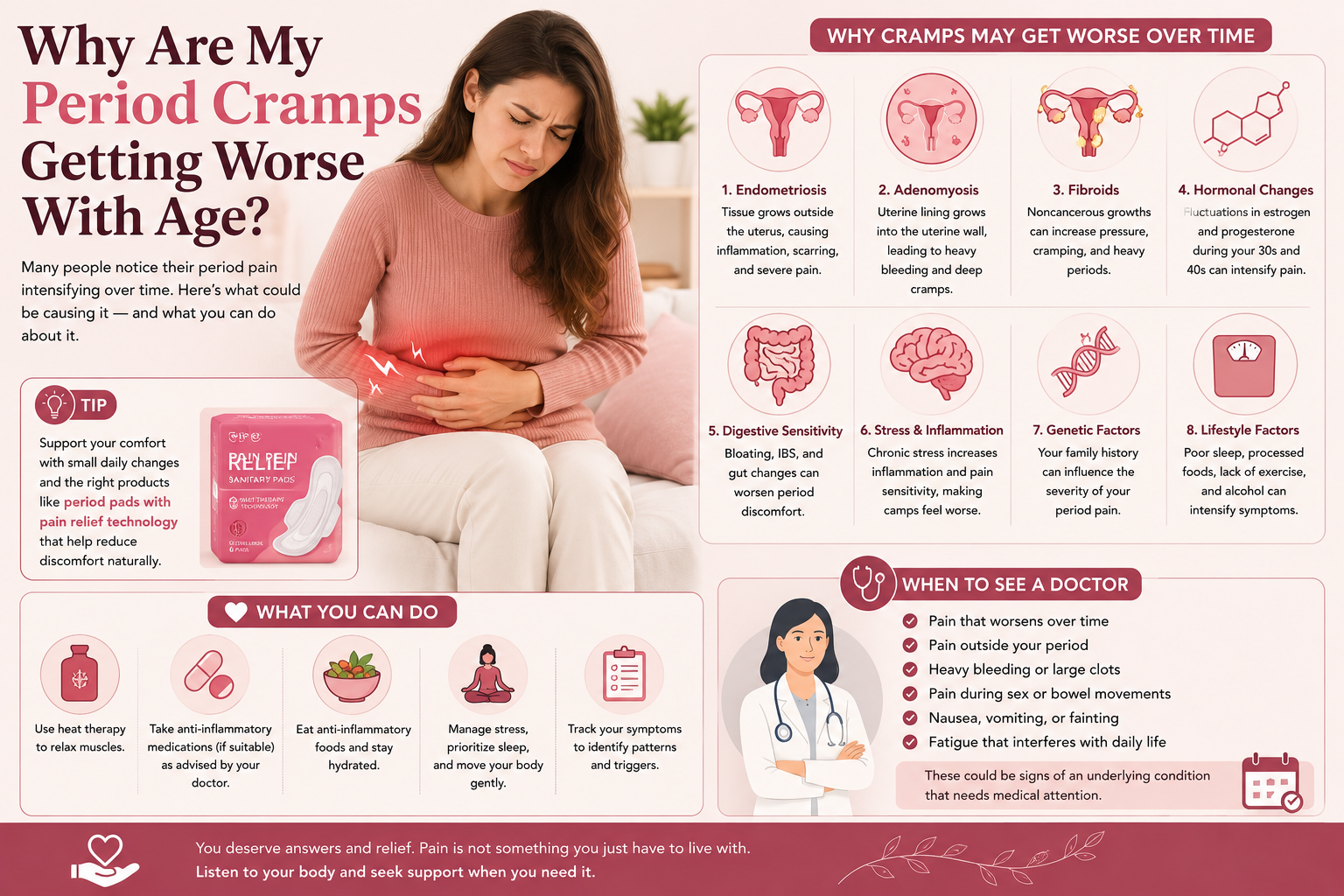
Many people assume period cramps should improve as they get older. So when cramps suddenly become more intense in your late 20s, 30s, or even 40s, it can feel confusing and concerning. If you have noticed worsening period cramps over time — stronger pain, heavier bleeding, nausea, fatigue, or pain that lasts longer than it used to — you are not imagining it, and you are certainly...
The technology industry continues to evolve rapidly, creating new opportunities for students, graduates, and working professionals looking to build rewarding careers. Whether your goal is to enter digital marketing, data analytics, software development, or artificial intelligence, selecting the right training institute can significantly influence your career growth. With increasing demand for...
In an industry where results are hard to measure in the short term, and every agency promises the same outcomes, the temptation to choose the cheapest link building services is understandable. But the true cost of cheap link building is rarely visible in the invoice. It shows up months later in penalized rankings, lost traffic, and expensive recovery efforts. Why Cheap Links Are...