


How Modified Starch for Food Processing Enhances Texture and Stability
Texture and stability are among the most critical quality attributes in processed foods. A sauce that separates, a frozen dessert that becomes icy, or a bakery item that goes stale quickly can damage brand reputation and consumer trust. Modified starch for food processing has become the invisible workhorse that solves these challenges, and potato-based variants are particularly prized for their ability to deliver superior mouthfeel and process resilience.
The unique granular structure of potato starch is inherently high in viscosity and forms clear, cohesive gels. When modified through mild cross-linking or stabilization, the starch granules become even more robust, capable of withstanding the intense heat, pressure, and shear encountered in modern manufacturing lines. For example, in retorted soups and sauces, modified potato starch maintains its thickening power throughout the high-temperature sterilization process, ensuring that the final product has a consistent, velvety texture from the first spoonful to the last. As per Market Research Future, the demand for such high-performance starches is steadily rising as food processors seek to improve product quality while minimizing ingredient lists.
One of the standout benefits is freeze-thaw stability. Native starch will retrograde and weep water when frozen and then thawed, leading to a broken, watery texture. Stabilized modified potato starch solves this by incorporating chemical groups that prevent the starch chains from reassociating after gelatinization. This property is essential for frozen gravies, pie fillings, and ice cream variegates, allowing them to go directly from the freezer to the microwave or stove without losing their creamy, thick consistency. The improvement in visual appeal and eating quality is immediate and tangible.
In the dairy and dessert category, modified potato starch contributes to a short, non-stringy, and creamy mouthfeel that closely mimics fat. This makes it invaluable in reduced-fat sour creams, cream cheeses, and pudding cups. It provides a glossy sheen that enhances visual richness, and its neutral flavor profile ensures that the delicate dairy notes are not overpowered. Additionally, it helps prevent syneresis in yogurt and custards, extending the shelf life and maintaining an appetizing appearance throughout the product’s use-by window.
Bakery manufacturers use modified potato starch to improve dough machinability and crumb softness. It increases water absorption, allowing for higher moisture content in the final baked good, which translates to a moister, more tender product. In bread, it can delay staling by interfering with starch retrogradation, keeping the loaf fresh for a longer period. In gluten-free cakes and muffins, it provides the necessary structure and spring that gluten would normally offer, making the products more indulgent and less crumbly.
As per Market Research Future, the continuous innovation in starch modification technology is enabling tailored solutions that meet very specific processing challenges, from high-shear aseptic systems to microwave cooking. The ability to fine-tune viscosity breakdown, gel clarity, and cold-storage stability makes modified potato starch an invaluable design tool for food developers aiming to create products that are both delicious and durable. Texture may be a sensory experience, but its foundation is often built on the right starch chemistry.
FAQs
- How does modified potato starch improve the shelf life of processed foods?
By controlling water migration and preventing retrogradation, modified potato starch reduces staling in baked goods and syneresis in dairy and sauce products. This maintains product texture and appearance over time, effectively extending shelf life without the need for additional preservatives. - Is modified starch for food processing considered a natural ingredient?
It depends on the modification method. Physically modified starches (using heat, moisture, or shear) are generally accepted as natural and clean label. Chemically modified starches are functional but are regulated as food additives and may be listed with specific E-numbers or chemical names, which can affect the clean label status.
Категории
Больше
Polaris Market Research has published a brand-new report titled GCC Printing Inks Market Size, Share, Trend, Industry Analysis Report By Process Type (Gravure, Flexographic, Lithographic, Digital, Others), By Resin, By Application, By Country – Market Forecast, 2025–2034 that includes extensive information and analysis of the industry dynamics. The opportunities and...

In today's fast-paced digital era, just how people consume music, entertainment, and cultural content has evolved dramatically. Audiences are no more satisfied with passive consumption; they seek engaging, insightful, and relatable content that reflects their interests and lifestyle. This shift has given rise to modern blogging platforms that give attention to delivering value-driven...

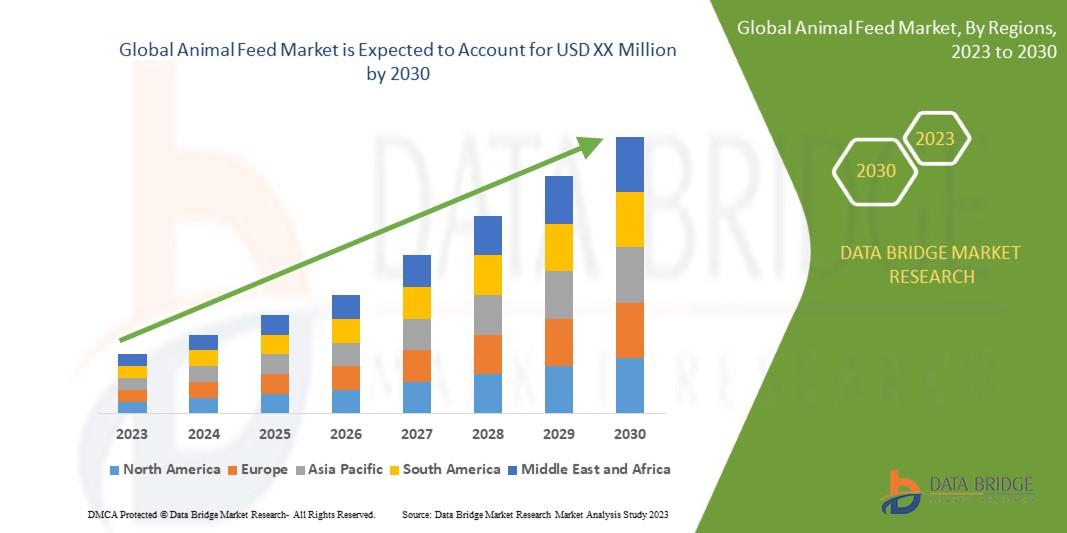
Global Executive Summary Animal Feed Market: Size, Share, and Forecast CAGR Value The global Animal Feed market was valued at USD 196.92 billion in 2024 and is expected to reach USD 328.36 billion by 2032 During the forecast period of 2025 to 2032 the market is likely to grow at a CAGR of 6.60%, primarily driven by escalating global demand for animal protein Animal Feed Market...
With its 1.0 release on July 25, 2024, 7 Days To Die presents five attributes—Perception, Agility, Fortitude, Strength, and Intelligence—each governing related perks and weapon damage. You start with four skill points and gain one per level, and respec is expensive, so early specialization matters. Here’s a concise ranking based on overall utility, updated to reflect the...

Online betting platforms have become increasingly popular among users who want quick access to sports betting, live casino games, and virtual gaming experiences. However, many users still face challenges when it comes to account setup, payment processing, and managing betting IDs. This is where SkyExchange Agent services play an important role. A trusted agent helps users complete...