


Australia Study Programs: Discover Courses That Match Your Goals

Australia is a popular destination for international students looking for quality education, practical learning, and global exposure. Its education sector offers a wide range of qualifications across academic, professional, and vocational fields. Students can choose programs that match their interests while developing knowledge and skills that may support their future careers. However, selecting the right course requires careful research rather than simply following popular choices.
Understanding Australia Study Programs
Australia Study Programs provide opportunities in areas such as business, information technology, engineering, healthcare, accounting, hospitality, education, design, and social sciences. Students can explore vocational courses, undergraduate degrees, postgraduate qualifications, and research programs according to their previous education and career objectives.
Every course has different entry requirements, duration, tuition fees, subjects, and learning methods. Students should compare these factors carefully before making a final decision. Understanding the course structure and its connection to future career plans can help students choose an education pathway with greater confidence.
Choosing the Right Course
The ideal course should reflect a student's interests, academic background, abilities, budget, and professional goals. Students should first consider what type of career they want to build and then identify qualifications that can provide relevant knowledge.
For example, technology-focused students may explore software development, cybersecurity, data analytics, or information systems. Those interested in business may consider management, finance, marketing, or international business. Healthcare, education, engineering, and hospitality also offer different study pathways.
Students should look for programs that include practical projects, industry exposure, internships, or workplace-based learning where available. These experiences can help connect classroom knowledge with real-world situations.
Comparing Institutions and Costs
Australia has universities, colleges, vocational education providers, and specialised institutions. Each provider can differ in course quality, facilities, teaching style, student support, location, and career services.
Before applying, students should compare tuition fees and calculate additional expenses such as accommodation, food, transportation, health insurance, study materials, and personal costs. Living expenses can vary between cities, so location should be included in the overall budget.
Eligible students may also explore scholarships. Since scholarship requirements and deadlines differ, applicants should research opportunities early and carefully review the conditions before applying.
Admission and Documentation
Course admission requirements depend on the institution and program. International students may need academic transcripts, certificates, proof of English proficiency, identification documents, portfolios, or professional experience.
Preparing documents early can make the application process more organised. Students should check that names, dates, qualifications, and other information are accurate and consistent.
It is also important to understand that admission and immigration are separate processes. An offer from an education provider does not automatically mean that the student has met all applicable visa requirements.
Planning for Family
Some international students may travel with their spouse or need to consider family arrangements while studying. Understanding these plans before departure can help with accommodation, finances, healthcare, and other practical matters.
Students interested in family immigration options can research the Australia spouse visa category and its specific eligibility conditions. Requirements can depend on individual circumstances and may change, so applicants should always verify current information before making decisions.
Student Life in Australia
Moving overseas involves more than attending classes. Students should prepare for accommodation, transportation, budgeting, communication, and cultural differences before arriving.
Australian institutions commonly provide international student services such as orientation programs, academic assistance, libraries, career support, student clubs, and wellbeing resources. Using these services can make the transition easier.
Students can also participate in campus activities, volunteering, group projects, and networking events. These experiences can help develop confidence, communication skills, teamwork, and valuable personal connections.
Building Career-Ready Skills
International education can provide opportunities to develop skills beyond academic knowledge. Communication, leadership, teamwork, research, digital abilities, and problem-solving are useful across many professional fields.
Students can strengthen their professional profile through projects, internships, networking, industry events, and other practical activities where available. Developing a strong resume and improving interview skills during study can also support future career planning.
Students should understand their visa conditions before undertaking employment or other activities and follow all applicable requirements.
Professional Guidance for Students
Planning overseas education can involve several stages, including course selection, admission, documentation, financial preparation, and immigration planning. Professional guidance can help students understand these stages and organise their plans more effectively.
Zealand Immigration India assists students with education and immigration planning based on their academic background, preferred course, budget, and future objectives. Students should always provide genuine information and verify requirements with the relevant educational and immigration authorities.
Planning Beyond Graduation
Students should consider their long-term objectives before selecting a course. Understanding potential career opportunities, further study options, professional requirements, and applicable immigration pathways can help create a realistic plan.
Students seeking professional immigration assistance may consider consulting MARA registered migration agents who are authorised to provide immigration advice under Australian regulations.
Zealand Immigration India encourages students to make education decisions based on genuine interests, realistic financial planning, and clearly defined career goals.
Conclusion
Choosing an Australian course requires thoughtful research and preparation. Comparing programs, institutions, costs, entry requirements, practical opportunities, student support, and future career possibilities can help students make informed decisions. With the right planning, studying in Australia can provide valuable academic knowledge, practical skills, international exposure, and personal growth.
Nach Verein filtern
Read More
The United States 3D Applications in Healthcare Market holds the largest share within North America due to the country’s advanced healthcare ecosystem and extensive investments in healthcare technology development. Increasing adoption of 3D printing for customized medical devices, expanding use of 3D imaging technologies in diagnostics and surgical planning, and growing demand...

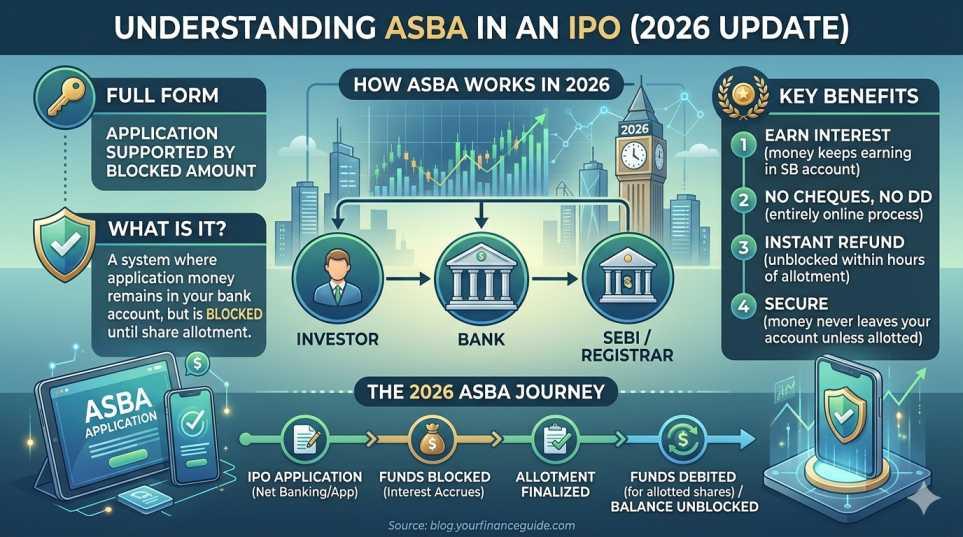
Introduction Many first-time IPO investors often worry about one common question:“What happens if I don’t get IPO allotment? Will my money be lost?” This is where ASBA becomes extremely important. ASBA is one of the safest and most trusted IPO application systems in India. Instead of deducting your money immediately, the bank simply blocks the amount in your account until the...
Every exile starts the same way: broke, undergeared, and struggling to survive. But the ones who rise to the top aren't just the best players—they're the best traders. Trading in Path of Exile 2 is more than just a side activity; it's a core progression system that can turn a lucky drop into a character-defining item or a pile of worthless orbs into POE2 Currency a fortune....

Boost your preparation for the Oracle 1Z0-1095-25 exam with HelloDumps’ updated 1Z0-1095-25 PDF exam questions. Access expert-crafted, exam-focused materials designed to help you learn effectively and pass your certification exam with confidence on the first attempt. 1Z0-1095-25 Exam PDF Questions for Outstanding First-Attempt Results HelloDumps provides reliable and expertly designed...
The Global Overhead Cranes Market Report presents an in-depth analysis, merging qualitative and quantitative insights to provide a holistic understanding of the market's dynamics. The report evaluates growth drivers, challenges, and constraints while forecasting revenue trends across key segments. It offers both historical and projected data, giving stakeholders a clear view of market trends...