AI-Powered Procurement Transformation in 2026: The Complete Roadmap for CPOs

AI-Powered Procurement Transformation in 2026: The Complete Roadmap for CPOs
The Strategic Shift in Procurement
In 2026, procurement is moving beyond transactional efficiency toward enterprise-wide value creation. CPOs are increasingly expected to improve cost performance while strengthening resilience, managing supplier risk, supporting sustainability, and enabling faster business decisions. Recent industry research highlights AI-driven value creation, resilient supply networks, supplier innovation, and future-ready capabilities as major procurement priorities.
This shift makes AI powered procurement transformation more than a technology initiative. It represents a change in how procurement teams use data, technology, talent, and governance to make better decisions across the source-to-pay lifecycle.
Building the Right Data Foundation
Successful transformation begins with trustworthy procurement data. Spend classifications, supplier records, contracts, purchase orders, invoices, and performance information must be accurate, standardized, and accessible.
AI systems depend on consistent data to identify patterns and generate reliable recommendations. Organizations should therefore address fragmented systems, duplicate supplier records, inconsistent categories, and disconnected workflows before scaling advanced use cases. Research on AI adoption across supply chains similarly emphasizes clean data, digital readiness, clear performance measures, and integrated workflows as prerequisites for meaningful transformation.
Automating High-Value Procurement Workflows
The next stage is applying AI where it can reduce repetitive work and accelerate decisions. Intelligent systems can support spend analysis, supplier discovery, sourcing-event preparation, contract analysis, invoice review, demand forecasting, and risk monitoring.
Generative AI can also help procurement professionals interpret large volumes of documents and convert complex information into concise insights. This allows teams to spend less time searching for information and more time on negotiations, supplier relationships, category strategy, and business collaboration.
The objective should not be automation for its own sake. Each use case should have a measurable business outcome, such as faster cycle times, improved compliance, lower processing costs, stronger savings realization, or better supplier performance.
Embracing Predictive and Agentic Procurement
One of the most significant 2026 developments is the movement from analytical AI toward predictive and agentic capabilities. AI can increasingly identify emerging risks, anticipate demand changes, recommend sourcing actions, and support scenario planning.
However, autonomous execution requires careful controls. Emerging research on AI agents in procurement negotiations demonstrates that model capability and verification mechanisms can materially affect commercial outcomes. CPOs should therefore define decision rights, approval thresholds, escalation paths, and human-review requirements before allowing AI to execute consequential actions.
Strengthening Governance and Responsible AI
Governance is central to sustainable procurement transformation. AI-enabled procurement must protect sensitive supplier, pricing, contractual, and financial information while maintaining transparency and auditability.
CPOs should establish clear policies covering data access, model validation, human oversight, cybersecurity, regulatory compliance, and performance monitoring. Responsible governance creates confidence among procurement teams and business stakeholders while reducing the risks associated with poorly controlled automation.
Measuring Transformation Through Business Value
The final stage is continuous measurement and improvement. Procurement leaders should track outcomes rather than simply counting AI deployments. Relevant measures can include savings, spend under management, sourcing speed, supplier-risk exposure, compliance, working-capital impact, process productivity, and stakeholder satisfaction.
The strongest organizations will treat AI as an evolving capability rather than a one-time implementation. By combining reliable data, targeted automation, predictive intelligence, responsible governance, and human expertise, CPOs can position procurement as a strategic driver of resilience, efficiency, and enterprise growth in 2026.
Categorias
Leia Mais
Introduction More than 75% of consumers judge a company's credibility based on its website. That means a slow, outdated, or poorly designed website can cost a business valuable customers before a conversation even begins. In the UK, where digital competition continues to increase across almost every industry, having a professionally developed website is no longer optional. It has...

Manali is one of the most loved hill destinations in India, known for its snow-covered mountains, scenic valleys, pleasant weather, and peaceful atmosphere. Every year, thousands of travelers visit this beautiful destination to enjoy vacations, honeymoons, and family trips. Because of the growing tourism industry, there are many options available when it comes to choosing Luxury Resorts In...

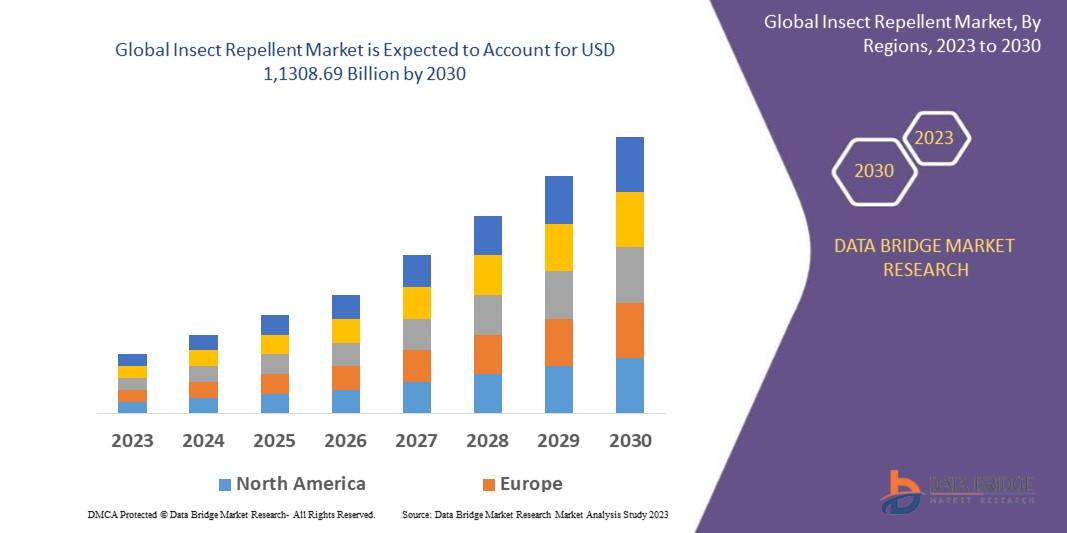
Insect repellents are substances applied to skin, clothing, or surfaces to deter insects such as mosquitoes, ticks, flies, and bugs from landing or biting. Data Bridge Market Research analyses that the insect repellent market which was USD 7,095.21 million in 2022, would boost up to USD 1,1308.69 billion by 2030, and is expected to undergo a CAGR of 6.00% during the forecast period. They...
QKS Group highlights that the global Trade Surveillance and Monitoring market is poised for significant expansion, projected to grow at a compound annual growth rate (CAGR) of 17.20% through 2032. This strong growth trajectory reflects the increasing urgency among financial institutions to strengthen compliance frameworks, mitigate trading risks, and uphold market integrity in an increasingly...
Travel plans can shift unexpectedly, and having the flexibility to make quick adjustments is essential. With the Air Canada Change Booking feature, passengers can manage, modify, and update their flight reservations without hassle. Whether you need to switch travel dates, update passenger details, or upgrade your seat, Air Canada offers a smooth and user-friendly system for modifying...