


Plastic Injection Molding Service: A Complete Guide to Custom Plastic Manufacturing
When businesses need strong, accurate, and cost-effective plastic components, choosing the right Plastic Injection Molding Service can make a significant difference. From automotive components and electronic housings to medical products and consumer goods, injection molding supports the production of complex plastic parts with consistent quality and repeatable results.
What Is Plastic Injection Molding?
Plastic injection molding is a manufacturing process in which plastic pellets are heated until they become molten and then injected into a precision-engineered mold. The material cools inside the mold and takes the required shape before being ejected as a finished component.
This manufacturing method is especially valuable for businesses that require consistent parts in medium- to high-volume quantities. With the right tooling, materials, and production controls, manufacturers can achieve tight dimensional consistency while maintaining efficient cycle times.
How Does a Plastic Injection Molding Service Work?
A professional molding project typically follows several important stages.
1. Product Design and Engineering
Every successful project begins with a detailed product design. Engineers review the CAD model and evaluate factors such as wall thickness, draft angles, ribs, bosses, undercuts, tolerances, and parting lines.
Design for Manufacturing (DFM) analysis can identify potential production problems before tooling begins. Making these improvements early can reduce tooling changes, production delays, and unnecessary costs.
2. Precision Mold Development
After the product design is approved, the mold is designed around the required geometry. The tooling normally includes the core, cavity, runner system, gates, cooling channels, and ejection mechanism.
Mold precision directly affects the quality and consistency of the finished component. For this reason, tooling materials, machining accuracy, cooling design, and mold maintenance are all important considerations.
3. Plastic Material Selection
Selecting the correct resin is another critical part of the process. Different applications require different performance characteristics.
Common materials include:
-
ABS for impact-resistant housings and consumer products
-
Polypropylene for lightweight and chemically resistant components
-
Polycarbonate for applications requiring strength and transparency
-
Nylon for durable engineering components
-
POM for low-friction and wear-resistant parts
-
Polyethylene for flexible and chemically resistant applications
The correct material should be selected according to temperature, mechanical stress, chemical exposure, appearance, and application requirements.
4. Injection, Cooling, and Ejection
During production, plastic pellets are fed into the molding machine and heated to the appropriate processing temperature. The molten material is injected into the mold under controlled pressure.
After the cavity is filled, the material is packed and cooled. Once the part reaches the required rigidity, the mold opens and the ejector system removes the finished component.
Carefully controlling injection speed, pressure, temperature, and cooling time helps reduce common defects such as warpage, flash, sink marks, and short shots.
Why Choose Plastic Injection Molding?
The popularity of injection molding comes from its combination of efficiency, accuracy, and scalability.
Consistent Production
Once the mold and process parameters have been validated, the same component can be reproduced repeatedly with reliable dimensional consistency.
Suitable for Complex Designs
Injection molding can create detailed geometries, integrated features, textured surfaces, clips, ribs, bosses, and other design elements that may be difficult to produce using simpler manufacturing methods.
Cost Efficiency at Scale
Although tooling requires an initial investment, the cost per component can become highly competitive when producing large quantities. This makes injection molding particularly suitable for commercial products with ongoing production requirements.
Wide Material Selection
Manufacturers can select from numerous thermoplastics to achieve different combinations of strength, flexibility, heat resistance, chemical resistance, durability, and appearance.
Common Applications of Injection Molded Parts
A modern Plastic Injection Molding Service can support many industries.
Automotive Industry
Injection molded components are used for interior trim, covers, brackets, clips, housings, panels, and other functional parts.
Electronics Industry
Electronic products commonly require precision housings, connectors, switches, protective covers, and enclosures. Injection molding can provide the dimensional accuracy needed for these assemblies.
Medical Industry
Medical and healthcare components may require specialized materials, controlled manufacturing conditions, traceability, and stringent inspection procedures. Project requirements should always be established according to the relevant application and regulations.
Consumer Products
Household products, appliances, tools, packaging components, accessories, and everyday plastic products are frequently manufactured using injection molding.
What Makes a Good Injection Molding Company?
Choosing a molding supplier is an important business decision. A competitive quotation is useful, but it should not be the only consideration.
Look for Strong Engineering Support
A capable manufacturer should be able to review your product design and identify possible molding challenges before production starts.
Check Tooling Capabilities
Ask about mold design, machining, testing, maintenance, expected tool life, and the supplier's experience with similar projects.
Evaluate Quality Control
Reliable production requires inspection at appropriate stages. Depending on the project, manufacturers may use dimensional measurement, visual inspection, material verification, and functional testing.
Consider Production Capacity
The supplier should have sufficient machine capacity and production resources to meet both current and future requirements.
Review Communication and Support
Clear communication is essential when discussing drawings, revisions, samples, tooling changes, production schedules, and quality concerns.
Plastic Injection Molding vs. Other Manufacturing Processes
Different manufacturing methods are appropriate for different production needs.
|
Manufacturing Method |
Best For |
Main Consideration |
|
Injection Molding |
Medium- to high-volume plastic parts |
Requires tooling investment |
|
CNC Machining |
Low-volume precision components |
Higher cost for large quantities |
|
3D Printing |
Prototypes and low-volume parts |
Usually slower for mass production |
|
Vacuum Forming |
Large thin-walled plastic products |
Limited design complexity |
Injection molding becomes particularly attractive when a company needs thousands or more identical components with consistent quality.
How to Prepare for a Molding Project
Before requesting a quotation, prepare as much technical information as possible.
-
Provide a 3D CAD model or engineering drawing.
-
Specify the preferred or required plastic material.
-
Define critical dimensions and tolerances.
-
Explain the expected annual or project quantity.
-
Specify surface-finish requirements.
-
Identify cosmetic or functional areas of the component.
-
Mention any assembly or secondary-processing requirements.
-
Discuss packaging and delivery expectations.
Providing complete information allows the manufacturer to develop a more accurate production proposal.
Common Injection Molding Defects
Even well-designed projects can experience manufacturing issues if tooling or process parameters are not properly controlled.
Common defects include:
-
Warping: Uneven cooling or internal stresses cause the part to deform.
-
Sink marks: Localized depressions may appear where thicker sections cool unevenly.
-
Flash: Excess material may escape through the mold parting line.
-
Short shots: The cavity does not fill completely.
-
Weld lines: Flow fronts meet and create visible or structural lines.
-
Burn marks: Trapped air or excessive heat can damage the plastic surface.
Good mold design, suitable material selection, optimized machine settings, and systematic inspection can help reduce these problems.
Frequently Asked Questions About Plastic Injection Molding
What is a Plastic Injection Molding Service?
It is a manufacturing solution that produces custom plastic components by injecting molten plastic into specially designed molds.
Is injection molding suitable for custom products?
Yes. Custom tooling can be developed to match specific product dimensions, shapes, features, materials, and surface requirements.
What materials are commonly used?
ABS, PP, PC, nylon, POM, polyethylene, and many other thermoplastic materials can be used depending on the application's requirements.
Is injection molding good for mass production?
Yes. It is one of the most widely used processes for producing large quantities of consistent plastic components.
Can injection molding produce complex parts?
Yes. Proper tooling can support complex geometries, detailed features, textures, ribs, clips, and other integrated elements.
How important is mold design?
Mold design is extremely important because it influences filling, cooling, ejection, dimensional accuracy, cycle time, and overall part quality.
How can production costs be reduced?
Costs can often be controlled through DFM optimization, appropriate material selection, efficient mold design, cycle-time optimization, and suitable production volumes.
Can injection molded parts be customized?
Yes. Components can be customized in terms of geometry, color, material, texture, surface finish, dimensions, and functional features.
How long does an injection molding project take?
The timeline depends on product complexity, mold design, tooling requirements, material availability, testing, and production volume.
What should I provide when requesting a quotation?
A CAD file, drawings, material specifications, expected quantity, tolerances, surface requirements, and any special technical requirements are helpful for accurate project evaluation.
Final Thoughts
A reliable Plastic Injection Molding Service can help businesses transform product concepts into consistent, production-ready plastic components. From initial DFM analysis and mold development to material selection, molding, inspection, and finishing, every stage contributes to the final result. If you are planning a new plastic product or need a dependable source for ongoing production, working with an experienced manufacturing partner such as PtmsMold can help you move from design to finished parts with greater confidence. Share your requirements and project drawings to explore the right molding solution for your application.
📞 - +86-755-29708636
👉 - https://www.ptms-mold.com/
Κατηγορίες
Διαβάζω περισσότερα
"Market Trends Shaping Executive Summary Smart Exoskeleton Market Size and Share Global smart exoskeleton market size was valued at USD 19.57 billion in 2024 and is projected to reach USD 53.52 billion by 2032, with a CAGR of 13.40% during the forecast period of 2025 to 2032. A comprehensive analysis of the market structure along with the forecast of the various segments and...

Dafawin App Guide: Download, Install & Login Tips 2026 Enjoy the full Dafawin mobile experience with this full guide regarding how to download or access the app, Android requirements, Android access, and features in the mobile platform. See how the Dafawin app allows you to use the products and services of the website comfortably on your mobile device, while enjoying a hassle-free...

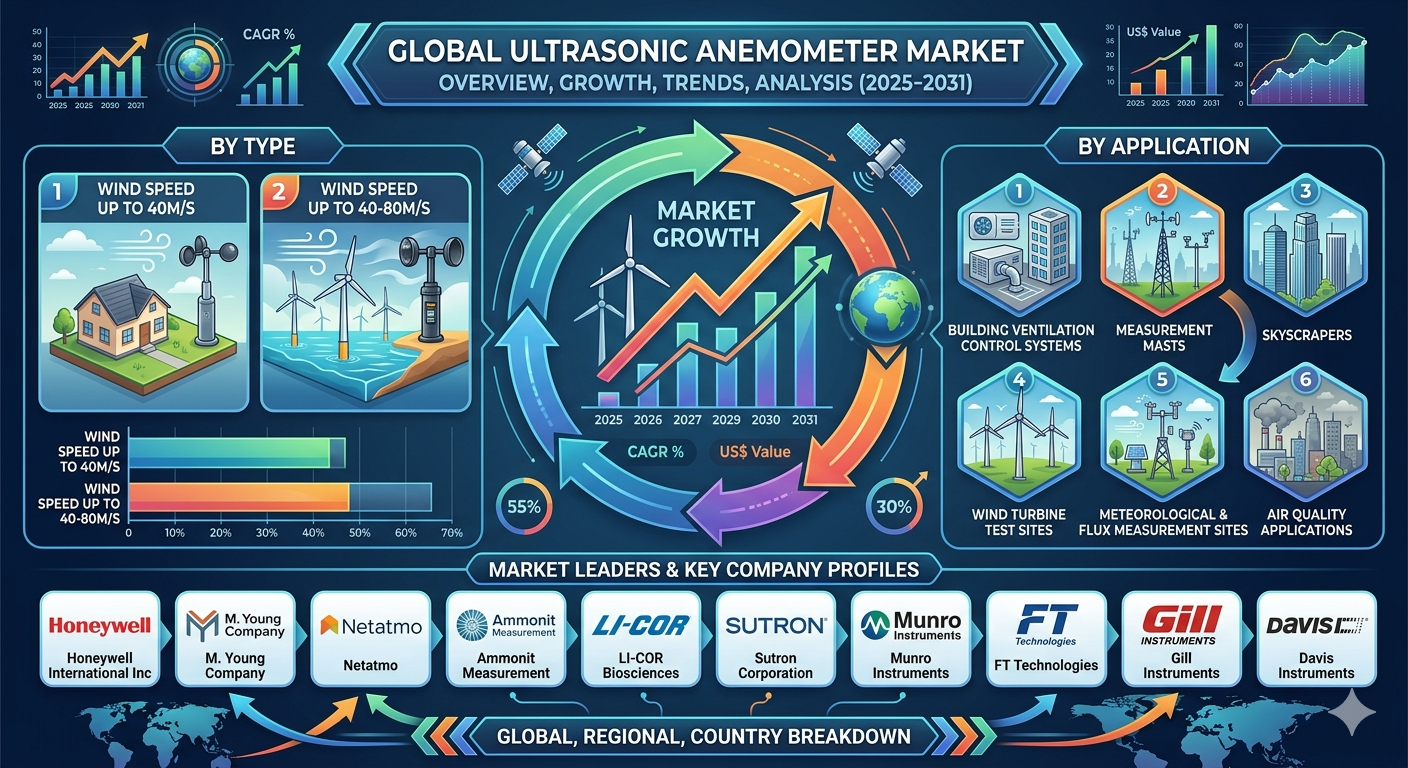
The global demand for advanced wind measurement technologies is accelerating as industries increasingly rely on accurate environmental data for operational efficiency and safety. Ultrasonic anemometers, known for their high precision, durability, and low maintenance requirements, are gaining traction across multiple sectors such as renewable energy, meteorology, aviation, and infrastructure...
" According to the latest report published by Data Bridge Market Research, the Latin America Advanced Wound Care Market The advanced wound care market which is USD 754.7 million in 2022, would rocket up to USD 1,032.86 million by 2030, and is expected to undergo a CAGR of 4% during the forecast period. The wide ranging Latin America Advanced Wound Care Market report...
Automotive Diagnostics Market Summary “The global Automotive Diagnostics Market is expected to reach to USD 60.6 billion by 2032, growing at a CAGR of 8.1% during 2025 to 2032” The TrendBridge Insights Research report, “Global Automotive Diagnostics Market Report 2025 – Future Opportunities, Latest Trends, In-depth Analysis, and Forecast To 2032”, delivers...