


What Are Edge AI Solutions for Healthcare?
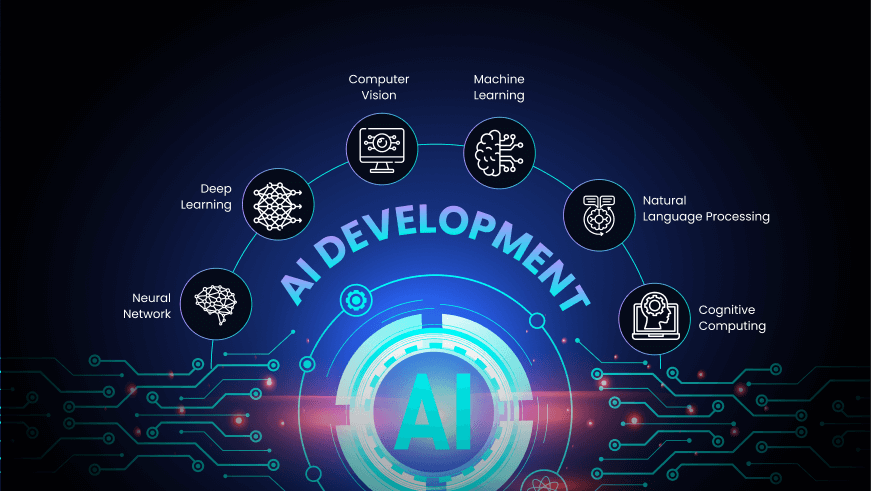
In recent years, the healthcare industry has experienced a dramatic shift toward smarter, faster, and more responsive systems — all driven by advances in artificial intelligence. One of the most exciting developments in this space is the rise of edge ai solutions, which are transforming how medical data is collected, processed, and acted upon. By moving intelligence closer to where the data is generated — such as at the bedside, in wearable devices, or within diagnostic machines — these solutions are solving real problems in real time. In this article, we’ll explore what edge AI solutions are, how they impact healthcare, and why organizations are investing in advanced technologies to stay ahead.
Understanding Edge AI in Healthcare
At its core, edge AI refers to the deployment of artificial intelligence algorithms directly on devices at the “edge” of the network, close to the source of data. This means that instead of sending data to a centralized cloud server for processing, edge AI systems handle computation locally. This can drastically reduce latency, improve reliability, and enhance privacy — all of which are critical in healthcare contexts.
For example, imagine a wearable heart monitor that continuously tracks a patient’s vital signs. Rather than uploading gigabytes of data to a remote server, a device equipped with edge AI can analyze the readings on the spot and alert clinicians instantly if an anomaly is detected. This level of responsiveness can be the difference between early intervention and a missed critical event.
Why Edge AI Matters in Healthcare
Healthcare data is often time-sensitive and privacy-sensitive. Traditional cloud-based analytics may not always deliver the speed or security required for immediate medical decision-making. Edge AI changes that by enabling:
-
Real-Time Analytics — With processing happening locally, critical insights are delivered without delay.
-
Enhanced Privacy — Sensitive patient data doesn’t need to be transmitted to external servers.
-
Reduced Bandwidth Costs — Less data transmission means lower costs and faster performance.
-
Reliable Operations — Edge devices can function even when network connectivity is poor or unavailable.
In many healthcare settings, milliseconds count. For example, continuous monitoring of glucose levels in diabetic patients or the detection of epileptic seizure patterns requires instantaneous interpretation. Edge AI makes this possible.
Key Technologies Behind Edge AI in Healthcare
To understand how these systems work, it’s important to highlight the technology that enables edge intelligence:
Machine Learning Edge Computing
The combination of machine learning and edge computing, often referred to as machine learning edge computing, powers most practical edge AI implementations. Machine learning models that are trained on vast datasets — often in the cloud — are optimized and deployed to run on compact devices at the edge.
These models can classify, predict, and infer results without needing continuous cloud access. In healthcare, this could mean analyzing X-ray images on a handheld diagnostic scanner or interpreting patterns in sleep data from a wearable device.
Sensor Integration
Modern medical devices include a variety of sensors that capture data such as heart rate, blood oxygen levels, temperature, and even biochemical markers. Edge AI systems integrate these sensors smoothly, enabling ongoing, autonomous analysis.
Secure Edge Architecture
Healthcare systems also require stringent security measures. Edge architectures include encryption, secure boot processes, and hardware isolation to protect sensitive data. Since data doesn’t leave the device as frequently, the potential attack surface is reduced.
Examples of Edge AI Solutions in Healthcare
Edge AI solutions are already making an impact across multiple areas of the healthcare system. Below are some compelling examples:
1. Remote Patient Monitoring
With the rise of telehealth, remote patient monitoring has become indispensable. Smart wearables equipped with edge AI can detect irregular heartbeats or critical drops in oxygen saturation, alerting caregivers instantly without relying on cloud connectivity.
2. Intelligent Medical Imaging
Radiology departments can deploy edge AI software within imaging devices such as MRI or CT scanners. These systems can provide instant image analysis, highlighting areas of concern for radiologists and shortening diagnosis times.
3. Smart Hospital Rooms
Edge AI can be embedded in hospital infrastructure — such as beds, cameras, or environmental sensors — to monitor patient movement, detect falls, or ensure compliance with hygiene protocols.
4. Emergency Response Systems
Emergency medical services can leverage edge AI in ambulances to process patient vitals and communicate critical insights to hospitals en route, improving readiness and patient outcomes.
Challenges and Considerations
While the benefits of edge AI solutions are clear, healthcare organizations must also address several challenges:
Accuracy of Models
Because edge devices often have limited computing power, machine learning models must be optimized carefully to ensure they remain accurate and reliable.
Integration With Legacy Systems
Many healthcare providers still rely on older infrastructure. Integrating edge AI with existing systems requires thoughtful planning and execution.
Data Governance and Compliance
Even when data is processed locally, compliance with regulations like HIPAA (in the U.S.) and GDPR (in Europe) remains essential. Policies must ensure that all AI implementations adhere to legal requirements for data protection.
How Healthcare Providers Can Get Started
Healthcare organizations that are ready to explore edge AI solutions can benefit from working with an experienced edge ai development service provider. These specialists can help design, develop, and deploy custom edge AI strategies tailored to clinical needs, existing infrastructure, and regulatory requirements.
A professional edge AI development service includes:
-
Initial assessment of clinical and technical requirements
-
Development of optimized machine learning models
-
Edge hardware and software integration
-
Compliance documentation and testing
-
Continuous support and updates
By partnering with experts, healthcare providers can ensure their edge AI initiatives deliver measurable value while minimizing risk.
Looking Ahead: The Future of Edge AI in Healthcare
The future of healthcare is increasingly intelligent and connected. With advances in hardware acceleration, model compression, and autonomous systems, edge AI solutions are poised to become standard components of medical technology.
Key trends likely to shape the next phase include:
-
Federated Learning — Allowing edge devices to collaboratively improve AI models without sharing raw patient data.
-
5G-Enabled Edge Networks — Enhancing connectivity and capacity for real-time edge applications.
-
AI-Assisted Diagnostics — Empowering clinicians with faster and more accurate decision support.
-
Personalized Medicine — Using edge AI to deliver individualized treatment recommendations based on continuous patient data.
These innovations promise to enhance patient care, improve operational efficiency, and lower costs across the healthcare ecosystem.
Conclusion
In conclusion, edge ai solutions represent a transformative shift in how healthcare systems collect, process, and respond to medical data. By combining the power of artificial intelligence with localized processing, edge AI enables faster decision-making, enhanced privacy, and improved patient outcomes. Whether through wearables that alert caregivers in real time or advanced diagnostic tools that analyze complex imaging instantly, the role of edge AI will only grow in importance.
Healthcare organizations looking to embrace these advancements can benefit immensely from engaging with a trusted edge ai development company — ensuring their technologies remain cutting-edge and their patients receive the best possible care. As the industry evolves, edge AI will be a cornerstone of smarter, faster, and more efficient healthcare delivery.
Catégories
Lire la suite
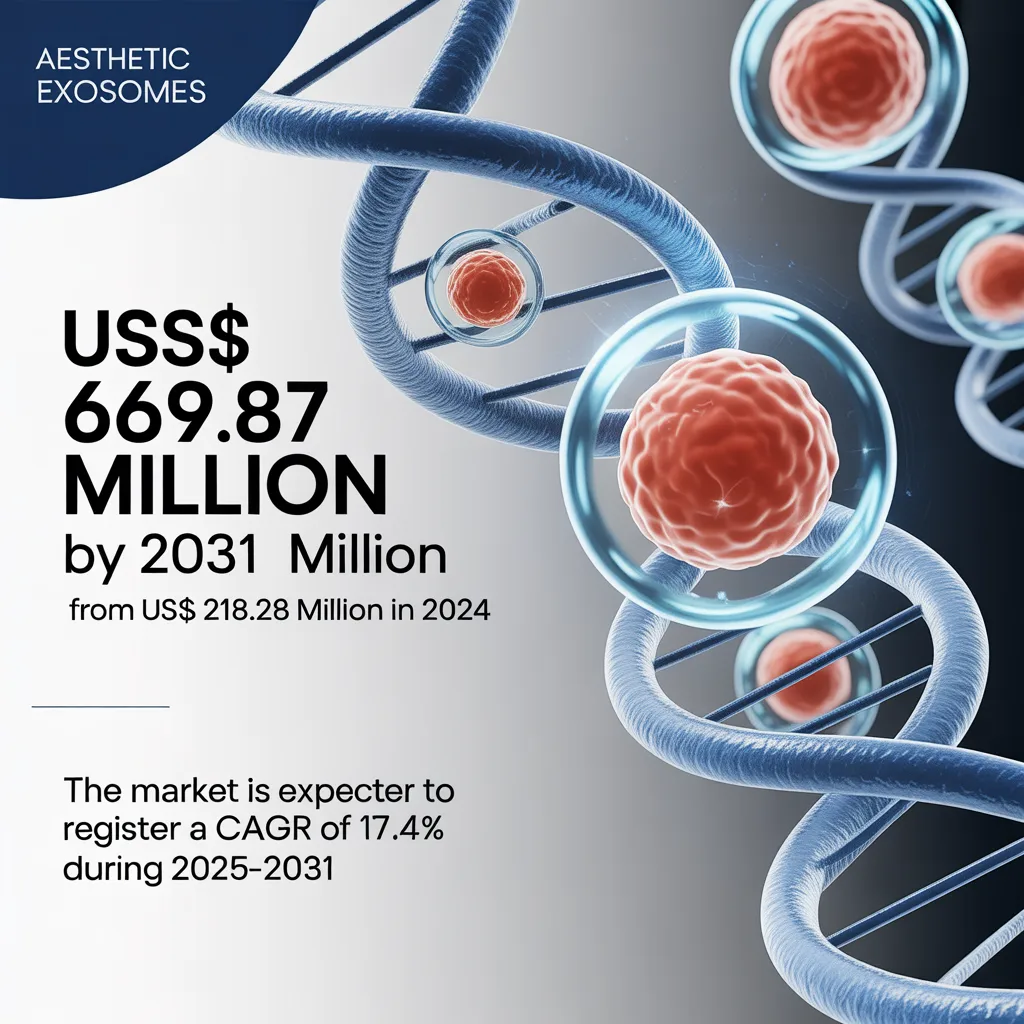
Introduction The aesthetic exosomes is rapidly expanding as demand for advanced regenerative treatments grows. The market is projected to grow significantly through 2031. Market Overview Exosomes enhance skin health by delivering growth factors and proteins that support tissue repair. They are used for rejuvenation, hair restoration, and recovery. The aesthetic exosomes market is becoming...
https://anandtraders1119.wixsite.com/engaging-insights-bl/post/expedia-issue-resolution-portal-1-866-855-0041 https://www.boycat.co/blogs/147798/Expedia-Issue-Resolution-Portal-1-866-855-0041 https://pastelink.net/m9c0lovj https://graph.org/Expedia-Issue-Resolution-Portal-1-866-855-0041-06-08 https://justpaste.it/ipokx https://ext-6978374.livejournal.com/6300.html

Understanding the Significance of Traditional Energization For centuries, spiritual items such as Karungali Mala, Rudraksha beads, Tulsi Mala, crystal malas, yantras, and sacred accessories have been valued not only for their craftsmanship but also for the rituals performed before they reach the user. In many spiritual traditions, these products undergo traditional energization processes before...

The USA antimicrobial packaging industry is experiencing strong growth as manufacturers focus on enhancing food safety, extending product shelf life, and reducing contamination risks. Rising consumer awareness regarding product hygiene, coupled with stringent food safety regulations, is driving the adoption of antimicrobial packaging solutions across food, beverage, healthcare, and...

If you’ve been struggling to gain distance or improve accuracy, the issue might not be your swing, it could be your shaft. Carbon fiber golf shafts are quickly becoming the go-to upgrade for golfers who want more power, better control, and a smoother feel. Thanks to new technology and smarter design, these shafts now rival and often outperform traditional big-brand options at a much lower...