


HACCP Certification
HACCP Certification: Ensuring Food Safety and Quality
Introduction to HACCP Certification
HACCP (Hazard Analysis and Critical Control Points) certification is an internationally recognized system designed to ensure food safety throughout the entire food supply chain. It focuses on identifying, evaluating, and controlling potential hazards that could compromise food safety. These hazards may be biological, chemical, or physical in nature. HACCP certification is widely adopted by food manufacturers, processors, distributors, and food service organizations to demonstrate their commitment to producing safe and high-quality food products.
Principles of the HACCP System
The HACCP system is based on seven core principles that form the foundation of an effective food safety management plan. These principles include conducting a hazard analysis, identifying critical control points, establishing critical limits, monitoring procedures, corrective actions, verification processes, and proper documentation. By applying these principles, organizations can systematically prevent food safety risks rather than relying solely on end-product testing.
Importance of HACCP Certification
HACCP certification plays a vital role in protecting public health and building consumer trust. It helps organizations comply with national and international food safety regulations while reducing the risk of foodborne illnesses. Certification also enhances a company’s reputation, improves operational efficiency, and minimizes costly product recalls. For businesses involved in food export, HACCP certification is often a mandatory requirement to access global markets.
HACCP Certification Process
The process of obtaining HACCP certification involves several structured steps. Organizations must first develop and implement a HACCP plan tailored to their operations. This includes staff training, hazard identification, and establishing control measures. An accredited certification body then conducts an audit to evaluate compliance with HACCP standards. If the organization meets all requirements, certification is granted, followed by periodic surveillance audits to ensure ongoing compliance.
Benefits for Food Businesses
HACCP certification offers numerous benefits for food businesses of all sizes. It promotes a proactive approach to food safety, reduces waste, and improves overall process control. Employees become more aware of food safety responsibilities, leading to better hygiene practices and consistency. Additionally, certified businesses often gain a competitive advantage, as customers and partners prefer working with organizations that prioritize food safety.
Conclusion
HACCP certification is a critical tool for ensuring food safety, regulatory compliance, and consumer confidence. By adopting the HACCP system, food businesses can effectively manage risks, enhance product quality, and strengthen their position in the global food industry.
الأقسام
إقرأ المزيد
Are you feeling bored and uninspired on a dull evening in Pune? It's time to spice things up. Enter the world of Pune escorts, where excitement meets seduction. These stunning companions are here to elevate your experience, turning an ordinary night into something thrilling and unforgettable. With their charm and allure, Pune female escorts bring passion right to your doorstep. Whether you're...

Finding the right job can be challenging, especially in a competitive employment market. Whether you're seeking temporary work, permanent employment, or a specialised role within logistics, warehousing, or printing industries, partnering with a trusted recruitment agency can significantly improve your chances of success. If you're searching for a reliable job agency Stratford London, Dockside...

A rundown of the biggest WhatsApp AI automation changes in 2026 - from Meta's global Business Agent to new pricing, pacing, and carousel templates. WhatsApp AI automation looks meaningfully different in 2026 than it did even a year ago. The short answer to what changed: Meta rolled its own AI agent out worldwide, introduced a separate pricing category for AI-initiated chats, replaced bulk...

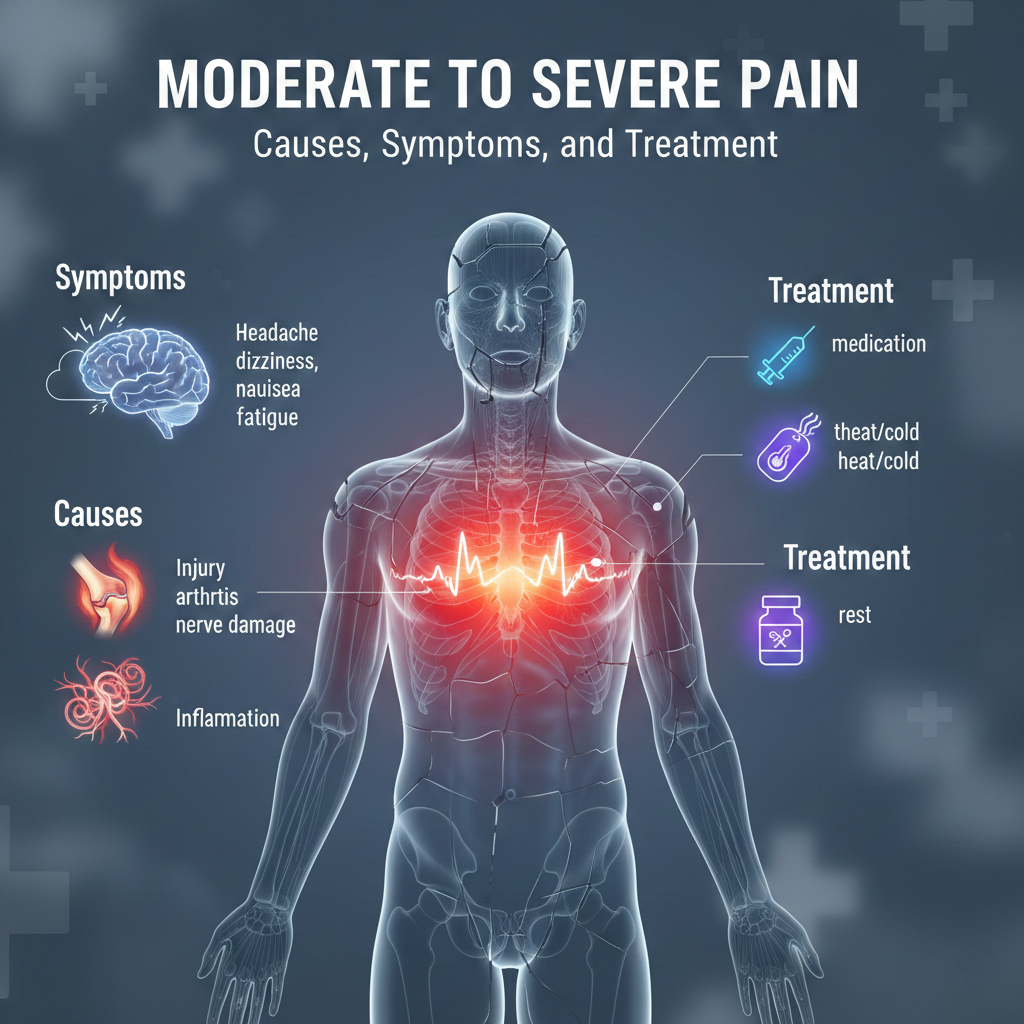
Pain can affect your daily life, mood, and productivity. Moderate to severe pain can make it hard to work, sleep, or enjoy normal activities. Whether pain comes from injury, surgery, nerve damage, or chronic conditions, safe treatment is important. This guide explains how to treat moderate to severe pain safely using medications, lifestyle changes, and medical therapies. We also share practical...
According to a new report from Intel Market Research, the global Poly(propylene carbonate) (PPC) Resin Market was valued at USD 241 million in 2024 and is projected to grow from USD 258 million in 2025 to USD 376 million by 2031, exhibiting a robust CAGR of 6.7% during the forecast period. Growth is driven by increasing environmental regulations promoting biodegradable plastics, expanding...
