


Why Fire Protection Equipment Is Quietly Working in the Background
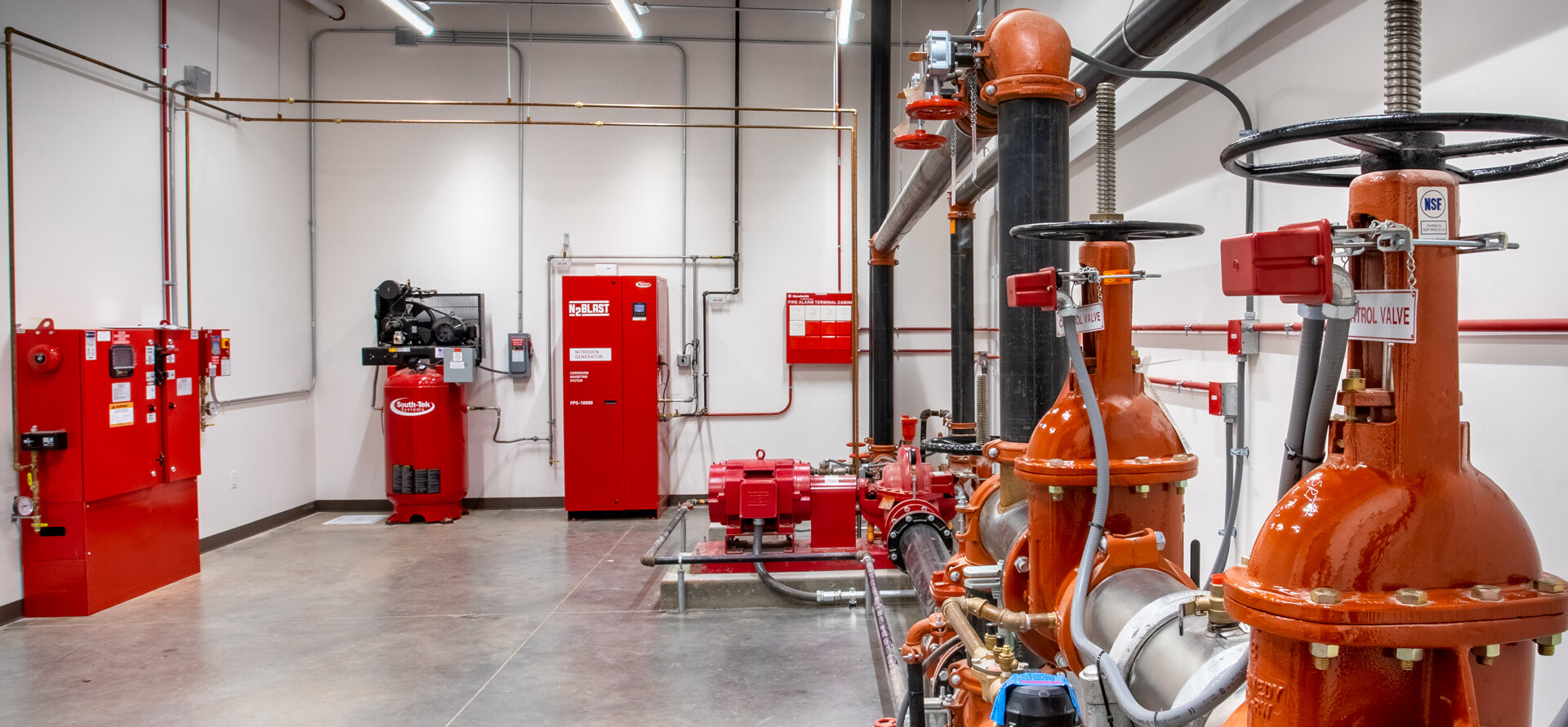
Most people walk past fire extinguishers, alarms, and exit signs every day without giving them much thought. That’s a good thing it usually means nothing has gone wrong. But in the rare moments when fire does break out, fire protection equipment becomes the difference between a close call and a serious emergency.
Fire safety often lives in the background of daily operations, quietly doing its job. The goal is simple: be ready without disruption.
When the Unexpected Happens
Fires don’t follow schedules. They can start from faulty wiring, overheated equipment, or simple human error. In those moments, there’s no time to search for solutions. The systems already in place are the ones that matter.
Early alarms alert people to danger. Clear exit paths help them leave safely. Suppression systems slow or stop the spread until responders arrive. Each piece of fire protection equipment plays a role in those first critical minutes.
The Equipment You Walk Past Every Day
Fire protection isn’t always obvious. Much of it blends into the building’s design sprinkler heads, alarms, emergency lights, and extinguishers quietly waiting to be used.
Because these systems are so familiar, it’s easy to forget their importance. But their visibility and accessibility are intentional. In an emergency, familiarity helps people react faster and with less confusion.
Why Readiness Matters More Than Perfection
No fire protection system can eliminate risk entirely. What it can do is reduce the impact of an emergency. Proper equipment buys time, limits damage, and creates safer conditions for evacuation.
That readiness depends on two things: having the right equipment and making sure it works. Systems that look fine but haven’t been inspected or tested may not respond when needed. Reliability is what turns equipment into protection.
Fire Protection in Busy Environments
In active workplaces factories, warehouses, retail stores, or schools fire risks can change throughout the day. Equipment is used, spaces are rearranged, and people come and go.
Fire Protection Equipment is designed to operate consistently, even in these dynamic environments. That’s why proper placement and regular checks are so important. Equipment should remain accessible, visible, and ready at all times.
Maintenance Is a Quiet Form of Prevention
Maintenance doesn’t get much attention, but it’s one of the most important parts of fire protection. Regular inspections help ensure extinguishers are charged, alarms are responsive, and systems meet safety standards.
This behind-the-scenes work prevents small issues from turning into major failures. It’s also a practical way to stay aligned with safety regulations without last-minute surprises.
People Are Part of the System
Even the best fire protection equipment depends on people knowing how to respond. When employees understand alarms, exits, and basic fire safety procedures, response becomes quicker and more organized.
Training doesn’t need to be complicated. Simple awareness knowing where exits are or when to use an extinguisher can significantly improve safety outcomes.
Prepared Without Being Alarmed
Fire protection equipment exists for rare moments, but its presence allows everyday life to continue without worry. When systems are installed, maintained, and understood, they provide confidence rather than concern.
Preparedness doesn’t mean expecting something bad to happen. It means knowing that if it does, you’re not starting from zero.
A Quiet Layer of Protection
Most days, fire protection equipment does nothing at all and that’s exactly the point. Its value isn’t measured by how often it’s used, but by how well it works when it’s needed.
By treating fire protection as a continuous responsibility rather than a one-time task, businesses and property owners create safer spaces for everyone inside.
📍 Visit: Fire Protection Equipment Co, 2020 Broadway St NE ste 100, Minneapolis, MN 55413
📞 Call: (800) 450-2885
الأقسام
إقرأ المزيد
Naphthenic base oil market will grow at a rate of 5.45% for the forecast period of 2021 to 2028. Increase in the adoption of hybrid and electric vehicle acts as a vital factor driving the growth of naphthenic base oil market. The global business landscape is undergoing a transformation, with industries increasingly leaning on deep research and actionable insights to make strategic...

The Street Light Shade Market is expanding due to growing urbanization and increasing investments in smart city infrastructure projects. Street light shades help improve light distribution, enhance energy efficiency, and protect lighting systems from environmental damage. The rising adoption of LED street lighting solutions is a major market driver. However, fluctuations in raw material prices...
The digital economy is expanding rapidly, and the demand for reliable, high-speed communication infrastructure has never been greater. At the heart of this transformation are fiber optic components, which serve as the building blocks of modern networking systems. From telecommunications and cloud computing to smart cities and industrial automation, these technologies are enabling faster...

In today’s fast-growing digital gaming world, tirangagame has emerged as a popular platform among users looking for entertainment, rewards, and engaging gameplay. Whether you are a beginner or an experienced gamer, understanding how tirangagame works can help you make the most of its features. This comprehensive guide will walk you through everything you need to know about tirangagame,...

According to the latest report published by Data Bridge Market Research, the Europe Polyglycerol Market The Europe polyglycerol market is growing with a CAGR of 5.3% in the forecast period of 2022 to 2029 and is expected to reach USD 1,095.33 million by 2029. This Europe Polyglycerol Market document encompasses several market aspects such as market estimates and forecasts,...
