


Best Time to Travel to China: A Complete Seasonal Guide for an Unforgettable Journey
Planning a journey to one of the world’s most fascinating destinations begins with understanding the best time to travel to China. This vast country stretches across multiple climate zones, cultures, landscapes, and traditions, meaning that timing can completely shape your experience. From ancient cities and imperial palaces to dramatic mountains, modern skylines, rural villages, and colorful festivals, China offers something remarkable in every season. Knowing when to go allows travelers to align weather, scenery, events, and local atmosphere with their personal travel style.
China’s size means that no single month feels the same across all regions. Northern areas experience cold winters and warm summers, while southern regions remain milder and greener for much of the year. Western China brings deserts and high-altitude plateaus, while the east features bustling coastal cities and fertile river valleys. Understanding these regional patterns is essential when choosing the best time to travel to China, whether the goal is sightseeing, photography, cultural exploration, nature travel, or city adventures.
Understanding China’s Climate and Seasons
China generally experiences four distinct seasons: spring, summer, autumn, and winter. However, these seasons vary significantly depending on location. In Beijing and northern China, winters are cold and dry, while summers are hot and humid. In southern cities such as Guangzhou and Shenzhen, winters are mild, and summers can be long and tropical. Western regions like Tibet and Xinjiang are shaped by altitude and desert conditions, creating sharp temperature changes between day and night.
When evaluating the best time to travel to China, it is important to think beyond national averages and focus on the specific destinations you want to visit. A traveler interested in historic capitals, scenic mountains, or coastal cities may prefer different months compared to someone planning a river cruise or cultural festival tour.
Spring in China: March to May
Spring is widely considered one of the most appealing seasons and often highlighted as the best time to travel to China. During these months, temperatures begin to rise, landscapes turn green, and flowers bloom across the country. Cities like Beijing, Xi’an, and Shanghai enjoy comfortable weather that supports long days of walking and sightseeing.
In northern China, spring brings clear skies and pleasant daytime temperatures. Iconic sites such as the Great Wall, the Forbidden City, and the Summer Palace are especially atmospheric during this period. In central and eastern China, cherry blossoms, peach flowers, and rapeseed fields transform parks and countryside areas into vibrant scenes.
Southern China experiences warm, sometimes slightly rainy conditions in spring, but the lush greenery and blooming gardens create stunning scenery. Places like Guilin, famous for its karst mountains, appear particularly dramatic with mist and fresh vegetation. For travelers seeking balanced weather, natural beauty, and cultural discovery, spring consistently ranks as a strong candidate for the best time to travel to China.
Summer in China: June to August
Summer in China is dynamic, energetic, and full of life. While temperatures can be high, especially in major cities, this season remains attractive for travelers interested in festivals, highland regions, and coastal escapes. The best time to travel to China during summer often depends on choosing the right destinations.
Northern and western regions, including Inner Mongolia, Qinghai, and parts of Xinjiang, enjoy more moderate temperatures during summer. These areas offer open landscapes, grasslands, deserts, and mountain views that are most accessible during this season. Tibet also becomes more welcoming in summer, with clearer roads and relatively stable conditions.
Southern China sees warmer temperatures and occasional rainfall, but this also means powerful rivers, lush forests, and dramatic waterfalls. Summer is ideal for river cruises along the Yangtze, where travelers can witness China’s engineering achievements and breathtaking gorges. Coastal cities and islands provide opportunities for relaxation and sea breezes.
Despite the heat, summer remains an exciting period filled with local activities, student vacations, and vibrant nightlife. For those who enjoy a lively atmosphere and diverse regional travel, summer can still align with the best time to travel to China when planned thoughtfully.
Autumn in China: September to November
Autumn is frequently described as the most rewarding season and is often regarded as the ultimate best time to travel to China. The weather is generally mild, skies are clearer, and humidity decreases across much of the country. This season brings a sense of calm and visual beauty that enhances both urban and rural travel.
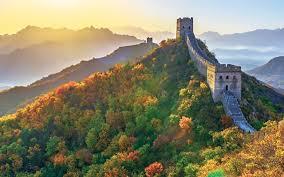
In northern China, autumn showcases golden leaves, crisp air, and stunning mountain scenery. The Great Wall, framed by autumn foliage, becomes particularly photogenic. Central China offers harvest scenes, colorful countryside views, and pleasant temperatures for exploration.
Southern regions enjoy warm days and cooler evenings, making cities like Hong Kong, Guangzhou, and Kunming especially comfortable. In southwestern China, rice terraces glow in shades of gold and amber, creating unforgettable landscapes for photography and cultural immersion.
Autumn also aligns with several traditional celebrations, offering insight into Chinese customs and seasonal rhythms. With its balance of comfort, color, and cultural richness, autumn consistently stands out as a prime answer to the question of the best time to travel to China.
Winter in China: December to February
Winter presents a quieter and more atmospheric side of China. While temperatures drop significantly in the north, this season offers unique experiences that appeal to travelers seeking contrast and authenticity. In southern China, winters remain relatively mild, allowing for comfortable exploration without heavy crowds.
Northern cities like Harbin become winter wonderlands, famous for ice and snow sculptures that transform urban spaces into glowing art installations. Beijing in winter reveals a calm, reflective charm, with historic sites dusted in snow and a slower pace of travel.
Western China offers clear skies and dramatic desert landscapes during winter months. The cold air enhances visibility, making it an appealing time for photography and exploration of remote regions. Winter can still represent the best time to travel to China for travelers drawn to seasonal festivals, snow-covered scenery, and cultural depth.
Regional Considerations for the Best Time to Travel to China
China’s diversity means that the best time to travel to China often depends on the specific region:
-
Northern China: Spring and autumn offer the most comfortable conditions for sightseeing and cultural exploration.
-
Southern China: Autumn and winter provide pleasant weather, while spring adds lush greenery.
-
Western China: Summer and early autumn are ideal for accessibility and comfortable travel.
-
Eastern Coastal Cities: Spring and autumn combine mild weather with vibrant city life.
By matching destinations with seasonal conditions, travelers can shape a journey that feels both smooth and inspiring.
Festivals and Cultural Atmosphere
China’s calendar is filled with traditional festivals that influence travel experiences. Spring festivals bring family gatherings, lantern displays, and lively markets. Summer festivals reflect regional traditions, music, and local cuisine. Autumn celebrations emphasize harvest themes and moonlit gatherings. Winter festivals showcase ice, snow, and seasonal customs.
Aligning travel plans with these moments enhances cultural understanding and adds emotional depth to the journey. For many visitors, festival periods help define the best time to travel to China, as they offer authentic insight into local life.
Scenic Highlights Across the Year
Every season reveals a different visual character. Spring introduces blossoms and fresh landscapes. Summer highlights rivers, forests, and highland meadows. Autumn paints mountains and fields with warm tones. Winter delivers snow-covered landmarks and serene cityscapes.
Photographers, nature lovers, and cultural travelers all find their own version of the best time to travel to China based on these changing scenes.
Travel Planning and Personal Preferences
Choosing the best time to travel to China also depends on personal interests. Some travelers prioritize mild weather and scenic beauty, while others seek cultural immersion, seasonal events, or dramatic landscapes. City explorers may enjoy spring and autumn, while adventure travelers may favor summer in western regions or winter experiences in the north.
China’s infrastructure supports year-round travel, making it possible to tailor itineraries according to season, comfort level, and travel goals.
A Year-Round Destination with Endless Possibilities
China remains a destination that continuously transforms throughout the year. Each season carries its own atmosphere, traditions, and visual identity. Understanding seasonal differences allows travelers to design meaningful journeys that go beyond standard sightseeing.
Whether drawn by blooming gardens, golden rice fields, snow-covered palaces, or lively summer streets, the best time to travel to China ultimately reflects how and where you wish to experience this extraordinary country.
Categorii
Citeste mai mult
Contemporary paintings in Pakistan represent a dynamic blend of tradition, modern expression, and global influence. Over the past few decades, Pakistani contemporary art has gained international recognition for its conceptual depth, vibrant color palettes, and socio-political narratives. From bustling urban centers like Lahore and Karachi to international exhibitions, contemporary...

Global Active Phased Array TR (Transmit-Receive) Module Market is experiencing rapid expansion, driven by technological innovation and increasing defense and aerospace investments. The market size was valued at USD 4,181 million in 2023 and is projected to reach USD 9,775.47 million by 2030, exhibiting an impressive CAGR of 12.90% during the forecast period. Active...

Recommended Kodi Movie & TV Addons If you use Kodi to watch movies and TV, this compact guide highlights a hand-picked group of reliable addons you’ll want to try. There are hundreds of movie and TV addons available, covering every genre imaginable, but only a fraction are worth installing. Official addons generally offer the best, trouble-free experience and avoid legal and...

The Global Fire-Resistant Coatings Market, valued at USD 1,079.4 million in 2023, is projected to reach USD 1,478.8 million by 2032, expanding at a compound annual growth rate (CAGR) of 3.6% during the forecast period 2024–2032. The market’s growth is propelled by increasing awareness of fire safety, expanding construction activities, and the implementation of stringent...

In today’s fast-paced world, many people struggle with slow metabolism, stubborn fat, and low energy levels. This is where natural weight loss supplements like ProZenith are gaining attention. If you’re searching for genuine ProZenith reviews, you’re likely wondering whether this supplement can truly support metabolism and help with weight management. In this detailed blog, we...
