Do LED Face Masks Really Work? A Deep Dive into Light Therapy for Skin

If you've spent any time on TikTok skincare or scrolled through your favorite beauty forums lately, you've probably seen someone glowing under a mask covered in tiny red and blue lights, looking like they just stepped off a sci-fi movie set. It's a strange sight the first time you see it — and an even stranger question follows right behind it: does this thing actually do anything, or is it just an expensive way to look like a robot for ten minutes a day?
It's a fair question. The skincare industry is full of gadgets that promise the world and deliver very little. So let's actually dig into what LED face masks are, what the science says, who they help, and how to know if one is worth adding to your routine.
What Exactly Is an LED Face Mask?
At its core, an LED face mask is a wearable device fitted with small light-emitting diodes that sit close to your skin and expose it to specific wavelengths of light. Unlike a laser, LED light doesn't cut, burn, or ablate anything. It's non-invasive, painless, and — for most people — genuinely relaxing to use.
The masks typically come in a few different color settings, and each color does something different because each wavelength penetrates the skin at a different depth and triggers a different biological response.
-
Red light (roughly 620–700nm) penetrates deeper into the dermis and is mainly associated with collagen stimulation, reduced fine lines, and calming inflammation.
-
Blue light (roughly 405–420nm) stays closer to the skin's surface and targets the bacteria (specifically C. acnes) that contribute to breakouts.
-
Near-infrared light goes even deeper than red light and is often linked to tissue repair, circulation, and healing support.
-
Some masks also include amber, green, or purple settings aimed at pigmentation, redness, or a combination of red-and-blue benefits.
If you're comparing options, it helps to look at a full range of LED Face Masks side by side, since the wavelength combinations and light density (how many LEDs are actually packed into the mask) vary a lot between models — and that difference matters more than most marketing pages let on.
The Science: Where This Technology Actually Comes From
Here's something that surprises a lot of people: LED light therapy wasn't invented for skincare. It was originally researched by NASA in the 1990s to help astronauts' wounds heal faster in space, where normal healing processes slow down due to the lack of gravity and sunlight exposure. Around the same time, dermatologists began noticing that the same wavelengths used in wound-healing studies also seemed to improve skin texture and reduce inflammation.
Since then, red and near-infrared light therapy has been studied fairly extensively in dermatology, and the mechanism it works through has a name: photobiomodulation. In plain terms, specific wavelengths of light are absorbed by mitochondria — the energy-producing structures inside your cells — which boosts a molecule called ATP. More cellular energy generally means better function: faster repair, more efficient collagen production, and a calmer inflammatory response.
This isn't a fringe theory. Photobiomodulation is used clinically for things like wound healing, hair regrowth, and reducing inflammation after certain skin procedures. The skincare application is really just a lower-intensity, at-home version of the same principle.
So, Do They Actually Work?
The honest answer is: yes, for many people, but with real caveats.
What the evidence supports fairly well:
-
Improved skin texture and a more even tone with consistent use over several weeks
-
A modest boost in collagen density, which can soften fine lines over time
-
Reduced redness and calmer-looking skin, especially for people with rosacea-prone or reactive skin
-
Fewer active breakouts when blue light is used consistently, since it targets acne-causing bacteria at the surface
What it won't do:
-
It won't erase deep wrinkles or sagging skin the way a cosmetic procedure might
-
It won't replace sunscreen, retinoids, or a proper skincare routine — it works best as an addition, not a substitute
-
It won't produce results overnight. This is a cumulative therapy, not a one-time fix
Think of it less like a magic wand and more like consistent exercise for your skin cells. One session won't transform anything. Ten or twenty sessions, spread over a few weeks, is where people typically start noticing a difference.
Who Actually Benefits Most From LED Masks?
Not every skin concern responds the same way, so it's worth being specific:
-
People dealing with occasional breakouts tend to see the fastest, most noticeable results from blue light settings, since bacteria respond quickly to that wavelength.
-
People concerned with early signs of aging — fine lines, dullness, loss of bounce — usually benefit most from red and near-infrared settings used consistently over 8–12 weeks.
-
People with sensitive, reactive, or post-procedure skin often find red light genuinely soothing, since it has a calming, anti-inflammatory effect rather than an aggressive one.
-
People who've had in-office treatments like microneedling or peels sometimes use LED therapy afterward specifically because it's gentle enough not to irritate healing skin further.
If you fall into more than one of these categories, a mask with multiple wavelength settings will generally serve you better than a single-color device, since you can adjust the treatment to what your skin needs on a given day.
How to Actually Use One (Without Wasting Your Money)
A lot of people buy an LED mask, use it three times, and then let it sit in a drawer — not because it doesn't work, but because they never used it consistently enough to see results. A few things make a real difference:
-
Cleanse your face first. Light needs to reach your skin directly; makeup, sunscreen, and heavy serums can block or scatter it.
-
Stick to a schedule. Three to five sessions a week, 10–20 minutes each, is the range most consistently associated with visible results.
-
Give it real time. Collagen remodeling isn't instant. Most people need 6–12 weeks before they can honestly evaluate whether it's working.
-
Follow with your regular skincare. LED therapy tends to boost absorption of what you apply afterward, so serums and moisturizers applied post-session often work a little harder.
-
Protect your eyes. Most quality masks include eye protection built in or included separately — don't skip it, especially with brighter red or blue settings.
What to Look for Before Buying One
Not all LED masks are created equal, and the price range on the market (anywhere from budget devices to genuinely clinical-grade ones) reflects real differences in build quality. A few things worth checking before you buy:
-
LED count and density — more diodes generally means more even coverage and stronger, more consistent dosing across your whole face.
-
Wavelength accuracy — cheaper devices sometimes mislabel their wavelengths or use a narrower, less effective range.
-
FDA clearance or similar safety certification — this doesn't guarantee dramatic results, but it does mean the device has been tested for basic safety standards.
-
Comfort and fit — silicone, flexible masks tend to sit closer to the skin than rigid plastic ones, which actually matters for how effectively the light penetrates.
If you want to skip the guesswork, the LED Light Therapy Face Mask is a solid example of a mask built with higher LED density and multiple wavelength settings in one device, which makes it easier to target more than one concern without buying separate gadgets.
Common Questions People Actually Ask
Is LED light therapy safe for daily use?
Generally yes. Unlike UV light, red and near-infrared wavelengths used in these masks aren't associated with the skin damage caused by sun exposure. Most dermatology guidance supports daily or near-daily use within recommended session lengths.
How long until I see results?
Most people report early changes — slightly calmer, more even-looking skin — within 2–4 weeks. More noticeable changes in texture and fine lines usually take 8–12 weeks of consistent use.
Can I use LED therapy with retinol or other activities?
Yes, and many people find the combination works well, since LED therapy can help calm irritation that retinol sometimes causes. It's generally best to apply retinol after your LED session rather than before, to avoid any photosensitivity concerns.
Do LED masks hurt?
No. There's no heat, no stinging, and no downtime. Most users describe it as a warm, mildly relaxing sensation, if anything at all.
Is a more expensive mask always better?
Not necessarily, but very cheap masks often cut corners on LED count and wavelength accuracy, which directly affects results. It's worth prioritizing verified wavelength specs over price alone.
The Bottom Line
LED face masks aren't a scam, and they're not a miracle either — they sit somewhere in the middle, which is exactly where most genuinely useful skincare tools live. The technology has real clinical roots, the mechanism is well understood, and the results, while gradual, are backed by a reasonable body of research. What it comes down to is consistency, choosing a device with solid specs, and setting realistic expectations for a therapy that works with your skin's own repair processes rather than against them.
If you're curious about trying one, it's worth spending a few minutes comparing options rather than grabbing the first one that shows up in your feed — the differences in build quality and wavelength range are where the real results (or lack of them) actually come from.
Categories
Read More
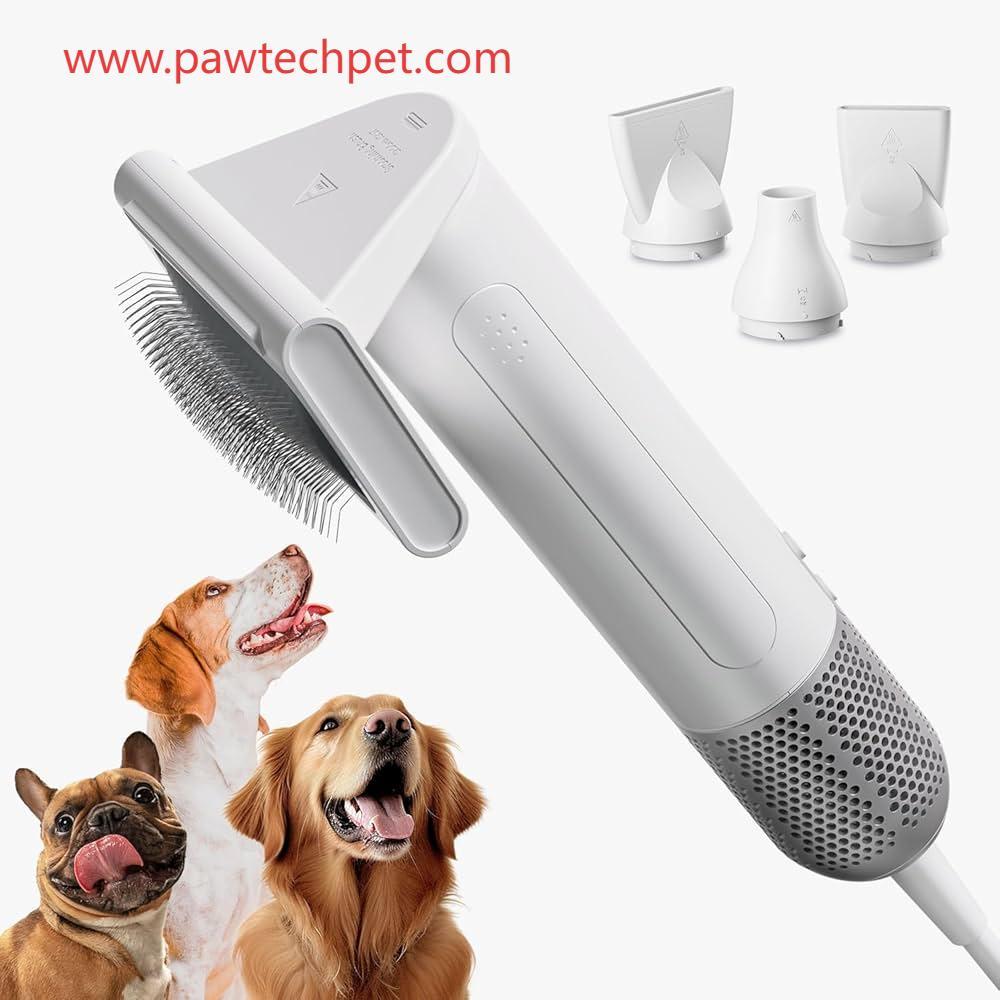
Pawtechpet presents the Pet Dryer, designed to make pet grooming a stress-free experience. Combining airflow control, gentle warmth, and quiet operation, it ensures pets dry quickly without discomfort. This device allows owners to maintain hygiene efficiently while keeping pets calm and relaxed. Traditional drying methods often cause anxiety for pets. Towels alone are slow, and noisy tools can...
Tired of conceding cheap penalty goals and losing ranked matches in FC 26? Wishing there was a foolproof way to stop opponent penalties without god-tier reflexes? Most players waste matches relying on random guesses and rushed dives, yet a single easy tactic can skyrocket your save rate instantly. Mastering this skill not only wins tight shootouts but also helps you grind more wins and earn...

Making Hortonworks HDPCD Exam Study Simple and Stress-Free Preparing for the Hortonworks HDPCD exam does not have to feel stressful or confusing. Many students struggle because they study too much without a clear plan. They read many resources but still feel unsure about what really matters for the exam. Choosing clear and trusted Hortonworks HDPCD study material makes preparation simple,...

It's simple to go through days on autopilot in a world that hardly ever slows down—reacting, hurrying, and continuously pursuing the next activity. A MEM Check In can help with that. This straightforward exercise, which stands for Mind, Emotion, and Movement, provides an organized break to re-establish a connection with yourself. It doesn't need hours, sophisticated equipment, or a...

Pyrolysis Oil Market : According to the latest report published by Data Bridge Market Research, the Pyrolysis Oil Market There has been rising environmental concerns and rapid depletion of fossil fuel supplies due to which the energy sector is progressively shifting toward a more sustainable and efficient path. Pyrolysis oil has the potential to be a viable alternative to diesel in...