


What Design Factors Shape Commercial Dock Fender Systems?
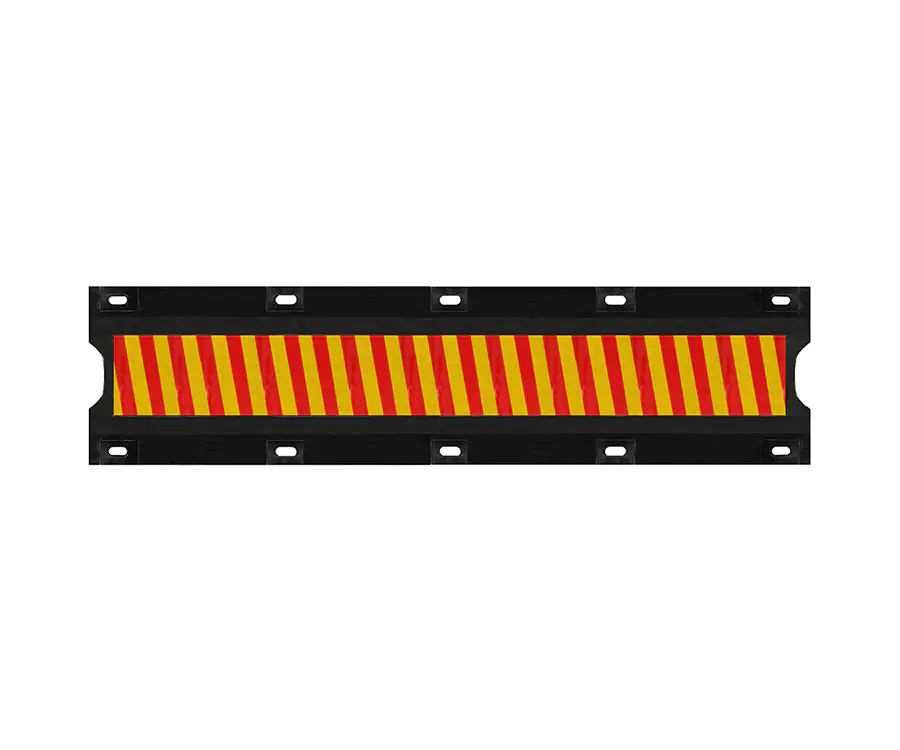
Commercial Dock Fenders are a fundamental component of port and harbor infrastructure, designed to reduce impact forces when vessels berth alongside docks. As ships vary in size, speed, and docking frequency, fender systems must absorb energy while protecting both the vessel hull and the dock structure. Their role extends across container terminals, bulk cargo ports, marinas, and industrial waterfront facilities.
The basic function of Commercial Dock Fenders is to act as a buffer between moving vessels and fixed structures. When a ship approaches a berth, kinetic energy is transferred to the fender system. The fender compresses or deflects, reducing direct stress on concrete, steel pilings, and ship hulls. This controlled absorption helps limit structural damage and supports safer docking operations.
Design considerations are central to effective fender performance. In planning Commercial Dock Fenders, engineers evaluate vessel size, berthing angle, tidal variation, and docking frequency. These factors influence the choice of fender type, such as rubber cell fenders, cone fenders, or cylindrical designs. Each configuration offers different energy absorption and reaction force characteristics, allowing systems to be matched to specific operating conditions.
Material selection also plays an important role. Commercial Dock Fenders are commonly manufactured from rubber compounds formulated to withstand repeated compression, weather exposure, and contact with seawater. Steel panels, chains, and anchor systems are often integrated to distribute load and guide vessel contact. The combination of materials must support long service life while remaining practical to install and maintain.
Installation methods vary depending on dock layout and environmental conditions. For Commercial Dock Fenders, accurate positioning is essential to ensure vessels contact the fender rather than the dock face. Installation may involve bolting systems directly to quay walls, mounting them on steel frames, or suspending them with chains. Proper alignment helps maintain consistent performance across different water levels and vessel drafts.
Maintenance is another key consideration for port operators. Over time, Commercial Dock Fenders are exposed to constant mechanical stress, ultraviolet radiation, and marine growth. Regular inspection helps identify surface wear, deformation, or hardware corrosion. Replacing worn components in a timely manner supports continued protection and helps avoid higher repair costs to docks or vessels.
Customization is often required to meet site-specific demands. Ports handling mixed traffic may require different Commercial Dock Fenders along the same berth, depending on vessel size and docking patterns. Fender spacing, panel size, and mounting hardware can be adjusted to suit operational needs. This tailored approach supports efficient port operations without excessive structural modification.
Environmental and operational factors also influence system planning. In areas with strong currents or waves, Commercial Dock Fenders must manage dynamic loads rather than static contact alone. Cold climates, high salinity, or heavy sediment can affect material behavior over time. Considering these conditions during design and material selection helps support reliable long-term use.
As global shipping and waterfront development continue, the demand for well-designed Commercial Dock Fenders remains steady. Ports aim to improve safety, reduce maintenance disruptions, and support efficient vessel turnaround. Through careful engineering, appropriate material choice, and regular upkeep, dock fender systems continue to play a practical role in protecting infrastructure and supporting daily marine operations.
In this way, Commercial Dock Fenders serve as a quiet but essential element of maritime logistics, bridging the interaction between large moving vessels and fixed port structures while supporting safe and consistent harbor activity.
https://www.zhhatrte.com/product/pier-anti-collision-fender/
Categorii
Citeste mai mult
In College Football 26 Coins, mastering the short-yardage game is essential for sustaining drives and converting crucial downs. Short-yard situations—typically defined as 1–3 yards to gain—require precision, timing, and strategic playcalling. Whether you're on the goal line or trying to maintain possession in the fourth quarter, understanding how to run an effective short-yard...

The modern corporate landscape has shifted away from traditional, desk-bound operations. With companies embracing distributed workforces, maintaining a seamless digital infrastructure has become a complex challenge. To stay competitive, modern organizations are moving away from traditional on-site maintenance models and adopting comprehensive remote IT services to handle their technical needs....

Shanghai, one of the most dynamic cities in the world, is often described as a place where tradition and modernity coexist in a delicate balance. Among the many symbols of this coexistence, the humble cab stands out as both a practical necessity and a cultural marker. The story of the Shanghai cab is not just about transportation; it is about the rhythm of urban life, the transformation of a...

According to the latest report published by Data Bridge Market Research, the Battery Energy Storage System Market The global battery energy storage system market is expected to reach USD 492.91 billion by 2032 from USD 138.49 billion in 2024, growing with a substantial CAGR of 17.30% in the forecast period of 2025 to 2032. The reliable Battery Energy Storage System Market report is...
https://pastelink.net/gzv1dluj