


Gluta Drip and Skin Whitening: Medical Perspective
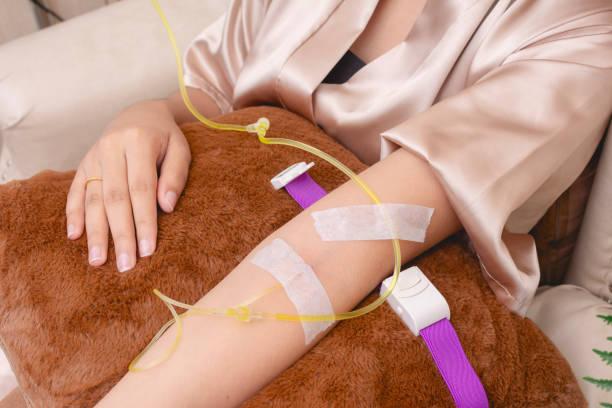
The use of Gluta Drip IV therapy for skin whitening has garnered significant attention, particularly in aesthetic clinics and wellness centers. Glutathione, the main active ingredient in the drip, is widely recognized for its skin-brightening properties. However, the term "skin whitening" can be controversial, as it can imply that people are trying to lighten their skin tone in a way that may promote harmful beauty standards.
From a medical perspective, it's important to differentiate between skin lightening, whitening, and brightening, as well as to understand the mechanisms behind glutathione’s effects on the skin, its safety profile, and its potential long-term impact on skin health.
1. What Is Glutathione, and How Does It Affect the Skin?
Glutathione is a naturally occurring antioxidant that is produced in the liver and found in every cell of the body. It plays a critical role in protecting cells from oxidative stress and free radical damage, which can contribute to the aging process, skin damage, and other health issues.
-
Antioxidant Action: Glutathione neutralizes free radicals and reactive oxygen species (ROS) that can damage skin cells, leading to hyperpigmentation, wrinkles, and uneven skin tone.
-
Melanin Inhibition: Glutathione has been shown to reduce melanin production in the skin. Melanin is the pigment responsible for skin color, and when its production is reduced, the skin may become lighter or brighter. This is why Gluta Drips are sometimes used for skin whitening or brightening treatments.
-
Reduction in Hyperpigmentation: For those with issues like dark spots, melasma, or age spots, glutathione may help to even out the skin tone by reducing the amount of melanin in these areas.
2. How Does Gluta Drip IV Therapy Work for Skin Whitening?
The Gluta Drip IV therapy delivers a direct infusion of glutathione into the bloodstream, which is then distributed throughout the body, including the skin. This method allows for rapid absorption and higher bioavailability compared to oral supplements, as the substance bypasses the digestive system.
Here’s how the process works from a medical standpoint:
-
Glutathione Absorption: Once administered intravenously, glutathione travels through the bloodstream and works to reduce oxidative stress and inflammation in skin cells. Over time, it reduces the activity of tyrosinase, the enzyme responsible for melanin production, leading to lighter, more even skin tone.
-
Effect on Skin Color: The skin appears brighter because glutathione inhibits the synthesis of melanin, which causes the skin to lighten. While it does not alter the natural pigmentation of the skin drastically, it can result in a healthier, more radiant complexion. For those with hyperpigmentation, it can fade dark spots and reduce discoloration.
-
Additional Skin Benefits: Besides its whitening effects, glutathione also helps detoxify the skin by eliminating toxins and supporting the liver’s natural detoxification processes. This can contribute to clearer, more radiant skin by addressing underlying inflammation and toxin buildup.
3. Medical Safety and Efficacy of Gluta Drips for Skin Whitening
While the use of Gluta Drips for skin whitening is widely popular in aesthetic clinics, it’s important to consider medical safety and efficacy:
A. Safety Concerns
-
Short-Term Safety: For most people, Gluta Drips are generally safe when administered by trained medical professionals. The procedure itself is minimally invasive, and the most common side effects are mild, such as slight discomfort at the injection site or dizziness.
-
Long-Term Effects: The long-term safety of intravenous glutathione therapy is still not fully understood, especially when used regularly for skin whitening purposes. While glutathione is a natural substance, excessive use could lead to unintended consequences, such as altered melanin production or disruptions in other antioxidant levels in the body.
-
Potential Risks: There are concerns about intravenous therapies in general, particularly regarding the risk of infection, blood clots, or infiltration (when the IV fluid leaks into surrounding tissue). Additionally, as with any treatment, individuals may experience allergic reactions to glutathione or other components of the IV solution.
-
Pregnancy and Breastfeeding: The safety of Gluta Drip therapy during pregnancy and breastfeeding has not been fully established, so it is typically advised to avoid this treatment during these periods unless specifically recommended by a healthcare provider.
B. Efficacy and Results
-
Immediate Results: Some people report immediate improvement in skin brightness after a single session, often noting a healthy glow and even skin tone. However, the whitening effects are generally gradual and become more noticeable after a series of treatments.
-
Long-Term Results: To see more long-lasting results, regular sessions (typically bi-weekly or monthly) may be required, especially for people seeking more noticeable skin whitening effects. The results vary depending on individual skin types, skin conditions, and lifestyle factors.
-
Sustainability of Results: Glutathione’s effects on skin whitening are not permanent. If Gluta Drips are discontinued, the skin may return to its original tone over time. Continued exposure to factors like UV rays, pollution, and aging may also reverse the effects.
4. Skin Whitening vs. Skin Brightening: A Key Medical Distinction
It’s important to clarify that skin whitening and skin brightening are not synonymous in a medical context:
-
Skin Whitening: The term skin whitening often refers to a permanent lightening of the skin tone, which is typically associated with reduction in melanin. It’s used for dramatic changes in pigmentation, such as addressing conditions like dark spots or melasma. Glutathione, when used for skin whitening, may cause significant lightening over time but does not typically result in the complete permanent alteration of one’s natural skin tone.
-
Skin Brightening: Skin brightening, on the other hand, refers to improving the radiance and clarity of the skin. It involves revitalizing dull skin, often through the reduction of oxidative stress, free radical damage, and uneven pigmentation. Glutathione is more commonly used for skin brightening as it helps to enhance skin tone by reducing dark spots, discoloration, and improving overall complexion without drastically altering the natural skin color.
5. Ethical and Cultural Considerations
The practice of skin whitening raises important ethical and cultural issues, particularly in societies where lighter skin is sometimes associated with beauty, status, or social advantage. While the medical use of glutathione for skin health and anti-aging is widely accepted, it is essential to approach skin whitening treatments with sensitivity to potential societal pressures and the psychological impact on individuals.
-
Promoting Healthy Skin: In medical practice, the focus should be on promoting skin health and well-being, rather than aiming for whiteness as an ideal. Many dermatologists and medical professionals advocate for embracing natural skin tones and focusing on improving skin health rather than attempting to dramatically alter one's skin color.
-
Awareness of Cultural Influence: As with all cosmetic procedures, it is essential to ensure that people are making informed decisions that align with their values and well-being, rather than societal pressures.
6. Conclusion: Is Gluta Drip IV Therapy Safe for Skin Whitening?
From a medical perspective, Gluta Drip IV therapy can be an effective skin-brightening treatment, primarily by reducing melanin production and improving skin’s overall appearance. While it is generally safe when administered by trained professionals, there are some risks and considerations to keep in mind:
-
Short-term results are visible after a few sessions, but long-term effects require ongoing treatment.
-
The safety of regular glutathione IV use is still under research, particularly regarding its impact on health over time.
-
Ethical considerations around skin whitening should be taken into account to avoid promoting unrealistic beauty standards.
Categorie
Leggi tutto
IntroductionGated community villas in Hyderabad have become one of the most sought-after residential options for homebuyers looking for a blend of luxury, privacy, and security. These developments are designed to offer a premium lifestyle with controlled access, modern amenities, and well-planned infrastructure. In recent years, the demand for villa-style living has increased significantly due...

The latest report titled "Global EHealth Market Share and Ranking, Overall Sales and Demand Forecast 2026-2033" comes from Exactitude Consultancy, a top player in global market research. This comprehensive report dives deep into the global EHealth market, covering everything from market size and share to demand and the current state of the industry, along with projections for the next...

The global automated feeding systems market was valued at USD 7.14 billion in 2024 and is anticipated to expand at a CAGR of 11.1% from 2025 to 2034. Market Summary The Automated Feeding Systems Market is experiencing notable expansion as the global agricultural and livestock sectors increasingly adopt smart technologies to enhance operational efficiency. Automated feeding systems are...

Executive Summary Razor Market : The razor market is expected to witness market growth at a rate of 2.5% in the forecast period of 2022 to 2029. Razor Market research report genuinely attempts to determine the impact of buyers, substitutes, new entrants, competitors, and suppliers on the market. Besides, the market report gives insights into revenue growth and sustainability...
En el mundo de los metales preciosos, la reputación importa. Mucho. LA FONTAINE ha construido su posición en Uruguay al comprender cómo la gente realmente aborda el oro, no solo como un lujo, sino también como un valor Compra y venta de oro en Uruguay Está influenciado por los precios globales, sí, pero también por el conocimiento y los tiempos...