


When to Consider Memory Care for Seniors Who Need Support

Deciding when to consider memory care is one of the most difficult choices families and seniors face. Whether you are researching for a parent, partner, or even preparing for your own future, memory-related conditions can progress gradually or suddenly, leaving you unsure of the right time to transition to a higher level of support.
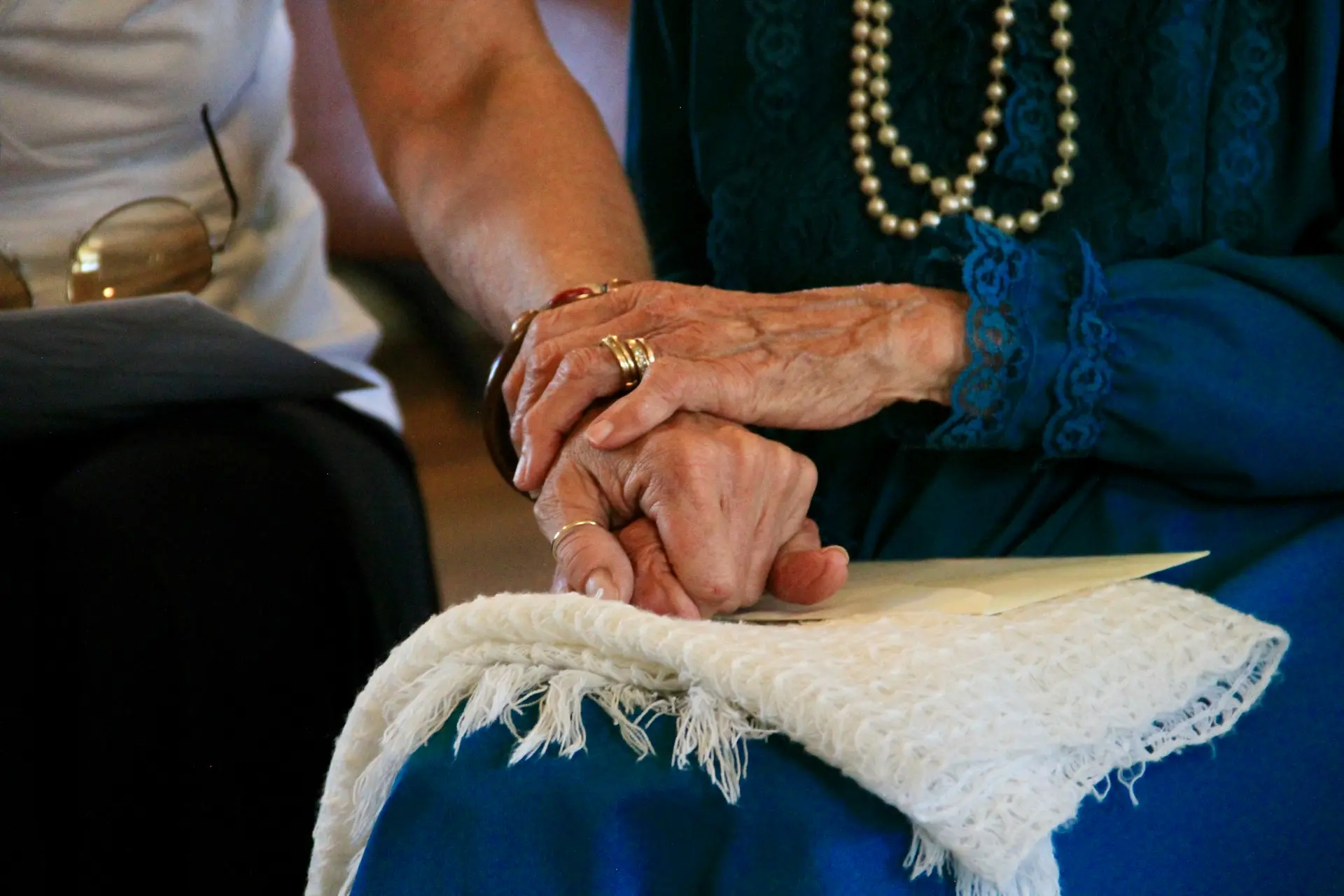
Memory care exists to offer structure, safety, and specialized attention to individuals experiencing Alzheimer’s disease, dementia, or other cognitive impairments. These communities are designed to reduce confusion, enhance well-being, and provide an environment where seniors can experience comfort, routine, and a better quality of life.
This guide walks you through the signs that memory care may be needed, the benefits of residential memory care, and how to compare your options with clarity and confidence.
What Is Memory Care?
Memory care is a specialized form of senior care designed for individuals living with Alzheimer’s disease, dementia, or cognitive impairments. Unlike traditional assisted living or nursing home settings, memory care provides consistent structure, increased supervision, and enhanced safety precautions such as secured doors, visual cues, and trained staff familiar with memory-related behaviors.
Residents receive support with personal tasks, meal preparation, housekeeping, medication assistance, and social activities that are adapted to their cognitive abilities. Many communities offer dedicated memory care units within larger assisted living communities, while others operate as fully specialized residential memory care centers.
Key Signs It May Be Time to Consider Memory Care
Families often notice subtle changes long before a doctor diagnoses dementia. Over time, cognitive decline can make independent living difficult or dangerous. If you are unsure when to consider memory care, these indicators offer important guidance.
1. Increased Memory Loss and Confusion
Occasional forgetfulness is normal with age, but consistent confusion or memory loss that affects daily life is a key warning sign. Forgetting appointments, misplacing essential items, or repeating questions frequently suggests a need for structured support.
2. Changes in Safety Awareness
Seniors with dementia may leave appliances running, wander outside unsupervised, forget to lock doors, or mix up medications. Memory care communities offer safety precautions including secured doors, visual cues, and supervised living spaces to prevent accidents.
3. Social Isolation and Withdrawal
Individuals with cognitive impairments may stop participating in social activities, avoid friends, or become overwhelmed in public places. Memory care programs include structured social activities tailored to cognitive levels, helping reduce loneliness and emotional distress.
4. Increasing Caregiver Burnout
Family caregiving is demanding. Managing medication errors, mobility needs, personal care, and behavioral changes can lead to fatigue and emotional strain. Memory care relieves families by providing skilled care, routine supervision, and trained staff who understand the progression of dementia.
5. Behavioral Changes or Aggressive Behaviors
Agitation, irritability, fearfulness, or aggressive behaviors often appear as dementia progresses. Staff in memory care communities are trained to de-escalate behaviors compassionately and redirect attention with sensory or engagement activities.
6. Wandering or Elopement Attempts
One of the most serious signs is wandering, especially if a senior tries to leave home without others knowing. Memory care settings include locked perimeters, wander-prevention systems, and consistent supervision.
7. Decline in Health and Personal Hygiene
Missed meals, forgotten medications, poor hygiene, and weight loss indicate that a senior can no longer manage daily tasks safely. Memory care provides meal preparation, housekeeping, and coordinated medical services to protect physical health.
How Memory Care Supports Seniors with Cognitive Challenges
When the time comes, transitioning to memory care can bring relief, comfort, and stability to both seniors and their families.
Structured Daily Routines
Predictability helps reduce anxiety and confusion. Memory care programs include consistent schedules for meals, activities, and personal care.
Specialized Activities and Social Engagement
Engagement helps slow cognitive decline and enhances emotional well-being. Activities may include music therapy, simplified games, sensory programs, and gentle exercise classes adapted for dementia.
Professional Care and Safety
Memory care communities are built with secured entrances, alert systems, and staff trained in Alzheimer’s and dementia care. These precautions safeguard residents daily.
Coordinated Medical Services
Many communities work with outside physicians, nurses, and therapists to ensure seniors receive appropriate medical care, medication management, and health monitoring.
Comparing Assisted Living, Memory Care, and Nursing Homes
Many families wonder whether assisted living is enough or if it is time for memory care.
-
Assisted living works well for seniors who need help with daily tasks but are cognitively stable.
-
Memory care is necessary when cognitive impairments or dementia symptoms interfere with safety, routine, or health.
-
Nursing homes are ideal for seniors requiring 24-hour skilled care for complex medical conditions.
When symptoms escalate from forgetfulness to unsafe behavior or wandering, memory care becomes the appropriate level of support.
For more tips you can explore When It Is Necessary To Move To An Assisted Living Community.
Conclusion: Find the Right Memory Care Community with Confidence
Choosing memory care is a significant decision, but it does not have to feel overwhelming. With Next Chapter Living, seniors and families can easily compare memory care communities using transparent starting and average prices, real-time availability, and detailed descriptions of safety features and living environments. You can also review amenities, staff-to-resident ratios, social activities, and filter communities based on Alzheimer’s disease or dementia-related support.
Our platform gives you the clarity, confidence, and guidance needed to select a residential memory care option that truly fits your needs. Start exploring today and take the first step toward a safer, more supportive next chapter.
FAQs: When to Consider Memory Care
1. what is memory care for seniors
Memory care for seniors is a specialized type of support designed for individuals with Alzheimer’s disease, dementia, or cognitive impairments. It provides structured routines, secured environments, and trained staff to ensure safety, comfort, and improved daily functioning for residents.
2. At what point should someone with dementia go into a care home?
A move is necessary when dementia creates safety risks, such as wandering, medication confusion, aggressive behaviors, or inability to manage daily living tasks. When health or personal safety becomes compromised, memory care provides structure and supervision.
3. What are memory care facility requirements?
Requirements vary by state but often include trained staff, secured doors, safety precautions, activity programs, medication management, and specialized support for Alzheimer’s disease or dementia.
4. How to decide between assisted living and memory care?
Choose assisted living if your loved one needs physical support but is cognitively stable. Choose memory care if behavioral changes, confusion, wandering, or safety risks indicate a need for specialized supervision and structured routines.
5. When to move from assisted living to memory care?
A transition is necessary when confusion worsens, wandering increases, or behaviors become difficult for assisted living staff to manage safely. Memory care provides enhanced supervision, secure spaces, and trained dementia caregivers.
الأقسام
إقرأ المزيد
Story Choice and Perspectives Navigating the dual perspectives of Duet Night Abyss requires a choice between its central figures. Each path offers a distinct narrative lens shaping the entire adventure. Your selection determines the story's flow and the challenges you will face. Understanding the second protagonist's role is crucial before committing to a journey. This decision defines your...

When choosing the Best Asian Massage in Manhattan, people often wonder whether to go for an affordable option or a luxury experience. Both choices offer relaxation and stress relief, but they differ in setting, services, and overall experience. Affordable massage options focus on basic comfort and effective techniques, while luxury spas offer a more premium environment with added services and...

How ISSOW Is Transforming Safety from Paperwork into a Connected Process In sectors where a small oversight can trigger major consequences—such as power production, utilities, offshore environments, and heavy manufacturing—uncertainty is not just inconvenient. It creates genuine exposure to harm. In these conditions, safety cannot remain limited to written rules or routine...
In today’s hectic world, poor sleep is more than just feeling tired—it affects metabolism, energy, and weight management. Many people struggle to fall asleep, stay asleep, or wake up refreshed, which can make losing weight even harder. If you’ve tried countless diets or workouts without success, your sleep habits could be the missing link. Enter Sleep Lean, a natural nighttime...

When your home starts losing warmth, and the heater refuses to cooperate, panic can set in fast. That’s where professional heating services in Largo, FL, come into play, delivering quick, reliable solutions that protect both comfort and safety. A heating system isn’t just a box that blows hot air; it’s the backbone of home safety, efficiency, and peace of mind. Ignoring early...