


Top Benefits of Indexable Tools in High-Speed Machining
Explore the top benefits of indexable tools in high-speed machining, including higher productivity, better tool life, reduced downtime, and cost savings.
How Indexable Tools Help Reduce Tooling Costs in Mass Production
High-speed machining has become a core strategy for manufacturers aiming to improve productivity, reduce cycle times, and achieve superior surface finishes. However, operating at higher spindle speeds and feed rates also places greater stress on cutting systems. To meet these demands, many machining professionals rely on indexable tools as a dependable and cost-effective solution. Their design, performance stability, and adaptability make them especially suitable for modern, high-speed environments.
Understanding the Demands of High-Speed Machining
High-speed machining involves removing material at significantly higher cutting speeds compared to conventional methods. While this approach boosts output, it also generates more heat, increases tool wear, and requires excellent chip control. Traditional solid tools may struggle under these conditions, leading to frequent replacements and inconsistent results.
This is where indexable tools offer a clear advantage. By using replaceable inserts designed for high thermal resistance and cutting stability, manufacturers can maintain performance even at aggressive machining parameters.
Improved Heat Management and Wear Resistance
One of the key challenges in high-speed machining is heat generation at the cutting zone. Excessive heat can quickly degrade cutting edges and negatively impact surface finish. Insert-based cutting systems are engineered with advanced coatings and materials that resist heat and reduce friction.
An indexable milling cutter, for example, distributes cutting forces across multiple inserts. This balanced load minimizes localized heat buildup and allows each insert edge to wear evenly, extending usable life and ensuring stable performance during long machining cycles.
Higher Productivity with Reduced Downtime
Frequent tool changes can significantly disrupt high-speed production. Insert-based systems simplify this process by allowing operators to replace or index worn inserts quickly without removing the entire tool assembly. This efficiency helps maintain machine uptime and keeps production lines moving.
By integrating indexable tools into high-speed operations, manufacturers can achieve shorter cycle times while reducing interruptions caused by tool wear or breakage.
Consistent Accuracy and Surface Finish
Maintaining dimensional accuracy at high speeds requires cutting systems with excellent stability and repeatability. Insert-based designs are manufactured to tight tolerances, ensuring consistent cutting geometry even after multiple insert changes.
An Indexable end mill cutter is particularly effective in precision milling applications, delivering reliable performance and uniform surface finishes even when operating at elevated speeds and feeds.
Flexibility Across Materials and Applications
High-speed machining is used across a wide range of materials, including aluminum, steel, cast iron, and exotic alloys. Insert-based cutting systems offer flexibility by providing inserts in various grades and geometries tailored for specific materials.
This adaptability allows manufacturers to switch between applications without investing in multiple complete tools. With indexable cutting tools, the same holder can be optimized for roughing or finishing simply by changing the insert type.
Cost Efficiency in High-Speed Production
Tooling costs can escalate quickly in high-speed machining due to accelerated wear. Insert-based systems help control these expenses by reducing the need to replace entire tools. Only the worn insert is changed, while the tool body continues to be reused.
Over time, the strategic use of indexable tools lowers the cost per component and improves return on investment, making them an economical choice for both small and large-scale manufacturers.
Enhanced Process Stability and Automation Readiness
High-speed machining is often integrated with CNC automation and unmanned production. Insert-based systems support this approach by offering predictable tool life and stable cutting behaviour. When tool performance is consistent, process planning becomes more reliable and automation risks are reduced.
With indexable tools, manufacturers can confidently push machining parameters while maintaining control over quality and tool wear.
Conclusion
High-speed machining demands cutting systems that combine durability, precision, and efficiency. By offering better heat resistance, faster tool changes, consistent accuracy, and lower operating costs, indexable tools provide a strong foundation for achieving these goals. Their versatility and performance make them an essential choice for manufacturers focused on speed and productivity.
Jaibros supports modern machining needs with a comprehensive range of precision-engineered cutting solutions. Known for quality manufacturing and reliable performance, Jaibros helps industries achieve higher efficiency, improved tool life, and consistent results in demanding machining applications.
FAQs
1. Why are insert-based cutting systems suitable for high-speed machining?
They offer better heat resistance, quick edge replacement, and stable performance at high speeds.
2. Can these systems maintain surface finish at higher feeds?
Yes, tight tolerances and advanced insert geometries ensure consistent accuracy and finish.
3. Are insert-based cutters effective for different materials?
Absolutely. Inserts are available in multiple grades for aluminum, steel, cast iron, and more.
4. Do these tools help reduce overall tooling costs?
Yes, replacing only inserts instead of complete tools significantly lowers long-term expenses.
5. Are they compatible with automated CNC environments?
Yes, predictable tool life and consistent performance make them ideal for automation and unmanned machining.
Kategoriler
Read More
Many wellness routines can be confusing. Long ingredient lists, unclear labels, and bold marketing claims leave people unsure which products truly fit their lifestyle. This confusion often leads to frustration or hesitation in exploring new wellness options. People today want simplicity and transparency. They want to understand what they are using and why it matters. This is one reason CBD...

When people search for Chrome Hearts Near Me, they are usually looking for nearby access to authentic luxury fashion, jewelry, eyewear, or apparel from the iconic brand Chrome Hearts. This keyword reflects a strong intent to find real, trusted locations instead of unreliable sellers or fake products. At the same time, the keyword Find Authorized Chrome Hearts Stores & Resellers focuses more...

The upcoming event marks a significant effort to rekindle interest among fans by shining a spotlight on beloved characters, with Collei taking center stage once again. Scheduled for global launch on , this event offers more than just a nostalgic journey through the Sumeru desert; it also provides an exciting opportunity for players to obtain the four-star Dendro character, Collei, at no cost...

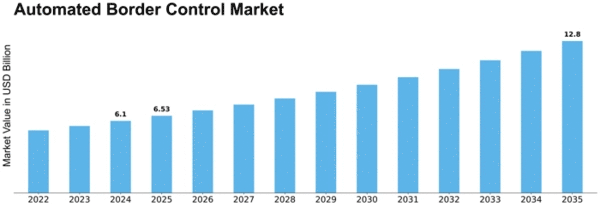
As per MRFR analysis, the Automated Border Control Market Size was estimated at 6.1 USD Billion in 2024. The Automated Border Control industry is projected to grow from 6.5 in 2025 to 12.8 by 2035, exhibiting a compound annual growth rate (CAGR) of 7.01 during the forecast period 2025 - 2035. Introduction The Automated Border Control Market outlook highlights the increasing importance of...
Polaris Market Research has introduced the latest market research report titled Micro-mobility Charging Infrastructure Market Share, Size, Trends, Industry Analysis Report, By Charger (Wired, Wireless); By Power Source (Solar Powered, Battery Powered); By Vehicle; By End-Use; By Region; Segment Forecast, 2021 - 2028 that highlights the major revenue stream for the forecast period. The report...
