Bladder health is an important part of overall well-being, yet many people rarely think about it until problems begin. The bladder plays a key role in storing and releasing urine, helping the body remove waste efficiently. When the bladder is healthy, this process happens smoothly and comfortably. When it is not, daily life can be disrupted by discomfort, urgency, or loss of confidence.
This article explains bladder health in simple, clear language for general readers. You will learn how the bladder works, common issues, warning signs, and practical habits that support long-term comfort and control.
Understanding the Bladder
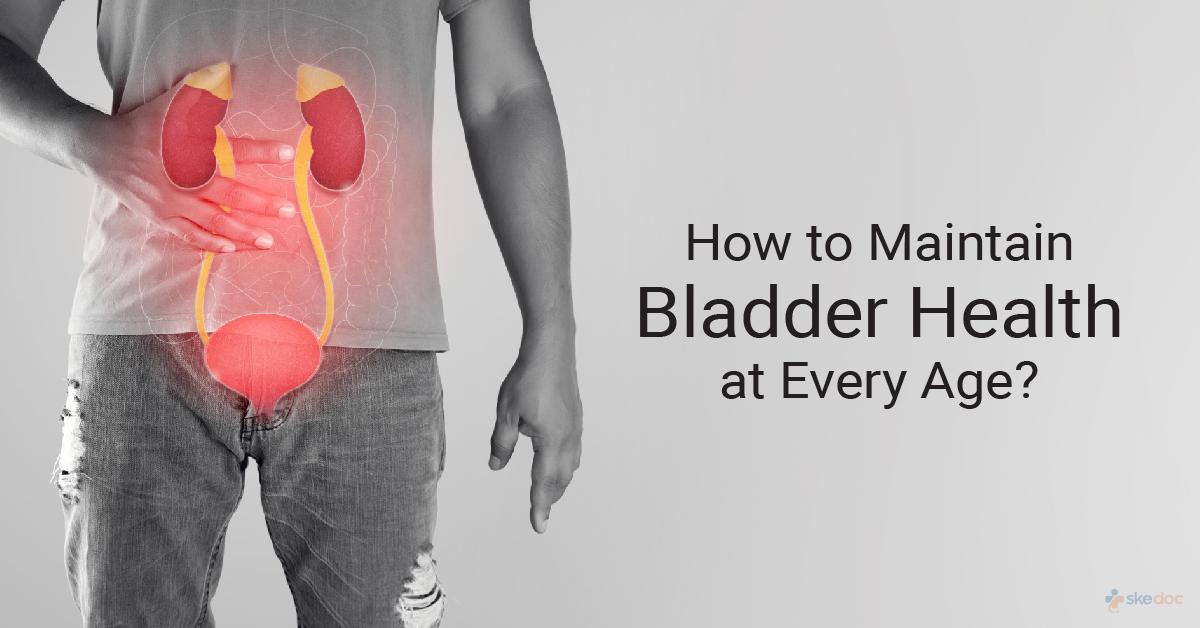
The bladder is a hollow, muscular organ located in the lower abdomen. Its main job is to store urine until it is time to release it from the body. As the bladder fills, it sends signals to the brain, letting you know when it is time to use the restroom.
Bladder health depends on strong muscles, healthy nerves, and proper hydration. When any of these systems are disrupted, bladder function may become less reliable. Understanding how the bladder works makes it easier to care for it properly.
Why Bladder Health Matters
Good bladder health supports comfort, independence, and confidence. When bladder function is disrupted, it can affect sleep, work, travel, and social activities. Frequent bathroom trips or unexpected urgency can cause stress and embarrassment.
Maintaining bladder health helps:
Small preventive steps can help avoid long-term issues.
Common Bladder Health Problems
Several conditions can affect bladder health. Many start with mild symptoms that are often ignored.
Frequent Urination
Needing to urinate often, especially at night, may signal irritation or reduced bladder capacity. It can interrupt sleep and daily routines.
Urgency
A sudden, strong need to urinate can feel hard to control. This may be stressful and inconvenient.
Discomfort or Pressure
Pain, burning, or pressure in the lower abdomen may indicate irritation or imbalance in bladder function.
Leakage
Loss of bladder control can occur during physical activity, coughing, or laughing. While common, it is not something that should be ignored.
Recognizing early symptoms helps protect bladder health over time.
Hydration and Bladder Health
Water intake plays a major role in bladder health. Drinking too little water can irritate the bladder, while drinking too much too quickly may increase urgency.
Healthy hydration habits include:
-
Drinking water steadily throughout the day
-
Avoiding long periods without fluids
-
Paying attention to urine color as a hydration guide
Balanced hydration helps flush waste gently and supports bladder comfort.
Diet and Its Impact on the Bladder
What you eat can influence bladder health more than many people realize. Certain foods and eating patterns may irritate the bladder, while others support smooth function.
Helpful dietary habits include:
-
Eating balanced meals at regular times
-
Including fiber-rich foods to support digestion
-
Avoiding overeating late at night
A well-balanced diet supports the entire urinary system and reduces unnecessary strain on the bladder.
Bladder Health and Muscle Strength
Strong pelvic muscles help support bladder control. When these muscles are weak, it may be harder to hold urine, especially during movement or pressure.
Gentle exercises that focus on pelvic strength can improve bladder support over time. Consistent practice helps improve control and confidence without requiring intense physical effort.
The Role of Physical Activity
Regular movement supports bladder health by improving circulation, muscle tone, and overall body function. Staying active also helps maintain a healthy weight, which reduces pressure on the bladder.
Beneficial activities include:
Movement does not need to be extreme to be effective. Consistency is key.
Stress and Bladder Health
Stress affects the entire body, including bladder function. When stress levels are high, muscle tension and nerve sensitivity may increase, leading to urgency or discomfort.
Managing stress supports bladder health by helping the body relax and function more smoothly. Effective stress management techniques include:
Reducing stress often improves bladder comfort naturally.
Sleep and Bladder Function
Sleep and bladder health are closely connected. Poor sleep can increase nighttime urination, while bladder discomfort can interrupt rest.
Healthy sleep habits include:
-
Limiting fluids close to bedtime
-
Establishing a regular sleep schedule
-
Creating a calm nighttime routine
Quality sleep allows the body to recover and regulate signals more effectively.
Bladder Health Across Different Ages
Bladder health needs can change with age. Younger individuals may experience issues related to lifestyle habits, while older adults may notice changes in muscle strength or bladder capacity.
At every age, the basics remain important:
Caring for the bladder early helps maintain comfort later in life.
When to Pay Attention to Warning Signs
Certain signs suggest that bladder health needs attention:
-
Persistent discomfort or pain
-
Sudden changes in urination patterns
-
Ongoing urgency or leakage
-
Interrupted sleep due to bladder issues
Ignoring symptoms may lead to worsening discomfort. Early awareness supports better outcomes.
Building Healthy Bladder Habits
Long-term bladder health is built through daily habits rather than quick solutions. Small, consistent choices make a lasting difference.
Healthy habits include:
-
Using the restroom when needed without rushing
-
Avoiding holding urine for long periods
-
Maintaining a balanced daily routine
These habits help the bladder function smoothly and comfortably.
Confidence and Emotional Well-Being
Bladder health is closely tied to emotional well-being. Worrying about bathroom access or control can create anxiety and reduce social confidence.
Taking steps to support bladder health often improves emotional comfort as well. Feeling in control supports independence and peace of mind.
Long-Term Benefits of Good Bladder Care
Maintaining bladder health supports more than just physical comfort. Over time, it contributes to:
Healthy bladder habits support a more active and comfortable lifestyle.
Final Thoughts
Bladder health is an essential but often overlooked part of overall well-being. With the right knowledge and daily habits, many common bladder concerns can be managed or prevented. Simple steps like proper hydration, balanced nutrition, stress management, and regular movement all play an important role.
By paying attention to early signs and caring for the bladder consistently, you can maintain comfort, control, and confidence at every stage of life. Supporting bladder health today helps ensure a healthier, more comfortable future.
this product is very helpful for this problem.
Click Here