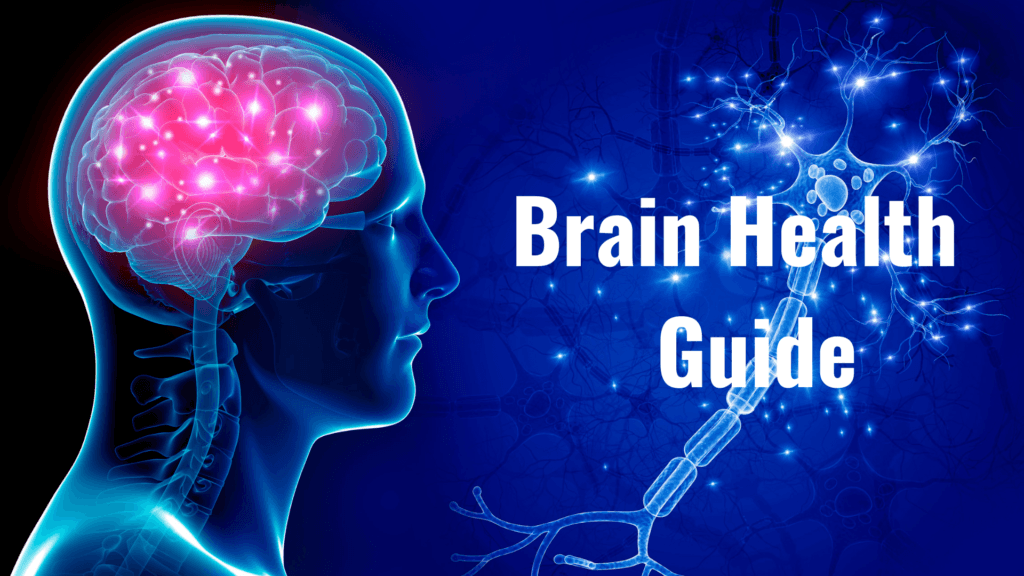
Brain health is essential for everything we do each day. From remembering names and making decisions to managing emotions and staying focused, the brain controls how we think, feel, and act. When the brain is healthy, daily life feels smoother and more manageable. When it is not, even simple tasks can feel overwhelming.
This article explains brain health in simple, engaging language for general readers. You will learn what brain health means, why it matters, and how daily habits like nutrition, sleep, movement, and mental activity can support long-term cognitive well-being.
What Is Brain Health?
Brain health refers to how well the brain functions in areas such as memory, learning, focus, emotional balance, and decision-making. A healthy brain can adapt, process information efficiently, and recover from stress more easily.
Brain health is not only about avoiding problems later in life. It also affects energy levels, productivity, creativity, and emotional stability today. Supporting the brain at every stage of life helps maintain clarity and confidence.
Why Brain Health Matters
The brain is the body’s control center. It manages thoughts, movements, emotions, and automatic processes like breathing and heart rate. When brain health is supported, people often experience better concentration, improved mood, and faster thinking.
Poor brain health, on the other hand, may lead to:
-
Difficulty concentrating
-
Memory lapses
-
Mental fatigue
-
Mood changes
-
Reduced motivation
Focusing on brain health early can help prevent long-term challenges and improve daily quality of life.
Brain Health and Daily Habits
Daily habits have a powerful impact on how the brain functions. Small choices repeated over time shape brain performance and resilience.
Healthy routines help the brain:
-
Process information more efficiently
-
Adapt to stress
-
Maintain emotional balance
-
Support memory and learning
Consistency is more important than perfection when building brain-supportive habits.
Nutrition and Brain Health
The brain requires proper nourishment to function well. What you eat affects energy levels, focus, and mental clarity.
Helpful nutrition habits for brain health include:
-
Eating balanced meals with whole foods
-
Including healthy fats to support brain structure
-
Getting enough protein for neurotransmitter function
-
Staying hydrated throughout the day
Skipping meals or relying heavily on processed foods may lead to mental fog and reduced focus.
The Role of Physical Activity
Physical activity supports brain health by improving blood flow and oxygen delivery to the brain. Movement also helps reduce stress and supports better sleep, both of which are important for mental clarity.
Beneficial activities include:
You do not need intense workouts. Regular, moderate movement is enough to support brain function.
Mental Stimulation and Learning
The brain thrives on challenge and learning. Mental stimulation helps maintain strong connections between brain cells.
Ways to keep the brain active include:
-
Reading books or articles
-
Learning new skills or hobbies
-
Solving puzzles or playing strategy games
-
Engaging in meaningful conversations
Challenging the brain regularly supports long-term brain health and cognitive flexibility.
Sleep and Brain Health
Sleep is essential for brain recovery and memory processing. During sleep, the brain organizes information, clears waste, and prepares for the next day.
Poor sleep can affect:
Healthy sleep habits include keeping a regular schedule, creating a calm sleep environment, and limiting screen use before bedtime. Quality rest is a cornerstone of brain health.
Stress and Its Impact on the Brain
Chronic stress places strain on the brain and can interfere with memory, focus, and emotional balance. When stress levels stay high for long periods, mental fatigue becomes more common.
Managing stress supports brain health by allowing the nervous system to relax and recover. Helpful stress-management strategies include:
Reducing stress does not mean eliminating responsibilities, but learning healthier ways to respond to challenges.
Brain Health and Emotional Well-Being
Emotional health and brain health are closely connected. The brain regulates emotions, and emotional experiences influence brain function.
Supporting emotional balance includes:
-
Maintaining social connections
-
Expressing feelings openly
-
Practicing gratitude
-
Seeking support when needed
Positive emotional habits help the brain function more smoothly and adapt to change.
Social Interaction and the Brain
Human connection plays an important role in brain health. Social interaction stimulates thinking, memory, and emotional regulation.
Benefits of social engagement include:
-
Improved mood
-
Better communication skills
-
Reduced feelings of isolation
-
Enhanced cognitive stimulation
Spending time with friends, family, or community groups supports mental well-being and brain function.
Brain Health Across Different Ages
Brain health needs change throughout life, but care is important at every age. Younger individuals may focus on learning and focus, while older adults may prioritize memory and mental clarity.
At all stages, the basics remain the same:
-
Balanced nutrition
-
Regular movement
-
Mental stimulation
-
Quality sleep
-
Stress management
Supporting brain health early helps maintain independence and confidence later in life.
Recognizing Signs That Brain Health Needs Attention
The brain often sends signals when something is off. Common signs include:
These signs do not always indicate serious issues, but they suggest that lifestyle habits may need adjustment.
Building Long-Term Brain Health Habits
Long-term brain health is built through consistent daily choices. Quick fixes rarely work, but steady habits create lasting benefits.
Helpful habits include:
-
Eating regular, balanced meals
-
Staying physically and mentally active
-
Prioritizing rest and relaxation
-
Managing stress effectively
Small improvements practiced daily can have a powerful impact over time.
The Benefits of a Healthy Brain
Supporting brain health leads to:
A healthy brain supports a more fulfilling and active life.
Final Thoughts
Brain health is essential for thinking clearly, managing emotions, and enjoying everyday life. While the brain is complex, supporting it does not require extreme measures. Simple habits like balanced nutrition, regular movement, mental stimulation, quality sleep, and stress management make a meaningful difference.
By paying attention to daily routines and listening to your body and mind, you can support brain health naturally and effectively. Small, consistent steps today can help protect mental clarity and well-being for years to come.
this product is very helpful for this problem.
Click Here