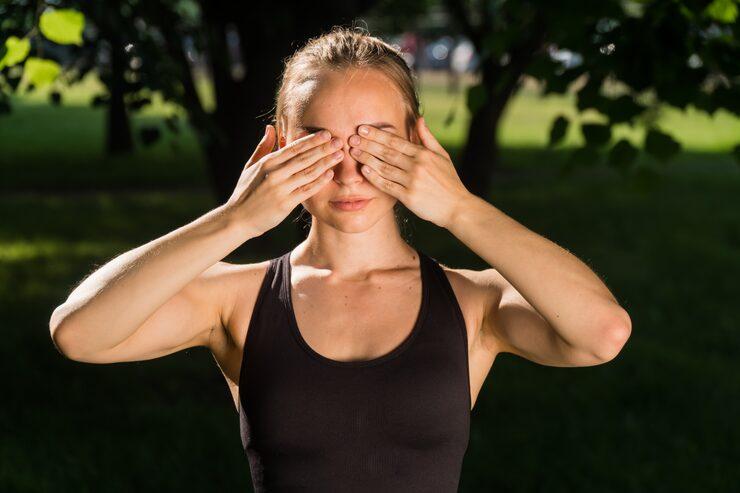
Eye health plays a vital role in everyday life. From reading and driving to working on screens and enjoying nature, our eyes help us connect with the world around us. Good vision supports independence, productivity, and overall quality of life. Yet, many people only think about their eyes when problems arise.
This article explains eye health in a simple, engaging way for general readers. You will learn why eye health matters, common threats to vision, and practical daily habits that help protect and maintain clear eyesight over time.
What Is Eye Health?
Eye health refers to the overall condition and function of the eyes, including vision clarity, comfort, and the ability to adapt to light and movement. Healthy eyes work together with the brain to process visual information accurately.
Maintaining eye health is not just about seeing clearly today. It also involves protecting the eyes from long-term damage, strain, and age-related changes. Daily habits play a powerful role in how well the eyes perform over time.
Why Eye Health Is Important
The eyes are sensitive organs that can be affected by lifestyle, environment, and aging. When eye health is supported, people often experience:
-
Clearer vision
-
Less eye strain and discomfort
-
Better focus and productivity
-
Greater safety in daily activities
Poor eye health, on the other hand, may lead to headaches, blurred vision, dryness, or difficulty concentrating. Taking proactive steps helps preserve vision and comfort.
Common Challenges to Eye Health
Modern lifestyles present several challenges to eye health. Prolonged screen time, artificial lighting, and reduced outdoor activity can all strain the eyes.
Common issues include:
Being aware of these challenges allows you to make adjustments that support healthier vision.
Screen Time and Eye Health
Screens are a major part of daily life, whether for work, entertainment, or communication. Extended screen use can lead to eye fatigue and discomfort.
Helpful habits to support eye health during screen use include:
-
Taking regular breaks to rest the eyes
-
Adjusting screen brightness and contrast
-
Blinking often to prevent dryness
-
Positioning screens at a comfortable distance
Simple changes can significantly reduce strain and protect vision.
Nutrition and Eye Health
Nutrition plays an important role in maintaining eye health. The eyes require specific nutrients to support vision clarity and protect against damage.
Healthy eating habits for eye health include:
-
Eating a variety of colorful fruits and vegetables
-
Including foods that support circulation
-
Staying hydrated to prevent dryness
-
Avoiding overly processed foods
Balanced nutrition supports not only the eyes but also overall wellness.
Hydration and Eye Comfort
Proper hydration helps maintain moisture in the eyes and reduces dryness or irritation. Dehydration can affect tear production and lead to discomfort.
Drinking enough water throughout the day supports eye health and helps maintain comfort, especially for those who spend long hours indoors or in air-conditioned environments.
The Role of Sleep in Eye Health
Sleep is essential for eye recovery and repair. During sleep, the eyes rest and replenish moisture, helping reduce fatigue and strain.
Poor sleep may lead to:
Prioritizing quality sleep supports eye health and overall energy levels.
Protecting Eyes from Environmental Factors
Environmental conditions can affect eye health in subtle ways. Bright sunlight, dust, wind, and dry air may irritate the eyes over time.
Helpful protective measures include:
-
Wearing protective eyewear in bright conditions
-
Avoiding direct exposure to harsh elements
-
Maintaining clean indoor air
These simple steps help shield the eyes from unnecessary stress.
Eye Health and Physical Activity
Physical activity supports circulation, which helps deliver oxygen and nutrients to the eyes. Regular movement also reduces stress, which can indirectly affect vision.
Activities like walking, stretching, or light exercise contribute to overall eye health by supporting the body’s natural balance.
Eye Exercises and Visual Breaks
Just like muscles, the eyes benefit from movement and rest. Eye exercises and visual breaks can help reduce strain and improve focus.
Examples include:
-
Looking at distant objects periodically
-
Gently shifting focus between near and far
-
Closing the eyes briefly to relax
These practices are especially helpful during long periods of close work.
Eye Health Across Different Ages
Eye health needs change throughout life. Children rely on good vision for learning, adults need clear eyesight for work, and older individuals may focus on maintaining clarity and comfort.
At every stage, the basics remain important:
Supporting eye health early helps reduce issues later in life.
Emotional Well-Being and Vision
Stress and emotional tension can affect eye comfort and focus. High stress levels may lead to eye strain, headaches, or difficulty concentrating.
Managing stress through relaxation, hobbies, and mindful breathing supports eye health and overall well-being.
Recognizing Signs That Eye Health Needs Attention
The eyes often signal when they are under strain. Common signs include:
Paying attention to these signals helps encourage healthier habits and timely care.
Building Long-Term Eye Health Habits
Long-term eye health is built through small, consistent actions rather than drastic changes. Developing daily routines that protect vision makes a lasting difference.
Helpful habits include:
Consistency supports comfort and clarity over time.
Benefits of Maintaining Good Eye Health
When eye health is supported, people often enjoy:
-
Clearer, more comfortable vision
-
Better focus and productivity
-
Reduced eye strain
-
Greater confidence in daily tasks
Healthy eyes contribute to a more active and enjoyable life.
Final Thoughts
Eye health is essential for maintaining independence, comfort, and connection to the world. While modern lifestyles can challenge vision, simple daily habits make a powerful difference. By focusing on balanced nutrition, regular rest, proper hydration, screen management, and overall wellness, you can protect your eyesight naturally.
Caring for your eyes today helps preserve clear vision and comfort for the future. Small steps taken consistently can support eye health at every stage of life.
this product is very helpful for this problem.
Click Here