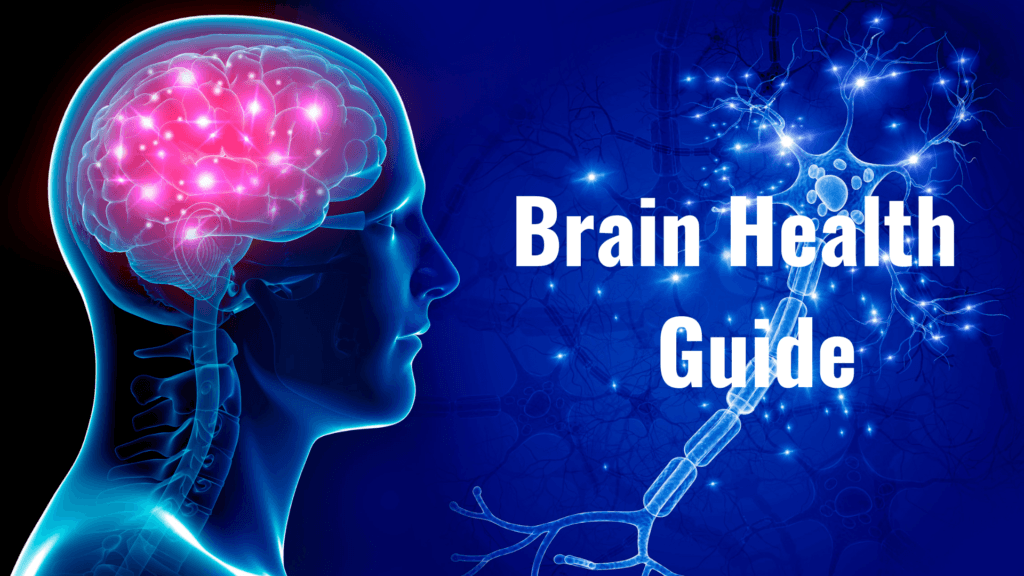
Brain health is essential for how we think, feel, remember, and interact with the world. From making decisions to managing emotions and learning new skills, the brain works nonstop. Yet many people only start thinking about their mental well-being when problems appear. The good news is that caring for the brain can begin at any age, and small daily habits can make a big difference over time.
This article explains brain health in a clear, simple way. You will learn why it matters, what affects it, and how to support it through practical lifestyle choices that fit into everyday life.
What Does Brain Health Really Mean?
Brain health refers to how well your brain functions across several areas, including memory, attention, learning, emotional balance, and problem-solving. A healthy brain allows you to stay focused, adapt to change, and enjoy life more fully.
Good brain health does not mean having perfect memory or never feeling stressed. It means the brain can recover, adapt, and perform well under normal life challenges. Like physical fitness, mental fitness improves with regular care and attention.
Why Brain Health Matters at Every Age
Many people think brain health is only important for older adults, but this is not true. The brain changes throughout life, and the habits you build today can influence how well it works in the future.
-
In younger years, a healthy brain supports learning and emotional growth
-
In adulthood, it helps with productivity, focus, and stress management
-
Later in life, it supports independence, memory, and quality of life
Protecting brain health early can reduce the risk of cognitive decline and improve overall well-being.
Nutrition and the Brain Connection
What you eat directly affects how your brain functions. The brain uses a large amount of energy, and it needs proper nutrients to work efficiently.
Foods That Support Mental Function
A balanced eating pattern can help maintain brain health by providing steady energy and essential nutrients. Helpful habits include:
-
Eating regular meals to stabilize energy levels
-
Including fruits and vegetables of different colors
-
Choosing whole grains instead of refined ones
-
Getting enough protein from varied sources
Staying hydrated is also important, as even mild dehydration can affect concentration and mood.
The Power of Physical Movement
Exercise is not only good for the body; it is one of the best tools for supporting brain health. Movement increases blood flow to the brain, delivers oxygen, and supports the growth of new brain connections.
Simple Ways to Stay Active
You do not need intense workouts to see benefits. Activities such as:
-
Walking
-
Stretching
-
Dancing
-
Light strength exercises
can improve focus, memory, and emotional balance when done regularly. Even short movement breaks during the day can refresh the mind.
Sleep: The Brain’s Reset Button
Sleep is one of the most important yet underestimated factors in brain health. During sleep, the brain processes information, clears waste, and strengthens memories.
Poor sleep can affect:
Helpful sleep habits include keeping a consistent bedtime, reducing screen use before sleep, and creating a calm sleeping environment. Quality sleep allows the brain to recover and perform at its best.
Managing Stress for a Healthier Mind
Stress is a normal part of life, but constant stress can harm brain health over time. Long-term stress affects memory, mood, and decision-making.
Simple Stress-Relief Practices
Managing stress does not require drastic changes. Small steps can help:
Reducing stress supports emotional balance and protects mental clarity.
Keeping the Brain Active
Just like muscles, the brain stays strong when it is used. Mental stimulation helps maintain brain health by encouraging new connections.
Ways to Challenge the Mind
-
Reading books or articles
-
Learning a new skill or hobby
-
Solving puzzles or games
-
Engaging in meaningful conversations
Trying new activities is especially helpful, as novelty encourages the brain to adapt and grow.
Social Connection and Brain Health
Human connection plays a major role in mental well-being. Social interaction supports emotional health and keeps the brain engaged.
Spending time with friends, family, or community groups can:
Strong social bonds are closely linked to long-term brain health.
Avoiding Harmful Habits
Some habits can negatively affect brain health if practiced regularly. These include:
Awareness is the first step. Making small adjustments can protect mental function over time.
Tracking Progress Beyond Memory
Brain health improvements are not always obvious right away. Progress may show up as:
-
Better focus
-
Improved mood
-
Faster thinking
-
More emotional balance
Pay attention to how you feel and function daily, not just how much you remember.
Common Myths About Brain Health
There are many misunderstandings that can discourage people from caring for their brain:
In reality, lifestyle choices play a powerful role. The brain remains adaptable throughout life.
Building a Brain-Friendly Lifestyle
Supporting brain health does not require perfection. It is about consistency and balance. Focus on habits you enjoy and can maintain.
Start with one or two changes, such as:
Over time, these habits add up and support long-term mental well-being.
A Positive, Long-Term Approach
Caring for your mind is an ongoing process. Some days will feel easier than others, and that is normal. What matters most is continuing to show up for yourself.
Brain health improves when physical, emotional, and mental needs are addressed together. A kind, patient approach leads to the most sustainable results.
Final Thoughts
Brain health is not just about avoiding problems; it is about creating a life with clarity, balance, and resilience. By supporting your brain through healthy routines, mental stimulation, good sleep, and emotional care, you invest in a better quality of life today and in the future.
Small steps taken consistently can lead to meaningful improvements over time.
“this product is very helpful for this problem.”
Click Here