How to Authenticate Real Oris Watches Before Buying
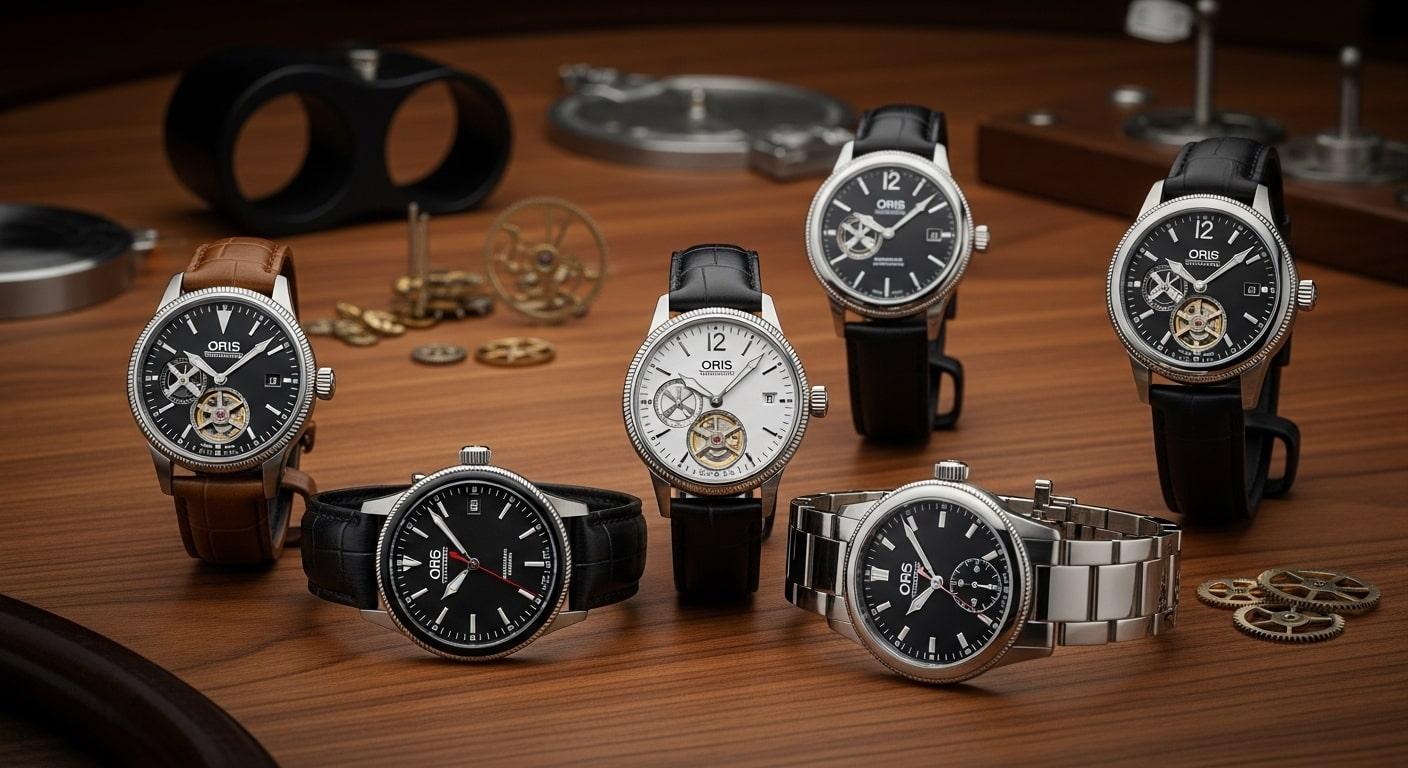
Purchasing a luxury timepiece is a significant investment that requires careful consideration and thorough verification. Oris watches have earned a distinguished reputation in the horology world for their exceptional Swiss craftsmanship, innovative mechanical movements, and timeless designs. Unfortunately, the popularity of this prestigious brand has attracted counterfeiters who produce convincing replicas to deceive unsuspecting buyers. Learning how to distinguish genuine pieces from fakes will protect your investment and ensure you receive the quality you deserve.
Understanding the Heritage Behind Oris Watches
Before looking at different authentication methods, you can get a better feel of what separates these watches from the others by understanding the brand’s history. The brand was established in 1904 in Hölstein, Switzerland. This independent watchmaker is known for their tradition of making only mechanical watches. This innovative company’s hallmark features, like the red rotor that has later on become the brand's signature element, are the result of their continuous commitment to innovation. With this information, you are already well equipped when you want to compare the pieces to make up your mind.
Examining the Case and Build Quality
The production standards of authentic Swiss watches are so high that even the best quality fakes have a hard time matching them. When looking over a watch, don't let the finishing of the case escape your scrutiny. Authentic models have their surfaces polished to impeccable standards and without any signs of wear, uneven textures, or jagged edges. Their owners usually take good care of them, which is why the great part of the time they are free of visible scratches. The heaviness of the watch should be quite noticeable because genuine pieces are made from high-grade stainless steel or some other luxury material.
Also, make sure you get a good look at the back of the case. The serial numbers, as well as the brand logos, present on the back of a wristwatch, are deep and clear on an original one. The characters should be finely cut, evenly spaced, and easy to read. A fake timepiece is likely to have shallow, fuzzy, or bad-quality engravings that give away its low-grade production method.
Inspecting the Dial and Hands
The dial is the main attraction of any wristwatch, and it provides a plethora of ways for the authentication of a timepiece. The authentic ones have perfect printing on the dials with absolutely perfect alignment of numerals, words, and logos. The brand name, model name, and "Swiss Made" should be the three inscriptions appearing the sharpest and the most correctly positioned.
Have a close look at the luminous material on the hands and the hour markers. Real ones are coated with a high-quality luminescent material that is applied evenly and is consistent. Counterfeit products more often than not exhibit uneven application, different colors of the same product, or weak brightness in the dark. Also, the hands of a watch should change the time smoothly without any hiccups or irregular movement.
Verifying the Movement
The movement is the one that beats the heart of any authentically made Swiss watch and is a mechanical one. To illustrate your point better, if the watch has a see-through back, you can ask to be shown the movement. You may also approach a professional watchmaker and have him open the case for you. The movements made by the brand in question are a joy to behold, and among the features, etc., that stand out are the decorated bridges, the polished jewels, and the distinctive red rotor for which the brand is renowned.
Find the correct movement engravings that have the caliber numbers and the brand identifications. A fake movement generally looks coarse, lacks correct finishing, and may have generic or wrong markings. The movement should be done properly with the watch running smoothly and the timekeeping being accurate.
Checking Documentation and Packaging
One of the things that goes hand in hand with an authentic purchase is comprehensive paperwork that is not easy for counterfeiters to copy precisely. The original art presents standard material, accurate printing, and the attractive appearance of the brand. The warranty card must have the serial numbers that are the same as the ones that are engraved on the back of the case.
Do not forget to get the original bill from the authorized retailers and check the seller's credentials. Real sellers will give you all the purchase papers you need and thus be the first to put their trust in the products by giving you manufacturer warranties. If you don't see any records or find them dubious, you should question the authenticity of the product straight away.
Purchasing from Authorized Sources
If you want to be sure that you are buying a real product, then the best thing for you is to get it from an authorized dealer or a reputable source. Official boutiques and certified retailers are the ones that guarantee you get the real products accompanied by manufacturer warranties. In the case of a pre-owned purchase, it is better to go for reputable platforms that offer authentication services and buyer protection policies.
You need to know clearly who the sellers are before you make a deal with them, no matter if it’s an online or offline transaction. Checking their reviews, verifying their credentials, and asking for detailed photographs of the watch from various angles are the things that you have to do. Trustworthy sellers are always willing to provide you with the extra photos and be open to your questions about how and when the item was made and its condition.
Seeking Professional Authentication
In case of uncertainty about the authenticity of a watch, the solution is to ask professional watchmakers or authentication services for their opinion. They have the know-how and tools to investigate the inner workings, the materials, and the little details of the construction that even highly skilled amateurs may overlook. There are pretty many authorized service centers that also provide this authentication service to those who want to assure their peace of mind before the purchase.
Final Thoughts
Authenticating luxury timepieces requires attention to detail, knowledge, and sometimes professional assistance. By carefully examining case quality, dial precision, movement authenticity, and documentation completeness, you significantly reduce the risk of purchasing counterfeits. Remember that legitimate Oris watches represent over a century of Swiss watchmaking excellence, and taking time to verify authenticity protects both your investment and your appreciation for genuine horological craftsmanship. Whether you choose new or pre-owned pieces, following these guidelines ensures your collection contains only authentic examples of this remarkable brand's work.
الأقسام
إقرأ المزيد
Winter Storm Battlefield Overview Please note that the recent updates have significantly altered this feature, and the current guide remains outdated for the new Winter Storm Battlefield. As winter blankets the region in ice and snow, the red and blue factions engage fiercely in suburban combat zones. After hours of relentless fighting, both teams remain resolute to secure victory. It’s...

Welcome to MM88, where excellence meets excitement in the world of online gaming. As a leading platform, we are dedicated to providing an unparalleled experience for gamers and betting enthusiasts alike. Whether you're a seasoned player or new to the scene, MM88 offers a secure, dynamic, and user-friendly environment designed to elevate your gaming journey.Why...

Understanding the world of kidney disease can feel complex, but focusing on the core issues—damage to the kidney’s filtering units, the glomeruli—brings clarity. NephCure Inc. is dedicated to advancing the research and treatment options for rare, debilitating kidney diseases. This post aims to shed light on two significant conditions: primary focal segmental...
When launched in NYC back in 2006, the world was on the cusp of a digital revolution. You do get a ton of credit for what you've done. My experience and my relationship with Kennedy was another thing that really shaped me and really created the foundations for all the work I do with Fashion Trust. What were you wearing in Skinny jeans, bomber, a lace slip, backless loafers? was the driving...

The relationship between cervical hernia symptoms and cervical disc issues is essential for understanding the development of this condition and the signs that alert patients. The cervical region of the spine consists of seven delicate vertebrae that support the neck, allow head movement, and protect the spinal cord. Damage, wear, or displacement of one of the intervertebral discs leads to what...