


Buying Indexable Tools: What to Know About Performance, Cost, and Durability
Learn how to choose indexable tools based on performance, cost, and durability. A complete buying guide for efficient and cost-effective CNC machining.
A Complete Buying Guide to Indexable Tools: Performance, Cost, and Durability
Choosing the right cutting solution is critical for manufacturers aiming to achieve precision, productivity, and cost efficiency. In modern CNC machining, insert-based systems have become a preferred choice for industries that demand high output and consistent quality. This buying guide will help you evaluate performance, cost, and durability before investing in indexable tools, ensuring you select the most suitable option for your machining needs.
Understanding Indexable Tool Systems
Indexable machining systems use replaceable cutting inserts mounted on a reusable tool holder. When a cutting edge wears out, the insert is rotated or replaced instead of discarding the entire tool. This design concept offers a balance between performance and economy, especially in high-volume production environments.
Manufacturers across automotive, aerospace, and general engineering sectors rely on indexable tools to maintain stable machining results while controlling tooling expenses. However, selecting the right system requires careful consideration of several technical and economic factors.
Performance: What to Look For
Performance is the first and most important factor when purchasing cutting solutions. The geometry of the insert, the quality of the tool body, and the compatibility with your machine all influence machining efficiency.
An indexable milling cutter, for example, is designed to deliver excellent chip evacuation and stable cutting at higher speeds. Insert grade selection also plays a key role. Different coatings and substrate materials are engineered for specific applications such as steel, cast iron, aluminium, or superalloys.
Tool rigidity is another performance indicator. A well-designed holder minimises vibration, improves surface finish, and extends insert life. When evaluating indexable tools, always check whether the system supports both roughing and finishing operations to maximise versatility.
Cost: Evaluating Total Ownership Value
While initial purchase price matters, focusing only on upfront cost can be misleading. The real value lies in the total cost of ownership. Insert-based systems significantly reduce long-term expenses because only inserts need replacement, not the entire tool.
Using indexable cutting tools helps manufacturers lower per-part machining costs by reducing tool replacement frequency and minimizing machine downtime. Faster insert changes also translate into higher productivity, which further improves cost efficiency.
Another cost-related factor is inventory management. Since one tool body can support multiple insert types, workshops can reduce the number of complete tools they need to stock. This flexibility makes indexable tools a smart financial choice for both small workshops and large production facilities.
Durability: Ensuring Long Tool Life
Durability directly affects machining consistency and operating costs. A durable system maintains performance under continuous cutting conditions without premature failure.
In fact, quality plays a major role here. High-quality inserts offer multiple usable cutting edges, allowing operators to maximize usage before replacement. Tool holders made from hardened steel or advanced alloys ensure long service life even under heavy cutting loads.
An Indexable end mill cutter designed for durability can handle demanding applications such as deep milling or interrupted cuts. When assessing indexable tools, check for secure insert clamping mechanisms, as poor clamping can lead to insert movement and reduced tool life.
Compatibility With Machines and Applications
Not all tools are suitable for every machine. Before purchasing, ensure compatibility with your CNC spindle, tool holders, and power capacity. The correct balance between cutting speed, feed rate, and machine rigidity is essential for optimal results.
Additionally, consider the types of applications you frequently use. Whether it’s face milling, slotting, pro-filing, or shoulder milling, choosing application-specific systems improves efficiency. Proper selection ensures that indexable tools deliver consistent accuracy across different operations.
Ease of Use and Maintenance
Ease of use is often overlooked but has a major impact on shop-floor efficiency. Insert changes should be quick and simple, requiring minimal tools or setup time.
Clear insert positioning, standardized screws, and user-friendly designs reduce operator errors. This not only saves time but also protects inserts from damage during handling. Well-maintained indexable tools contribute to safer operations and predictable machining outcomes.
Scalability for Future Growth
As production demands grow, tooling systems should scale accordingly. Insert-based systems allow manufacturers to upgrade performance simply by switching insert grades or geometries.
This scalability makes indexable tools ideal for businesses planning long-term expansion. Instead of investing in entirely new tooling, manufacturers can adapt existing systems to new materials or higher production volumes.
FAQs
1. What are indexable tools used for?
They are used for milling, turning, drilling, and other machining operations where replaceable inserts improve efficiency and reduce costs.
2. How do indexable systems reduce tooling costs?
They allow insert replacement instead of full tool replacement, lowering long-term expenses and downtime.
3. Are indexable tools suitable for small workshops?
Yes, they are cost-effective and flexible, making them suitable for both small and large manufacturing units.
4. How do I choose the right insert grade?
Insert grade selection depends on material type, cutting speed, and machining conditions.
5. Do indexable tools require special training?
Basic CNC machining knowledge is sufficient, as most systems are designed for easy insert handling.
Conclusion
Selecting the right tooling solution requires a careful balance of performance, cost, and durability. By evaluating insert quality, tool design, machine compatibility, and long-term value, manufacturers can make informed purchasing decisions. Investing in indexable tools helps achieve consistent machining quality, reduced operating costs, and improved productivity across a wide range of applications.
Jaibros is a reliable CNC tooling manufacturer known for delivering precision-engineered solutions that meet modern machining demands. With a strong focus on quality, innovation, and customer support, Jaibros provides durable and high-performance tooling options that help manufacturers achieve efficient and cost-effective production.
Categorias
Leia mais
Technology has become the foundation of nearly every successful organization, making Business It Support more valuable than ever before. Every minute of downtime, every unexpected system failure, and every unresolved technical issue can disrupt productivity, reduce customer satisfaction, and create costly setbacks. Businesses that continue relying on outdated systems or inconsistent technical...

It can be overwhelming to find reliable, compassionate care for yourself or a loved one. It requires a consideration with so many options available to card the right nursing services provider. A trusted Nursing Services Agency in Maryland provides not just professional medical support that helps with healing but also additional personalized care that ensures comfort, dignity, and most...

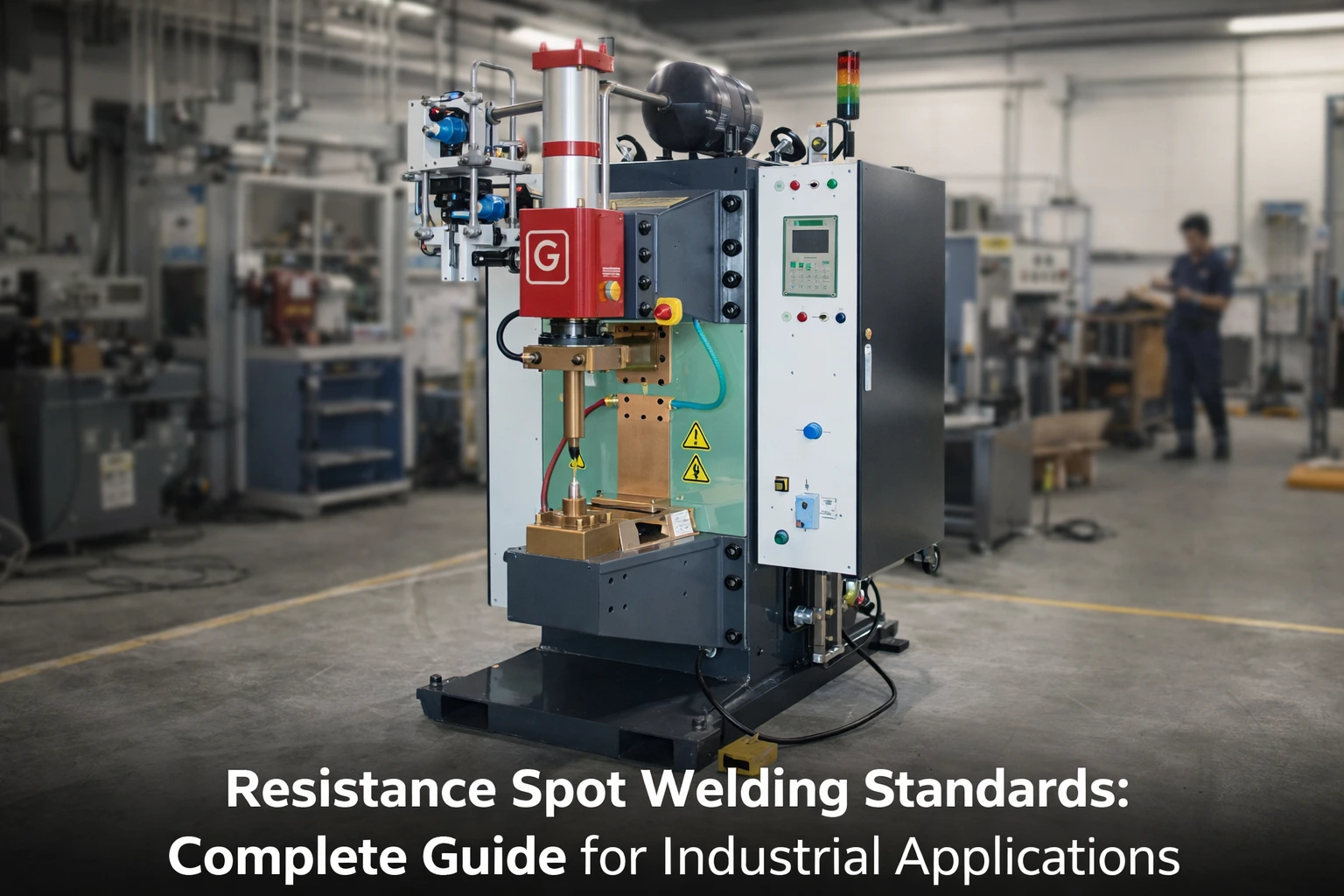
In modern manufacturing, efficient, reliable, and repeatable joining of sheet metals is critical. Resistance spot welding (RSW) has become a cornerstone process in automotive, appliance, aerospace, and heavy machinery production lines. Heron Welder, a global leader in industrial welding solutions, provides state-of-the-art resistance spot welding machines, welding guns, controllers, and...
A spectrum analyzer is an essential electronic instrument used to measure and visualize signals in the frequency domain. Unlike tools that display signals over time, a spectrum analyzer shows how signal power is distributed across different frequencies. This makes it extremely useful for engineers, students, and technicians working in electronics, telecommunications, and signal...

Jewelry has always been an important part of Indian fashion, and bangles are among the most cherished accessories worn by women of all ages. A beautifully designed bangle set not only enhances an outfit but also adds elegance and cultural charm to every celebration. Among the many styles available today, the Trendy Kashmiri Bangles Set for Special Occasions stands out for its intricate...
