Common Problems LVAD Patients Face With Standard Clothing
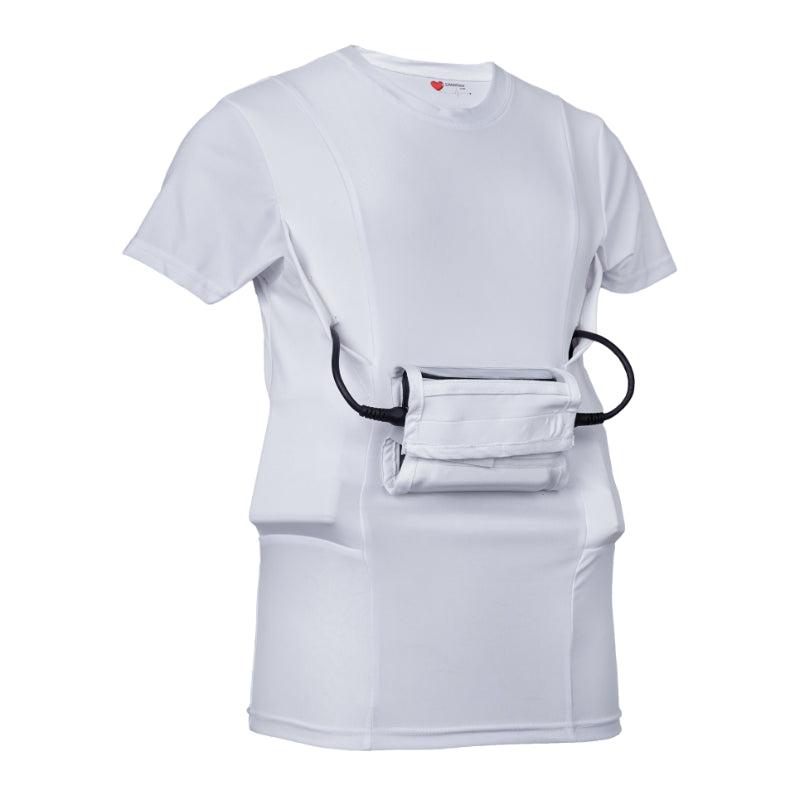
Left Ventricular Assist Devices (LVADs) are life-sustaining mechanical circulatory support systems used in patients with advanced heart failure. Modern systems such as the HeartMate 3 and HeartWare LVAD have significantly improved survival and quality of life. However, despite technological advances in pumps and controllers, everyday clothing has not evolved at the same pace. Standard apparel often fails to accommodate external LVAD components, leading to recurring challenges related to cable management, comfort, safety, mobility, and long-term adherence to rehabilitation and daily activity.
Understanding these clothing-related problems is essential for clinicians, caregivers, designers, and patients alike. Clothing is not a cosmetic concern in LVAD care; it directly affects driveline protection, device security, infection prevention, posture, mobility, and psychological well-being. This article provides a comprehensive, fact-driven analysis of the most common problems LVAD patients face when wearing conventional clothing, with a specific focus on HeartMate 3 clothing and HeartWare LVAD controller management in real-world settings.
Understanding LVAD External Components and Clothing Interaction
An LVAD system consists of both internal and external elements. While the pump itself is surgically implanted, several external components must remain continuously accessible and properly protected to ensure safe and effective operation. These include the driveline, a percutaneous cable that connects the internal pump to the external controller and power source; the controller, which is the computerized unit responsible for regulating pump function and managing system alarms; and the power sources, typically batteries or an AC power supply worn on the body.
Clinical overviews from leading medical institutions such as the Mayo Clinic, along with summaries in cardiovascular device references on Wikipedia, emphasize that proper management of these external components is a critical determinant of long-term LVAD success. Clothing that does not accommodate these elements can introduce preventable safety risks, restrict mobility, and create functional limitations in daily life.
Cable Management Challenges With Standard Clothing
Standard clothing is not designed to accommodate driveline exit sites or organized cable routing, which creates persistent challenges for LVAD patients during routine movement. As a result, patients frequently experience excessive tension on the driveline while walking, sitting, or bending, as well as unintentional pulling caused by tight waistbands or garments that shift throughout the day. In addition, the absence of secure pathways to stabilize cables against the torso allows continuous micro-movement of the driveline. In clinical practice, repeated driveline stress is closely associated with skin irritation, microtrauma at the exit site, and an elevated risk of infection. Proper driveline immobilization is a widely accepted best practice in LVAD care; however, standard clothing provides no structural support to achieve this level of protection consistently.
Limited Access During Alarms or Emergencies
Conventional shirts and jackets may obscure the controller or batteries, delaying access during alarms. LVAD training protocols emphasize rapid visual and physical access to the controller display, alarm indicators, and battery connections. Clothing that requires removal or lifting introduces unnecessary response delays.
Comfort Limitations in Daily Wear
Pressure Points and Weight Distribution
The combined weight of controllers and batteries can exceed several pounds. Standard clothing distributes this load unevenly, often causing:
-
Shoulder strain from makeshift lanyards or neck straps
-
Waist discomfort from improvised belt attachments
-
Postural imbalance due to asymmetrical weight placement
From a rehabilitation perspective, uneven weight distribution can negatively affect gait, spinal alignment, and endurance during walking or physical therapy sessions.
Heat Retention and Skin Irritation
LVAD controllers and batteries generate heat during normal operation. When enclosed in standard pockets or worn under non-breathable fabrics, heat accumulation may occur. This can lead to:
-
Skin maceration
-
Increased perspiration around the driveline exit site
-
Reduced comfort during prolonged wear
Clinical infection-prevention guidelines emphasize keeping the driveline site clean, dry, and well-ventilated—conditions that are difficult to maintain with ordinary apparel.
Safety Risks Associated With Non-Specialized Clothing
Increased Risk of Accidental Disconnection
Standard clothing does not secure connectors or battery cables. Movement-related hazards include:
-
Battery dislodgement during bending or reaching
-
Cable snagging on furniture, door handles, or seat belts
-
Inadvertent tugging during sleep or transfers
Device manufacturers and cardiac centers consistently stress redundancy and secure connections as core safety principles. Clothing that fails to stabilize these components undermines those principles.
Fall and Mobility Hazards
Loose cables and poorly supported equipment can interfere with balance. In older or deconditioned LVAD patients, even minor tripping hazards significantly increase fall risk. Falls pose serious consequences, including driveline trauma or controller damage.
Mobility and Rehabilitation Barriers
Restricted Range of Motion
Rehabilitation programs for LVAD patients emphasize early ambulation and progressively increased physical activity to support cardiovascular recovery and long-term functional improvement. However, standard clothing frequently restricts movement by fitting tightly around cable exit points, requiring bulky layering to conceal external equipment, or creating concern about accidental exposure or displacement of device components. These limitations can discourage consistent movement and reduce participation in structured cardiac rehabilitation programs, despite strong clinical evidence that regular rehabilitation is closely associated with improved mobility, endurance, and overall functional outcomes in LVAD patients.
Reduced Confidence in Public and Social Settings
Mobility is not purely physical. Patients frequently report hesitation to engage in social or occupational activities when equipment is visibly unsecured. From a psychosocial care standpoint, reduced confidence can indirectly limit mobility and independence.
Device-Specific Clothing Issues
HeartMate 3 System Considerations
Patients using the HeartMate 3 system face unique challenges related to controller size, battery configuration, and driveline positioning. Purpose-built heartmate 3 clothing is designed to address these system-specific requirements by providing structured compartments, reinforced seams, and anatomically appropriate weight distribution. In contrast, standard clothing offers no such accommodations, forcing patients to rely on improvised solutions that compromise safety and comfort.
HeartWare Controller Management
The heartware lvad controller requires stable positioning, clear visibility of alarms, and protection from impact. Standard garments lack dedicated controller housing, increasing the risk of drops, compression damage, or delayed alarm recognition—issues well-documented in LVAD outpatient follow-up assessments.
Expert Insights and Best Practices
Accepted Clinical Recommendations
Across major LVAD programs, several best practices are consistently emphasized:
-
Continuous driveline stabilization to minimize micro-motion
-
Even distribution of external component weight
-
Immediate access to controllers and power sources
-
Breathable materials near the driveline exit site
Specialized LVAD clothing is engineered to align with these principles, whereas conventional clothing inherently conflicts with them.
Integration Into Daily Life
From a professional care coordination standpoint, clothing that integrates LVAD hardware supports better adherence to mobility guidelines, reduces caregiver burden, and enhances patient autonomy. These outcomes align with long-term management goals outlined in advanced heart failure care models.
Common Mistakes and Misconceptions
Any Loose Clothing Is Sufficient
Loose garments may reduce pressure, but do not provide stabilization. Without structured support, cables and controllers remain vulnerable to movement-related hazards.
Accessory Bags Replace Specialized Clothing
External bags may carry equipment, but often shift during movement and lack infection-control considerations at the driveline site. They are not designed for continuous daily wear.
Clothing Does Not Affect Clinical Outcomes
Evidence from LVAD programs indicates that comfort, confidence, and driveline security directly influence activity levels and complication rates. Clothing is a functional component of care, not an aesthetic afterthought.
Conclusion
Standard clothing presents persistent and clinically relevant challenges for LVAD patients, particularly in the areas of cable management, comfort, safety, and mobility. These challenges are not minor inconveniences; they directly influence infection risk, rehabilitation participation, daily independence, and overall quality of life. Device-specific considerations for systems such as the HeartMate 3 and HeartWare further highlight the inadequacy of conventional apparel in meeting modern LVAD care standards.
From an expert, evidence-informed perspective, integrating LVAD-compatible clothing into daily life supports best practices in driveline protection, weight distribution, and patient confidence. Addressing clothing-related barriers is an essential component of comprehensive, long-term LVAD management and aligns with the broader goals of safety, functionality, and sustained patient outcomes.
FAQs
1. Why is standard clothing problematic for LVAD patients?
Standard clothing does not account for external LVAD components, leading to cable strain, discomfort, safety risks, and reduced mobility.
2. How does clothing affect driveline infection risk?
Poor cable stabilization and heat retention can cause skin irritation and microtrauma, increasing susceptibility to infection at the exit site.
3. Are belts or lanyards safe alternatives?
Improvised solutions often create uneven weight distribution and increase strain on the neck, shoulders, or waist.
4. Does clothing impact emergency response to LVAD alarms?
Yes. Clothing that obscures the controller can delay alarm recognition and response.
5. Can standard jackets or coats be used safely?
Heavy outerwear may compress controllers or restrict access unless specifically adapted for LVAD use.
6. How does clothing influence cardiac rehabilitation participation?
Secure, comfortable clothing increases confidence and freedom of movement, supporting consistent rehabilitation engagement.
7. Are device-specific clothing needs different between LVAD models?
Yes. Controller size, battery layout, and driveline orientation vary between systems, requiring tailored design considerations.
الأقسام
إقرأ المزيد
Game's Rapid Rise Over the last month, PlayerUnknown’s Battlegrounds has rapidly gained massive popularity. This multiplayer shooter, despite its unusual name, generated an impressive $11 million in revenue during its debut weekend on early access, selling over one million copies in that short span. It now ranks among the top-viewed games on Twitch, sharing the spotlight with giants like...

The demand for dependable air conditioning systems keeps climbing in residential, commercial, and industrial places, and honestly, people just can’t ignore it. In the background of every solid HVAC job, there’s always a strong supply chain that keeps quality equipment ready when it’s needed, right then. Through all that messy jumble, an experienced O General AC distributor...
Jalwa Support: Complete Guide to Getting Help and Assistance Introduction Having reliable customer support is important for any online gaming platform. Jalwa Support is designed to help users resolve account-related issues, login problems, registration queries, and general platform concerns. Whether you are a new user or an existing player, understanding how to access support can save time and...

Oud oils represent the pinnacle of luxury fragrance trends across Europe’s cosmopolitan centres. Known for depth, longevity, and richness, oud fragrance oil appeals to experienced perfume lovers. United Kingdom – London London leads the UK’s oud oil trend, especially among niche fragrance collectors. Platinum oud oil and amber oud oil are favoured for evening wear and special...

In 2026, IPL seasons bring high digital activity across platforms, with users frequently accessing dashboards to follow updates, explore features, and navigate real-time content. To ensure a smooth experience, it is important to understand how to use the platform efficiently during the IPL season and manage the dashboard in a structured way. This guide explains how users can improve their...