


Why Athlete Needs a High-Quality Men’s Rash Guard?
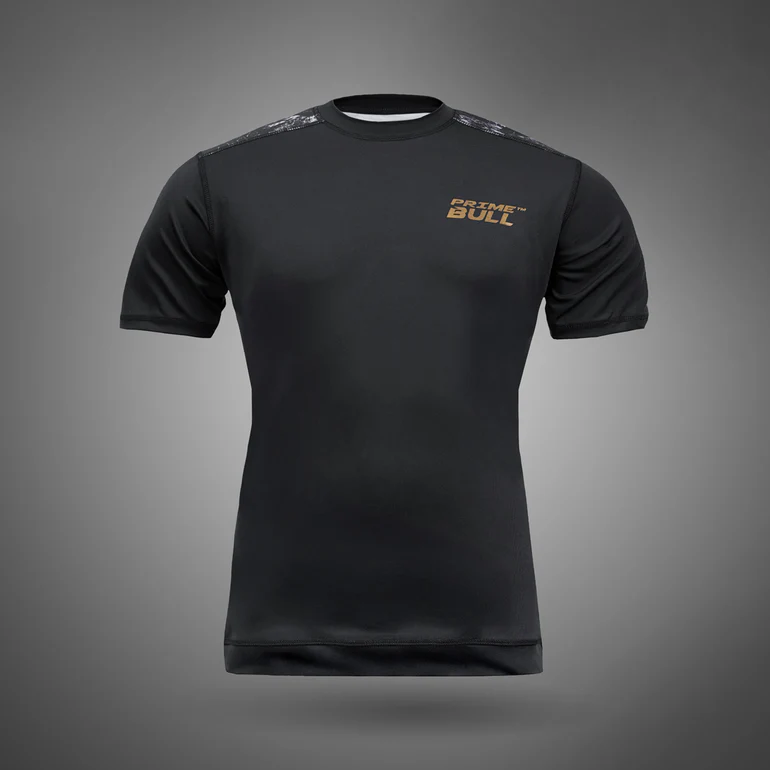
A high-quality men’s rash guard is a purpose-built performance garment designed to enhance athletic efficiency, protect the skin, and support movement across demanding physical disciplines. Originally developed for surf sports to prevent skin irritation from boards and wetsuits, rash guards have become a standard layer in Brazilian Jiu-Jitsu (BJJ), mixed martial arts (MMA), strength training, functional fitness, and high-intensity gym workouts.
Modern athletes operate across multiple training environments where abrasion, sweat accumulation, muscle fatigue, and hygiene risks are common. A technically engineered rash guard addresses these challenges through compression support, moisture regulation, and surface protection, making it an essential component of an athlete’s training system rather than a simple apparel choice. This article explains, from an expert and evidence-based perspective, why investing in a high-quality men’s rash guard delivers measurable performance and safety benefits.
Understanding Men’s Rash Guards: Technical Definition and Purpose
A rash guard is a close-fitting athletic top manufactured from high-stretch synthetic fibers such as polyester, nylon, and elastane blends. Its primary functions include:
-
Reducing friction between skin and external surfaces
-
Regulating body temperature and moisture
-
Supporting muscles through graduated compression
-
Providing a hygienic barrier in contact sports
Unlike standard athletic shirts, rash guards are engineered to maintain shape under stress, resist tearing, and perform effectively in both wet and dry conditions. According to the general definition of compression sportswear outlined in textile performance studies and summarized in publicly available sources such as Wikipedia’s entries on compression garments and sportswear, these garments are designed to improve comfort, durability, and biomechanical efficiency during activity.
Performance Benefits Across Training, Surf, Martial Arts, and Workouts
Skin Protection and Abrasion Resistance
In grappling sports such as BJJ and MMA, repeated contact with mats and opponents exposes athletes to mat burns, scratches, and skin infections. A Mens bjj rash guard acts as a protective second skin, minimizing direct friction while creating a physical barrier against bacteria commonly present on shared training surfaces. This is particularly relevant in regulated BJJ environments, where rash guards are often required for hygiene and safety compliance.
Moisture Management and Thermal Regulation
High-quality rash guards utilize moisture-wicking fibers that pull sweat away from the skin and promote rapid evaporation. This mechanism helps stabilize body temperature during high-output activities such as circuit training, sparring, or endurance workouts. By reducing moisture retention, rash guards also lower the risk of chafing and post-training discomfort, a critical factor in long-duration sessions.
Compression Support and Muscle Efficiency
Graduated compression is a defining feature of premium rash guards. Compression applies consistent pressure to major muscle groups, which helps reduce micro-vibrations caused by repetitive movement. Sports science literature commonly associates this effect with improved proprioception (body awareness) and reduced perceived muscle fatigue. In professional training contexts, athletes use compression garments to maintain movement efficiency and support recovery during back-to-back sessions.
Versatility in Multi-Sport Environments
Modern athletes frequently cross-train, combining martial arts, weightlifting, calisthenics, and conditioning. A well-designed rash guard performs consistently across these disciplines, eliminating the need for sport-specific tops. When paired with mens workout shorts, athletes gain unrestricted mobility and cohesive performance apparel suitable for both gym-based and functional training environments.
Fabric Engineering and Construction Standards
Material Composition
High-performance rash guards typically feature:
-
Polyester or nylon for durability and moisture control
-
Elastane (spandex) for four-way stretch and compression
-
Flatlock stitching to reduce seam irritation
These materials are selected for tensile strength, elasticity retention, and resistance to repeated washing. Inferior fabrics often lose compression integrity over time, reducing both performance and lifespan.
Stitching and Structural Integrity
Flatlock seams are an industry standard in professional-grade rash guards. Unlike traditional stitched seams, flatlock construction prevents raised edges that can dig into the skin during grappling or repetitive movements. This construction method is widely recognized in athletic apparel manufacturing as a best practice for close-contact sports.
Application in Professional and Training Contexts
Brazilian Jiu-Jitsu and Martial Arts
In BJJ academies, rash guards are used not only for comfort but also for compliance with hygiene protocols. They reduce skin-to-skin contact and help limit the spread of skin conditions. Coaches and competition organizers often recommend or mandate rash guards due to their protective and hygienic benefits.
Surf and Water-Based Training
Rash guards remain a foundational garment in surf sports, where saltwater, UV exposure, and board contact present unique challenges. UV-resistant fabrics help protect the skin during prolonged sun exposure, while quick-drying properties prevent hypothermia in changing conditions.
Strength Training and Everyday Workouts
In gym environments, rash guards provide stability during compound lifts, bodyweight movements, and high-repetition circuits. Their close fit prevents fabric interference with equipment and maintains consistent contact with the skin, improving comfort during dynamic transitions.
Expert Insights and Best Practices
-
Select rash guards with a compression rating appropriate for the intended activity; higher compression is preferred for grappling, while moderate compression suits general training.
-
Ensure proper sizing to avoid circulation restriction or fabric bunching.
-
Rotate rash guards to allow full drying between sessions, maintaining fabric performance and hygiene.
-
Pair rash guards with performance-engineered shorts to maintain full lower-body mobility during complex movements.
Common Mistakes and Misconceptions
Rash Guards Are Only for Water Sports
This outdated belief overlooks their widespread adoption in combat sports, fitness training, and professional athletic programs. Their technical benefits extend far beyond aquatic environments.
Any Tight Shirt Offers the Same Benefits
Standard compression shirts often lack abrasion resistance, reinforced seams, and fabric density required for grappling or high-friction training. Rash guards are purpose-built for these demands.
Compression Restricts Movement
When properly fitted, compression enhances movement efficiency rather than limiting it. Restriction typically results from incorrect sizing, not compression design.
Conclusion
A high-quality men’s rash guard is a foundational performance garment that supports protection, efficiency, and hygiene across multiple athletic disciplines. Through advanced fabric engineering, compression support, and abrasion resistance, rash guards address real-world training challenges faced by modern athletes. When combined with purpose-built performance shorts, they form a versatile system suited for martial arts, surf sports, and everyday workouts. From an expert and evidence-based standpoint, owning a reliable rash guard is not optional for serious athletes—it is a practical investment in long-term performance, safety, and training consistency.
FAQs
What differentiates a rash guard from a standard compression shirt?
Rash guards are engineered with abrasion-resistant fabrics and reinforced seams specifically designed for contact and high-friction sports.
Are rash guards suitable for daily gym workouts?
Yes. Their moisture control, flexibility, and durability make them ideal for strength and conditioning routines.
How should a rash guard fit for optimal performance?
It should fit snugly without restricting breathing or circulation, maintaining a full range of motion.
Do rash guards help prevent skin infections?
They reduce direct skin contact with contaminated surfaces, lowering risk when combined with proper hygiene practices.
Can rash guards improve recovery?
Compression may aid circulation and reduce perceived muscle fatigue during and after training.
Are rash guards appropriate for beginners?
Yes. Beginners benefit from added protection, comfort, and hygiene during early training stages.
How long does a high-quality rash guard typically last?
With proper care, premium rash guards maintain performance through hundreds of training sessions.
Should rash guards be worn alone or layered?
They are designed to be worn alone or under additional protective gear, depending on the sport.
Are rash guards suitable for hot climates?
Yes. Advanced moisture-wicking fabrics support cooling even in high-temperature environments.
Do professional athletes rely on rash guards?
Rash guards are standard equipment in professional combat sports, functional fitness, and surf training programs.
Catégories
Lire la suite
QKS Group reveals that the global Commercial Loan Origination Systems (CLOS) market is projected to reach a valuation of $8.82 billion by 2030, expanding at a robust Compound Annual Growth Rate (CAGR) of 10.87% between 2026 and 2030. The market's growth is being fueled by the increasing demand for digital lending solutions, automation of commercial lending processes, rising regulatory...

Installing a modern air conditioning system does more than cool your living space it boosts the health, airflow, and comfort of your environment. Many homeowners search for the most reliable AC installation Mesa AZ to reduce pollutants, improve efficiency, and enjoy consistent indoor comfort. When installed correctly, an AC becomes a vital tool for filtering contaminants, balancing...

Hearing health is an essential part of overall wellness, yet it is often overlooked until problems start to appear. Many people experience issues such as reduced hearing clarity, ringing in the ears, or difficulty understanding conversations, especially as they age. Environmental noise, aging, and lifestyle factors can gradually affect the ears and the delicate structures responsible for...

The way we consume information has changed dramatically over the last decade. Gone are the days when people relied solely on newspapers or television broadcasts for updates. Today, digital platforms dominate the information landscape, offering real-time news, personalized content, and interactive experiences. Platforms like Sosoactive are emerging as powerful players in this space,...

For many years, Webroot has been a trusted name in home and business cybersecurity. They offer a comprehensive suite of products designed to protect your devices and data from the ever-evolving landscape of online threats. Toll-Free-Number: "(+1-864-434-9460)" / "(+44-203-048-2836)"(USA/UK).Webroot's internet security suites, which include firewalls and anti-phishing technology, as well...
