How Does Food Presentation Quality Influence Customer Perception?
Food presentation quality can change how people feel about what they eat. When food looks neat and colorful it draws attention. It builds a first impression that shapes taste and value. Many customers believe food that looks nice tastes better. This is why smart restaurants care about how food looks before serving it. Clean plates, neat designs and balanced colors help people enjoy their time more. A good look makes food memorable. It builds trust and keeps customers coming back. Every choice from dish color to layout can shape customer thoughts. Food presentation quality turns a simple food into a full dining experience.
Why Does the First Look of Food Matter to Customers?
When a person sits down and sees food , the first look shapes feelings. Bright colors, neat layouts and clean surfaces tell care and effort. People feel respect when a dish looks fresh and arranged with purpose. Studies show that over half of diners judge taste by sight. When food looks dull people lose interest before tasting. Presentation sets mood and raises expectations. Restaurants that focus on looks make people feel valued. They show that care exists in every detail. This first moment can lead to lasting trust. A clean and balanced plate can create joy before the first bite.
How Does Food Presentation Quality Shape Taste Perception?
Food presentation quality can change how people sense flavor. A dish that looks rich and colorful can make the flavor seem deeper. When food looks fresh the brain links sight and taste together. People think food that looks fine also tastes better. Simple color balance can raise mood and change flavor guesses. A good layout can make a simple dish feel rich. Many chefs use shapes and spacing to make flavor shine more. Even if taste stays the same , a neat presentation makes it feel stronger. That visual cue tells your mind this food is special. It builds joy and memory together.
What Role Does Plate Arrangement Play in Customer Satisfaction?
Plate arrangement can build or break customer happiness. Neat placement shows skill and effort. Crowded or messy plates lower trust fast. Every food item should have its own space so eyes rest easily. When food looks clean people eat slower and enjoy longer. Balanced spacing helps highlight the main part of the dish. Small details like sauce lines or edges add finish. In the USA many diners report better taste when food is arranged neatly. They feel service is higher quality. Arrangement turns eating into a calm experience that comforts the mind. Presentation gives value beyond flavor itself.
How Do Colors and Textures Affect Customer Mood?
Color and texture bring strong feelings to people before the first bite. Soft colors relax people while bright colors make them excited. Smooth sauces and crisp sides give contrast that pleases the eye. When food has a clear texture, it looks alive and fresh. Customers like a balance that feels clean, not crowded. When texture matches color flow it builds harmony on the plate. Mood rises and people feel happy while eating. A well-planned color mix can make food taste richer. Each shade and surface adds meaning. Visual appeal helps people enjoy every moment with calm satisfaction.
How Can Small Details Build Brand Trust?
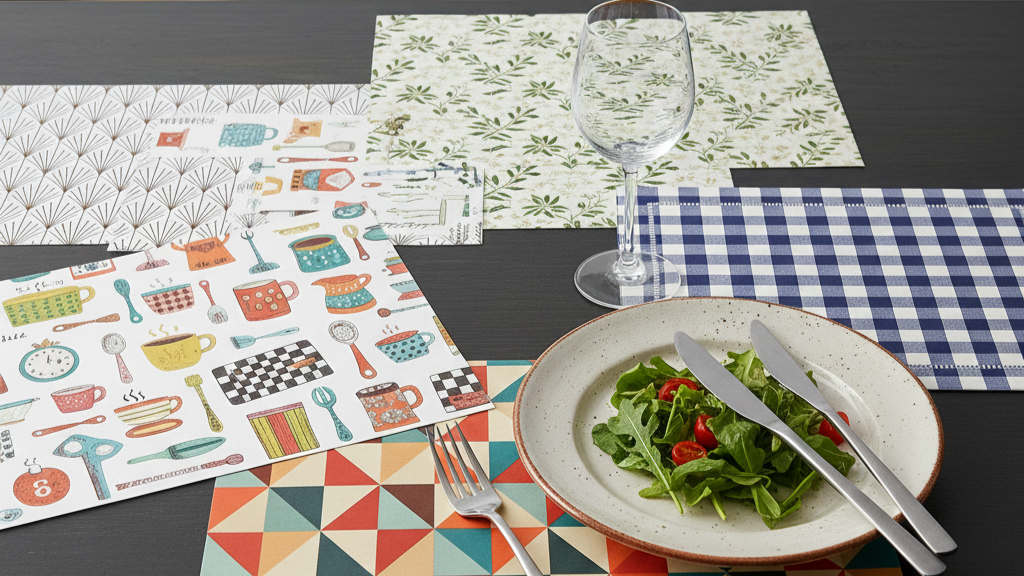
Tiny visual choices can build deep trust in customers. Clean edges and matching plates show care and order. Neat napkins or customized paper placemats for catering add identity touch. They show business pride and make customers feel part of the story. When such care appears in small items people believe food is safe and honest. Each table detail works like a quiet promise. It says your brand cares about every part of service. Trust grows through repeated good sights and tastes. Customers remember feeling safe and respected. Detailed care builds loyalty that lasts long.
How Do Restaurants Use Food Presentation to Stand Out?
Many restaurants use looks to stand apart in busy markets. They make unique designs to show identity. WaxPapersHub supports this by helping dining spaces look neat and creative. They help build brand feel through custom visuals that match food style. Clean and stylish designs attract people who like order and comfort. Each restaurant can build a theme that connects with diners. When the presentation is strong people share pictures and reviews. That spreads names faster than ads. A good presentation is not only beautiful but a smart business move. It pulls attention and builds return visits naturally.
How Can a Good Presentation Support Healthy Eating Habits?
When food looks fresh and bright people often eat more balanced. Presentations can make fruits and grains look as fun as sweets. A neat plate with clear sections helps people see what they eat. It guides portions and balance without rules. When plates look full with color mix people feel satisfied sooner. This helps reduce waste and overeating. Bright and simple presentation supports healthy choices for body and mind. Schools and homes can use these ideas to make foods joyful. Food presentation quality connects health and happiness in daily life.
What Happens When Presentation Is Ignored?
When food looks dull or messy trust drops fast. People think food may not be fresh or clean. Poor layout gives a sign of low care or rushed work. This can hurt taste even when the flavor is fine. Many diners say they feel uneasy when plates look untidy. They lose interest and skip return visits. When a presentation fails, the service image weakens too. Workers must spend more time fixing mistakes. A missed presentation means a missed chance to please. A bad look can cost brand loyalty and future growth quickly.
How Can Restaurants Improve Food Presentation Quality?
Restaurants can raise presentations by training teams in color balance and layout. Using plain white plates often helps focus on food colors. Proper lighting adds a clean view and mood. Fresh garnish gives shape and life. Care in wiping plate edges makes a big difference. Managers should check how plates look before serving. Small steps like steady portion and balanced height improve look. Using custom paper for food packaging can also enhance presentation and appeal. Asking staff to learn visual rules keeps results steady. Every team member should value looks as much as taste. Food presentation quality improves with habit and shared pride.
Conclusion
Food presentation quality builds bridges between eyes and taste. It gives food extra value through look and care. A well-arranged dish creates trust, comfort and happiness. People eat with eyes before their mouths. When that sight feels clean and calm, the mind enjoys more. Restaurants that focus on presentation grow faster and gain repeat guests. Visual care shapes brand and memory together. In every setting neat food shows respect for both maker and eater. A good presentation stays in memory long after food ends.
Categorías
Read More
Maximizing Your Brand Reach With Affordable Press Release Distribution Pricing for Small Businesses Finding Top PR Agency solutions that fit a modest startup budget can feel overwhelming for founders. Many entrepreneurs struggle to gain media coverage because traditional public relations firms charge exorbitant monthly retainers. Fortunately, modern Press Release...

Competitive Analysis of Executive Summary Europe Thermoplastic Polyurethane (TPU) Market Size and Share CAGR Value The Europe thermoplastic polyurethane (TPU) market size was valued at USD 852.84 million in 2024 and is expected to reach USD 1498.53 million by 2032, at a CAGR of 8.7% during the forecast period Keeping into consideration the customer requirement, an influential Europe...

Making Worldatwork T4 Exam Study Simple and Stress-Free Preparing for the Worldatwork T4 exam does not have to feel stressful or confusing. Many students struggle because they study too much without a clear plan. They read many resources but still feel unsure about what really matters for the exam. Choosing clear and trusted Worldatwork T4 study material makes preparation simple, focused, and...

" Polyethylene Terephthalate (PET) Market" According to the latest report published by Data Bridge Market Research, the Polyethylene Terephthalate (PET) Market The polyethylene terephthalate (PET) market size was valued at USD 26.99 billion in 2024 and is projected to reach USD 46.79 billion by 2032, with a CAGR of 7.12% during the forecast period of 2025 to 2032. In addition to...
Success in today's world requires much more than strong academic performance. Students are expected to demonstrate leadership, communication skills, emotional intelligence, creativity, adaptability, and confidence. While classroom education remains important, personal growth and character development have become equally valuable. This is why many students and parents are turning to a Holistic...