


Are Skin Tags Contagious? What Science Says
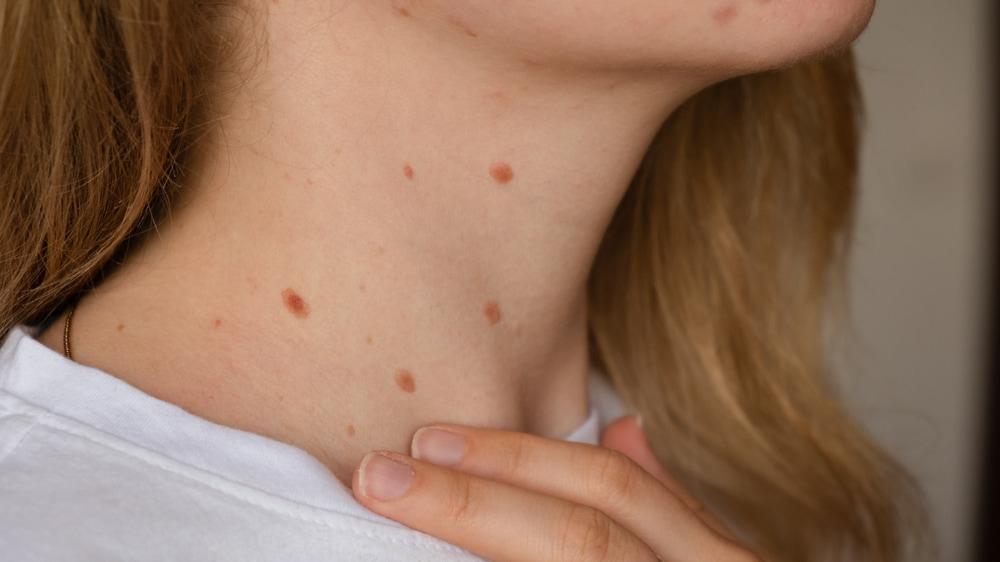
Skin tags are small, soft, flesh-colored growths that appear on various parts of the body, particularly in areas where the skin folds, such as the neck, armpits, and groin. While they are generally harmless, many people wonder: Are Skin Tags Contagious? Understanding the causes, risk factors, and preventive measures is essential for both personal health and wellness.
In this article, we will explore the science behind skin tags, answer common questions, and provide practical advice to manage or prevent them.
What Are Skin Tags?
Skin tags, medically known as acrochordons, are non-cancerous skin growths. They are usually small, ranging from a few millimeters to a centimeter in size, and can appear singly or in clusters. Despite their harmless nature, skin tags can be unsightly, causing cosmetic concerns for some individuals.
Most skin tags develop in areas of friction where the skin rubs against clothing or other skin surfaces. Common sites include the neck, eyelids, armpits, under the breasts, and the groin area. While they do not typically cause pain, skin tags can sometimes become irritated if they are frequently rubbed or scratched.
Causes of Skin Tags
The exact cause of skin tags is not entirely understood, but research suggests several contributing factors:
-
Friction: Repeated rubbing of skin surfaces may trigger the formation of tags.
-
Hormonal Changes: Pregnancy or hormonal imbalances can increase susceptibility to skin tags.
-
Genetics: A family history of skin tags can make an individual more prone.
-
Obesity: Excess weight increases skin folds, creating friction-prone areas.
While these factors explain why skin tags form, it is important to note that Are Skin Tags Contagious is a common misconception. The scientific consensus indicates that skin tags are not caused by infections, viruses, or bacteria that can be transmitted from person to person.
Are Skin Tags Contagious?
One of the most frequently asked questions about skin tags is: Are Skin Tags Contagious? The simple answer, according to dermatologists and medical research, is no. Skin tags are benign growths of skin tissue, and they are not caused by an infectious agent.
Unlike warts, which are caused by the human papillomavirus (HPV) and can be spread through direct contact, skin tags are not contagious. You cannot “catch” skin tags from touching someone who has them, and they do not pose a risk of spreading in communal or household environments.
Understanding this distinction is crucial because many people mistakenly believe that skin tags indicate poor hygiene or an underlying infection. In reality, skin tags are a natural occurrence often associated with genetics, age, and skin friction rather than transmissible diseases.
Risk Factors and Who Gets Skin Tags
While anyone can develop skin tags, certain individuals are more susceptible. Key risk factors include:
-
Age: Skin tags are more common in middle-aged and older adults.
-
Obesity: Excess body weight increases friction between skin folds.
-
Diabetes: Insulin resistance has been linked to skin tag formation.
-
Pregnancy: Hormonal changes may promote skin tag development.
Focusing on health and wellness, maintaining a balanced diet, managing weight, and monitoring skin changes can reduce the likelihood of developing skin tags. Additionally, recognizing risk factors helps individuals understand that Are Skin Tags Contagious is unrelated to personal habits or hygiene.
Symptoms and Identification
Identifying skin tags is generally straightforward. They are soft, small growths that may be:
-
Flesh-colored or slightly darker
-
Pedunculated (attached by a small stalk)
-
Non-painful, though they may become irritated if rubbed
Unlike moles or warts, skin tags are usually smooth and do not change color or shape significantly over time. Their benign nature makes them mostly a cosmetic concern rather than a medical emergency. However, any sudden change in skin growths should prompt consultation with a dermatologist to rule out other conditions.
Prevention and Management
Although skin tags are harmless, some people prefer to prevent or remove them for cosmetic reasons. Preventive strategies include:
-
Reduce Friction: Wear loose-fitting clothing to minimize skin rubbing.
-
Maintain Healthy Weight: Reducing excess weight decreases the formation of skin folds.
-
Skin Hygiene: Keeping skin dry and clean reduces irritation in friction-prone areas.
For those who already have skin tags, management options include:
-
Medical Removal: A dermatologist can remove skin tags using procedures like cryotherapy, surgical excision, or cauterization.
-
Over-the-Counter Treatments: Some topical treatments are available, though they may be less effective than professional removal.
These measures do not prevent skin tags from appearing entirely, but they can reduce discomfort and improve the appearance of affected areas.
Misconceptions About Skin Tags
Several myths surround skin tags, contributing to unnecessary worry and misinformation. Common misconceptions include:
-
Skin tags are contagious (false)
-
They are caused by poor hygiene (false)
-
Skin tags turn into cancer (false)
By understanding the science, individuals can confidently say that Are Skin Tags Contagious is a myth, and focus on genuine risk factors and preventive measures instead. Clearing up these misconceptions also encourages better health and wellness practices by reducing anxiety and promoting informed skin care.
When to See a Doctor
Although skin tags are benign, there are situations where medical advice is necessary:
-
Rapid growth of skin tags
-
Unusual color changes
-
Pain, bleeding, or irritation
-
Multiple skin tags appearing suddenly
Consulting a dermatologist ensures proper diagnosis and management. Additionally, if someone is concerned about cosmetic appearance, professional removal is safe and effective. This approach emphasizes proactive health and wellness without unnecessary fear about contagion.
Conclusion
To summarize, Are Skin Tags Contagious? No. Skin tags are benign growths caused by friction, genetics, age, and hormonal changes—not infections. Understanding their nature helps dispel myths and focus on real preventive measures such as maintaining a healthy weight, reducing skin friction, and consulting a dermatologist when necessary.
Prioritizing health and wellness through informed skincare decisions and lifestyle management ensures that skin tags remain a minor cosmetic concern rather than a source of anxiety. By educating ourselves about skin tags, we can confidently care for our skin and maintain overall well-being.
Категории
Больше
Download verified 1Z0-1041-25 exam dumps from HelloDumps. Enjoy accurate questions, multiple practice formats, instant download, and 25% OFF. Boost your chances of passing on the first attempt. Best Oracle 1Z0-1041-25 Exam Dumps – Get 25% OFF at HelloDumps Looking for the most reliable Oracle 1Z0-1041-25 exam dumps? HelloDumps offers updated and verified 1Z0-1041-25 exam questions that...

"Key Drivers Impacting Executive Summary Europe Protective Packaging Market Size and Share The Europe Protective Packaging Market size was valued at USD 16.35 billion by 2033 from USD 10.50 billion in 2025, growing with a CAGR of 5.8% during the forecast period A few of the most important objectives of the Europe Protective Packaging report include studying...
近年、セルフケアやウェルネスへの関心が高まる中で、さまざまなライフスタイル製品が注目を集めています。その中でも特に話題となっているのが ウーマナイザー です。このデバイスは独自のテクノロジーと使いやすさで、多くのユーザーから支持を得ています。本記事では、その特徴や選び方、安全な使い方について詳しく解説します。 ウーマナイザーとは何か ウーマナイザーは、最新技術を活用したセルフケア用デバイスで、従来の製品とは異なるアプローチを採用しています。特に注目されているのは、直接的な刺激ではなく、空気圧の変化を利用した独自の仕組みです。 この技術により、より繊細で快適な体験を提供するとされており、多くのユーザーが従来の製品との違いを実感しています。また、デザインもスタイリッシュで、日常生活に自然に溶け込む点も魅力の一つです。 なぜウーマナイザーが人気なのか...
MDO Films Market Overview The MDO Films Market is experiencing significant growth as packaging manufacturers increasingly adopt recyclable mono-material solutions to meet sustainability goals and regulatory requirements. According to Packaging Market Insights, the global MDO films market size was valued at approximately USD 3.87 billion in 2024 and is projected to grow from around USD 4.09...

" According to the latest report published by Data Bridge Market Research, the Germany Distributed Antenna System (DAS) Market The Germany distributed antenna system (DAS) market size was valued at USD 781.83 Million in 2025 and is expected to reach USD 2,123.02 Million by 2033, at a CAGR of 13.5% during the forecast period Germany Distributed Antenna...