What Pain Conditions Respond Best to Foot Reflexology Therapy?
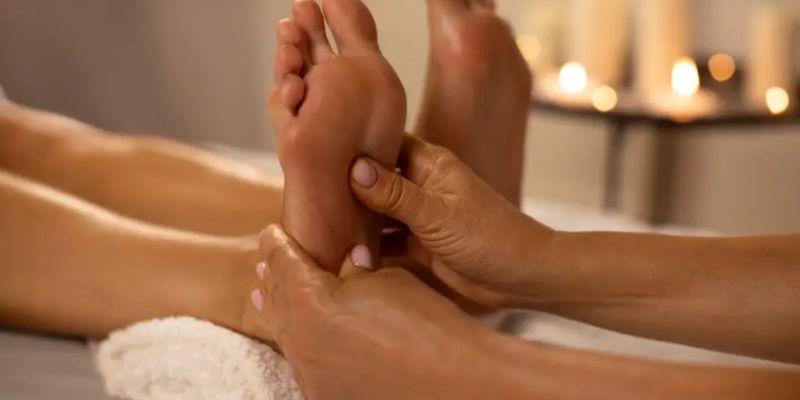
Pain is rarely just a physical signal. For many people, it is the body’s way of communicating overload, imbalance, or prolonged tension. While medication and clinical care play an important role, there is growing interest in complementary approaches that help people manage discomfort without forcing the body to override its signals. Foot reflexology sits within this space as a grounded, non-invasive practice that works through touch, awareness, and nervous system regulation.
Rather than treating pain as a single problem point, reflexology looks at patterns. Where is tension accumulating? How is fatigue influencing sensitivity? Is the nervous system stuck in a heightened state? Understanding these patterns helps explain why certain types of pain tend to respond more noticeably to reflexology than others.
Pain linked to nervous system overload
One of the most common categories of pain that responds well to foot reflexology is tension related discomfort. This includes headaches, neck stiffness, shoulder tightness, and generalized muscle aching that builds gradually rather than appearing suddenly after injury.
These sensations are often connected to prolonged stress and mental load. When the nervous system remains in a constant state of alertness, muscles do not fully release even during rest. Reflexology supports a shift toward parasympathetic activity, encouraging muscles to soften indirectly through nervous system calming.
In wellness environments such as a Foot Spa in Chennai, reflexology sessions often focus on reflex zones linked to the spine, head, and diaphragm. Clients frequently report a sense of lightness or reduced pressure rather than the complete disappearance of pain. This change in perception is significant, as it reflects reduced nervous system reactivity rather than forced muscular release.
Chronic fatigue linked body pain
Chronic fatigue does not always present as exhaustion alone. Many people experience diffuse body pain, heaviness in the limbs, or soreness that seems disproportionate to physical activity. This type of pain is closely tied to low energy states, poor circulation, and nervous system dysregulation.
Foot reflexology can be supportive here because it works without demanding effort from the body. Gentle pressure stimulates circulation in the feet while encouraging lymphatic movement, which may help reduce the sensation of stagnation and heaviness.
Pain linked to chronic fatigue often responds gradually. Instead of sharp relief, people notice improved tolerance, less morning stiffness, or fewer flare ups. The value lies in helping the body feel supported rather than pushed, which is essential when energy reserves are already low.
Lower back and postural discomfort
Lower back discomfort is another area where reflexology may offer relief, particularly when pain is associated with prolonged sitting, poor posture, or muscular imbalance rather than structural injury.
Reflex zones connected to the spine, hips, and pelvic region are commonly addressed during sessions. By working through the feet, reflexology avoids direct manipulation of sensitive areas, which can be helpful for people who find traditional bodywork too intense.
The response here is often linked to improved body awareness. As tension patterns soften, people become more conscious of how they sit, stand, or move. This awareness can reduce the repetitive strain that contributes to ongoing discomfort.
Pain associated with poor circulation
Cold feet, numbness, tingling, and dull aching in the legs are often linked to circulation issues rather than localized injury. While reflexology does not claim to correct underlying medical conditions, the rhythmic pressure applied during sessions can support local blood flow and warmth.
In settings where Foot Massage in Velachery is sought for everyday discomfort, reflexology based foot work is often chosen by people who experience leg fatigue after long hours of standing or walking. The pain here is usually described as heaviness rather than sharpness, and it responds well to gentle, consistent stimulation.
Improved circulation also has a calming effect on the nervous system, reinforcing relaxation and reducing the overall intensity of discomfort.
Stress related digestive discomfort
Pain is not always felt in muscles or joints. Many people experience abdominal tightness, bloating, or discomfort that worsens during periods of stress. These sensations are closely connected to the gut nervous system, which responds quickly to emotional strain.
Reflexology zones linked to digestive organs are often included in sessions focused on whole body balance. As relaxation deepens, digestive tension may ease, leading to reduced discomfort. This response highlights how pain can shift when the nervous system feels safe and regulated.
It is important to note that reflexology here supports comfort and awareness rather than treating digestive conditions. The benefit lies in reducing stress driven sensitivity rather than altering physiological processes directly.
Headaches rooted in tension and fatigue
Not all headaches are the same. Those linked to eye strain, mental fatigue, or emotional stress often respond better to reflexology than headaches with clear medical causes.
Reflexology promotes the release of stored stress by focusing on reflex sites related to the head, neck, and nerve system. Rather than experiencing an abrupt relief, many people report a gradual relaxing that is frequently accompanied by deeper breathing and mental stillness.
This type of response reinforces the idea that reflexology is most effective when pain is part of a broader pattern of overload rather than an isolated symptom.
Why reflexology is less suited for acute injury pain
Understanding what reflexology does not address is just as important. Acute pain caused by fractures, infections, or inflammatory conditions requires medical evaluation and care. Reflexology does not replace diagnosis or treatment.
Its strength lies in supporting the body’s regulatory systems. When pain is maintained by tension, fatigue, stress, or circulation challenges, reflexology can help reduce intensity and improve coping. When pain signals active injury or disease, reflexology may still offer relaxation but should not be positioned as a solution.
The role of consistency and expectation
Pain patterns that respond best to reflexology are those influenced by long term habits and nervous system states. Because of this, consistency matters more than intensity. Regular sessions allow the body to learn new patterns of relaxation and response.
Equally important is expectation. Reflexology works subtly. People who approach it as a supportive practice rather than a cure often notice broader benefits, including improved sleep, reduced reactivity, and better overall comfort.
At Foot Native, reflexology is approached as a way to listen to the body through the feet, not to override pain but to understand and soften it.
A supportive pathway for everyday pain management
Foot reflexology offers a grounded approach to managing certain types of pain, especially those linked to stress, fatigue, posture, and circulation. By engaging the nervous system and enhancing body awareness, it helps people experience discomfort differently.
While it does not claim to treat medical conditions, reflexology can be a valuable part of a holistic pain management routine. For those navigating the quieter, persistent forms of pain that accompany modern life, this gentle practice provides space for relief, understanding, and balance.
Категории
Больше
Few games reward creative theorycrafting like Path of Exile 2. With its overhauled gem systems, reimagined ascendancies, and deeper mechanical interactions, POE 2 Chaos Orbs has become a playground for players who love bending scaling rules in unexpected ways. Since the Dawn of the Hunt league, one build has stood out not just for its raw power, but for how elegantly it abuses synergy: the...

In recent years, In Vitro Fertilization (IVF) has become a ray of hope for countless couples struggling with infertility. However, one of the biggest concerns many couples face when considering IVF treatment is the cost. Finding an affordable IVF Centre in Bangalore that provides expert care, transparency, and high success rates can make all the difference in your parenthood journey. At Sattva...

Hydrostatic testing is a critical process for evaluating the strength and safety of pressure vessels, pipelines, and other fluid-containing systems. In Singapore, where industrial safety standards are stringent, Hydrostatic Testing in Singapore is widely used across manufacturing, construction, and chemical industries. This testing method involves filling equipment with water or another...

A three-part documentary called The Man With 1000 Kids follows families unraveling the consequences of one Dutch donor’s extensive sperm donations. Investigators found that Jonathan Meijer supplied sperm internationally and to at least 11 clinics in the Netherlands alone. He had told some recipients he intended to help just a small number of families, a statement that was later exposed...

Introduction The Vertical Lift Module (VLM) market is experiencing significant growth as organizations seek efficient solutions for material handling and storage. VLMs are automated systems designed to optimize vertical space for storing and retrieving items, offering a modern alternative to traditional shelving methods. This article explores the current trends, key drivers, challenges, and...