A Comprehensive Guide to Modern Supply Chain Analytics Solutions and Platforms
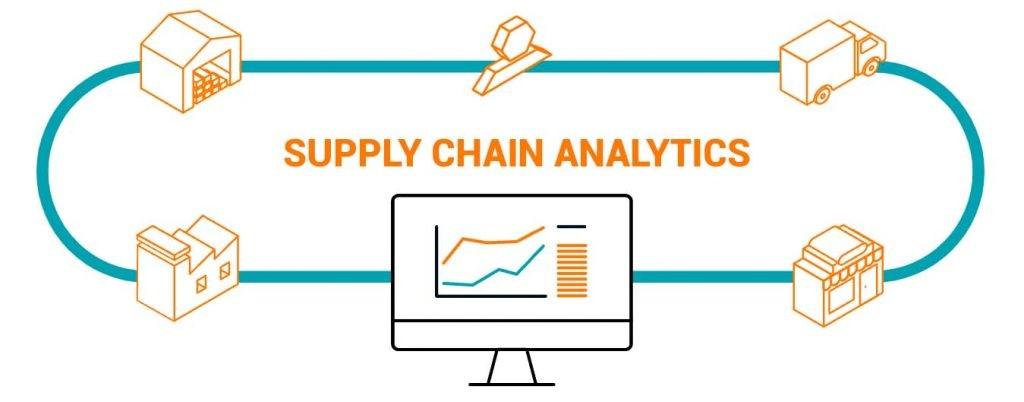
The modern landscape of Supply Chain Analytics Solutions is rich and varied, offering a spectrum of platforms and tools tailored to meet diverse organizational needs, budgets, and levels of technical maturity. At a high level, these solutions can be categorized by their deployment model. Traditional on-premises software involves installing and running the application on a company's own servers, offering maximum control and customization but requiring significant upfront investment and ongoing IT maintenance. In contrast, cloud-based Software-as-a-Service (SaaS) solutions have become the dominant model. These platforms are hosted by the vendor and accessed via a web browser on a subscription basis, offering faster deployment, lower initial costs, automatic updates, and scalability. Many organizations are also adopting a hybrid approach, keeping sensitive data on-premises while leveraging the cloud for its computational power and flexibility, creating a best-of-both-worlds environment.
Drilling down into the functionality, supply chain analytics solutions are typically composed of several interconnected modules, each designed to address a specific functional area. Demand planning and forecasting solutions use historical data and advanced algorithms to predict future customer demand, which is the foundational input for all other supply chain activities. Inventory management and optimization solutions provide tools to set optimal inventory levels across the network, balancing the costs of holding stock against the risk of stockouts. Logistics and transportation analytics modules focus on optimizing shipping routes, selecting the most cost-effective carriers, and tracking shipments in real-time to improve delivery performance. Procurement and supplier analytics solutions help organizations analyze spend, monitor supplier performance, assess supplier risk, and negotiate better contracts. A comprehensive platform will often integrate all these modules to provide a holistic view and enable cross-functional decision-making.
Beneath the user-facing dashboards and reports, these solutions are powered by a sophisticated technology stack. The foundational layer consists of data integration tools, such as Extract, Transform, Load (ETL) or Extract, Load, Transform (ELT) pipelines, which are responsible for pulling data from various source systems (like ERP, WMS, and TMS) and preparing it for analysis. This data is then stored in a centralized repository, which could be a traditional data warehouse for structured data or a more flexible data lake for handling both structured and unstructured data. The core of the solution is the analytics engine, which applies a range of techniques—from basic statistical analysis to complex machine learning algorithms and optimization models—to the data to generate insights. Finally, the visualization layer presents these insights to business users through interactive dashboards, scorecards, and reports, making the complex data understandable and actionable for decision-makers.
It is crucial to recognize that successful implementation is about more than just software; the services component is an equally critical part of the overall solution. Many organizations lack the in-house expertise to fully leverage advanced analytics tools on their own. Therefore, vendors and their consulting partners offer a wide range of services to ensure customer success. This often starts with strategic consulting to help a company define its goals, identify key performance indicators (KPIs), and develop an analytics roadmap. Implementation services then cover the technical work of integrating data sources, configuring the platform, and building the initial set of analytical models and dashboards. Finally, managed services and ongoing support can provide continuous monitoring, model refinement, and expert guidance, effectively acting as an extension of the customer's team and ensuring they derive long-term value from their investment.
Explore More Like This in Our Regional Reports:
Categorias
Leia mais
A home is one of the most significant investments a person can make, and the roof is its primary line of defense. When homeowners begin considering a major upgrade, they often look for inspiration from successful Roofing Projects in their neighborhood. Seeing a finished product that stands up to the local climate while enhancing the home's aesthetic provides a level of confidence that a simple...

Introduction The marine industry depends on accurate inspections and dependable underwater operations to protect infrastructure and maintain safety standards. ROV inspection services Canada provide a practical and efficient way to inspect underwater structures in challenging environments. Ven-Tech Subsea offers specialized underwater inspection and...

According to the latest report published by Data Bridge Market Research, the Fertility Services Market The global fertility services market was valued at USD 21.80 billion in 2024 and is expected to reach USD 39.46 billion by 2032 During the forecast period of 2025 to 2032 the market is likely to grow at a CAGR of 7.70%, primarily driven by the anticipated...

Preparing for International Opportunities The International English Language Testing System (IELTS) is one of the world's most recognized English proficiency exams. It is accepted by universities, employers, immigration authorities, and professional organizations in many countries. An effective "IELTS Course" helps learners strengthen their English language abilities while becoming familiar...

Incontinence Physiotherapy London – Expert Care at Zyloh Physio Living with bladder leakage or pelvic floor problems can affect your confidence, daily routine, and overall quality of life. At Zyloh Physio, we provide professional and compassionate Incontinence Physiotherapy London services designed to help both men and women regain control and improve pelvic...