Comprehensive vs Third-Party Car Insurance in Qatar: Which Is Better?
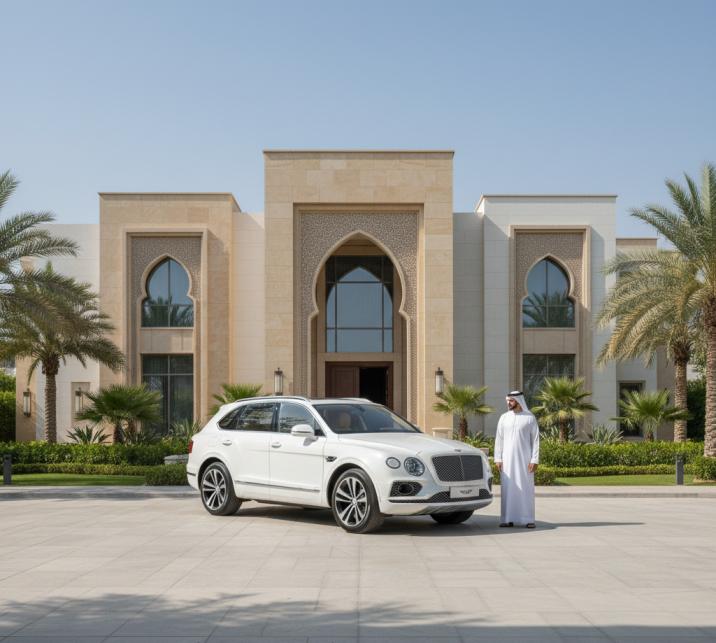
Buying a car in Qatar is an exciting milestone. Whether you’ve just purchased a sleek new SUV for desert adventures or a reliable sedan for the daily commute to West Bay, getting the keys is a moment of pride. But before you can legally drive off the lot, there is one critical hurdle to clear: insurance.
car insurance in Qatar, isn't just a safety net; it's a legal mandate. However, fulfilling the legal requirement doesn't necessarily mean you are adequately protected. Drivers face a pivotal choice between two main types of coverage: Third-Party Liability (TPL) and Comprehensive insurance. The difference between the two is vast, affecting everything from your annual premium to your financial liability in a crash.
Choosing the "better" option isn't as simple as picking the cheapest or the most expensive plan. It requires a clear understanding of what each policy covers, an honest assessment of your vehicle’s value, and a realistic look at your own risk tolerance. This guide dives deep into the TPL vs. Comprehensive debate, helping you navigate the jargon and make the smartest financial decision for your life on Qatar’s roads.
The Two Contenders: An Overview
Before dissecting the pros and cons, let’s establish the baseline. The Qatari insurance market is regulated by the Qatar Central Bank and the Traffic Department. While insurers offer various perks and add-ons, the core structure of policies falls into two distinct buckets.
1. Third-Party Liability (TPL)
This is the "bare bones" option. It is the minimum coverage required by Qatari law to register a vehicle. If you buy TPL, you are essentially ensuring that if you cause an accident, the other person gets paid. You are not protecting your own car.
2. Comprehensive Insurance
This is the "full package." It satisfies the legal requirement to cover others but goes a step further to protect your own asset. If you buy Comprehensive car insurance, you are ensuring that both the other person and you get paid (or repaired) after an accident, regardless of who is at fault.
Deep Dive: Comprehensive Insurance Explained
Comprehensive insurance is the gold standard for vehicle protection in Qatar. It is designed to shield the policyholder from the financial shock of owning and operating a vehicle in a busy environment.
What It Covers
The scope of a comprehensive policy is broad. It typically includes:
- Own Damage: This is the defining feature. If you crash into a wall, a lamppost, or another car, the insurance pays to repair your vehicle. You will usually have to pay a deductible (excess), but the bulk of the cost is covered.
- Theft: If your car is stolen, the insurer pays out the market value of the vehicle.
- Fire: Damage from accidental fire (mechanical or external) is covered.
- Vandalism: Malicious damage, such as keyed paintwork or smashed windows, is included.
- Third-Party Liability: It includes all the mandatory coverage for damage you cause to others.
The Hidden Benefits
Beyond the basic repairs, comprehensive policies often come with service perks that TPL policies lack.
- Agency Repair: For newer cars (typically up to 3-5 years old), you can opt for repairs to be done at the official dealership using genuine parts.
- Windshield Cover: Many comprehensive policies offer free windshield replacement without affecting your No-Claims Bonus.
- Personal Accident: It often includes coverage for the driver and passengers in the event of injury or death.
Who Is It Best Suited For?
Comprehensive insurance is the clear winner for:
- New Car Owners: If your car is less than 5 years old, preserving its value is crucial.
- Loan Holders: If you financed your car through a bank in Qatar, you likely have no choice. Banks almost always mandate comprehensive coverage to protect their collateral.
- High-Value Vehicles: If you drive a luxury car where a single headlight replacement could cost QAR 5,000, paying out of pocket is a huge risk.
- Risk-Averse Drivers: If the thought of a QAR 20,000 repair bill keeps you up at night, the higher premium for comprehensive cover is the price of peace of mind.
Deep Dive: Third-Party Liability (TPL) Explained
Third-Party Liability is the pragmatic, legally compliant choice. It focuses solely on your responsibility to the public.
What It Covers
TPL is strictly limited.
- Death or Bodily Injury to Third Parties: If you injure someone in an accident, the insurance covers their medical bills and compensation.
- Property Damage to Third Parties: If you hit another car, a shop front, or public property, the insurance pays for those repairs.
What It Specifically Excludes
The limitations are severe. TPL will never pay for:
- Your Repairs: Even if the accident was a minor fender bender that was your fault, you must pay 100% of your own repair costs.
- Your Medical Bills: You are responsible for your own treatment costs unless you have separate health insurance.
- Theft or Fire: If your car is stolen or burns down, you receive zero compensation. You lose the asset entirely.
- Natural Disasters: Damage from storms or floods is your problem to solve.
Who Is It Best Suited For?
Despite its limitations, TPL has a specific audience:
- Owners of Old Vehicles: If you drive a 10-year-old sedan worth QAR 8,000, paying QAR 1,500 a year for comprehensive insurance might not make mathematical sense. If the car is totaled, the payout would be minimal anyway.
- Cash Buyers: Since banks require comprehensive cover, TPL is only an option if you own the car outright.
- Budget-Constrained Drivers: If cash flow is tight, TPL offers the cheapest legal way to keep a car on the road.
Head-to-Head Comparison: Comprehensive vs. TPL
To decide which is better, you need to look at the trade-offs directly.
|
Feature |
Third-Party Liability (TPL) |
Comprehensive Insurance |
|---|---|---|
|
Protects Other Drivers? |
Yes |
Yes |
|
Protects Your Car (At-Fault)? |
No |
Yes |
|
Theft & Fire Coverage? |
No |
Yes |
|
Annual Premium Cost |
Low (Fixed rate usually) |
High (Percentage of car value) |
|
Deductible (Excess) |
None (since you pay repairs yourself) |
Yes (e.g., QAR 500 - QAR 1000) |
|
Add-Ons Available |
Limited (Roadside assist sometimes) |
Extensive (Off-road, Agency repair) |
|
Peace of Mind |
Low |
High |
The Cost Factor
This is usually the deciding factor for most people.
- TPL: Costs are generally fixed based on the number of cylinders in the engine. It is a flat fee, often ranging between QAR 400 and QAR 750 depending on the vehicle type.
- Comprehensive: Costs are calculated as a percentage of the car’s declared value. In Qatar, this rate typically hovers between 1.75% and 3.5%.
-
- Example: If your car is worth QAR 100,000, your premium might be QAR 2,500.
The Verdict on Cost: TPL is undeniably cheaper upfront. However, Comprehensive is potentially cheaper in the long run if you have even one significant accident.
Factors to Consider When Choosing
Which policy is "better" is subjective. It depends on your specific circumstances. Weigh these four factors before signing a policy document.
1. Vehicle Value and Age
There is a tipping point where comprehensive insurance stops being "worth it."
- The 10% Rule: A common rule of thumb is that if the annual premium costs more than 10% of the car's market value, you should consider switching to TPL.
- Depreciation: Cars in Qatar depreciate. A car you bought for QAR 80,000 five years ago might only be worth QAR 30,000 now. Re-evaluate your coverage type every year at renewal time.
2. Your Financial Resilience
Imagine you cause an accident tomorrow that causes QAR 15,000 worth of damage to your front end.
- Scenario A: You have TPL. You must find QAR 15,000 in your savings immediately to fix your car. Can you do that comfortably?
- Scenario B: You have Comprehensive. You pay a QAR 500 deductible. The insurer pays the remaining QAR 14,500.
If a large, unexpected repair bill would ruin your finances, TPL is too risky. Comprehensive insurance essentially acts as a way to smooth out your cash flow, converting a potential massive shock into a predictable annual fee.
3. Driving Habits and Location
Where do you drive?
- High Traffic: If you commute daily on busy roads like C-Ring or the Corniche during rush hour, your risk of a minor collision is statistically higher. Comprehensive cover is wiser here.
- Safe Parking: Do you park in a secure underground garage or on a dark street? Street parking increases the risk of vandalism, theft, or hit-and-run damage while you are away. TPL won't cover these "mystery dents."
4. Competency and Confidence
Be honest with yourself. Are you a new driver? Have you been in accidents before?
- New drivers are statistically more likely to be at fault in accidents. Therefore, they benefit more from comprehensive coverage.
- Experienced drivers with clean records might feel confident enough to risk TPL to save money, banking on their skill to avoid at-fault incidents.
Customizing Your Policy: The "Comprehensive Plus" Option
One argument for Comprehensive insurance is its flexibility. You can build a policy that fits your specific Qatar lifestyle using add-ons. TPL policies generally do not allow for this level of customization.
Crucial Add-Ons for Qatar
- Off-Road Cover: This is unique to the region. Standard comprehensive policies only cover paved roads. If you plan to drive into the dunes at Sealine or go camping at Zekreet, you must add off-road cover. Without it, flipping your Land Cruiser in the desert is a total financial loss, even with comprehensive insurance.
- Roadside Assistance: Qatar’s heat is unforgiving. A breakdown in July is dangerous. Adding roadside assistance ensures you get towing, battery jumps, and flat tire changes 24/7. While some TPL policies allow this as a standalone add-on, it is often bundled cheaply with comprehensive plans.
- GCC Cover: If you enjoy road trips to Saudi Arabia, Bahrain, or the UAE, you can extend your comprehensive policy to cover these trips. With TPL, you would likely have to buy temporary insurance at the border each time, which offers minimal protection.
- Rent-a-Car Benefit: If your car is in the shop for two weeks waiting for parts, how will you get to work? This add-on provides a rental car during the repair period. TPL policyholders are left to pay for taxis or rentals themselves.
Conclusion: Which Is Better?
So, who wins the battle?
Third-Party Liability is better if:
- You drive an old, low-value car (value < QAR 15,000).
- You own the vehicle outright (no bank loan).
- You have a healthy emergency fund to pay for repairs.
- You are on an extremely strict budget and cannot afford higher premiums.
Comprehensive Insurance is better if:
- You drive a car valued over QAR 20,000.
- Your car is financed by a bank.
- You cannot afford a sudden, large repair bill.
- You want protection against theft, fire, and vandalism.
- You want the convenience of dealership repairs and roadside assistance.
The Final Verdict
For the vast majority of expatriates and residents in Qatar driving modern vehicles, Comprehensive Insurance is the better choice.
The financial risks of driving on busy roads, combined with the high cost of vehicle repairs and parts in the region, make TPL a gamble that often doesn't pay off. The savings on the annual premium are quickly wiped out by a single cracked bumper or smashed windshield.
Think of insurance not as a cost, but as an asset protection strategy. Your car is likely the second most expensive thing you own after your home. Does it make sense to leave 100% of that value exposed to risk just to save QAR 1,000 a year? For most, the answer is a resounding no. Invest in comprehensive coverage, customize it to your needs, and drive with the confidence that you are prepared for whatever the road throws your way.
Categorias
Leia mais
We all know the drill. You want a specific feature from an app – maybe ad-free music, a tweaked interface, or extra tools that the official version hides behind a paywall. You head to Google Play, and… nothing. Or worse, the feature you want simply doesn't exist. That's where I discovered HappyMod – and it completely shifted my perspective on Android customization....
A half day desert safari is one of the best ways to enjoy Dubai’s desert without spending an entire day away from your schedule. It combines adventure, culture, and relaxation in a short trip that fits perfectly for families, couples, business travelers, and tourists with limited time. Whether you want thrilling dune rides or peaceful sunset views, a half day safari offers the complete...

Are you looking for the best escort services in Dubai? Book your perfect companion. Our escorts are friendly and professional and are available 24/7. They will contact you only after your booking is confirmed. We personally know most of our escorts and can recommend the best one for you. We are the best escort services in Dubai. We have elegant escorts and transgender escorts. You will find the...

Premium Residential Plots & Luxury Apartments in Raj Nagar Extension Ghaziabad Explore premium residential plots and luxury apartments in Raj Nagar Extension Ghaziabad. Discover modern living, excellent connectivity, and high investment potential with Baba Construction projects. Premium Residential Plots & Luxury Apartments in Raj Nagar Extension Ghaziabad A New Era of...
Body contouring has become one of the most sought-after aesthetic procedures for individuals looking to sculpt their bodies and achieve a toned, proportionate silhouette. With advances in technology and medical expertise, there are now multiple options available to help reduce stubborn fat, tighten loose skin, and enhance body confidence. Understanding Body Contouring Body contouring is not...