


The architecture of cloud foundation services

The architecture of cloud foundation services
The architecture of cloud foundation services is mainly divided into three layers, from bottom to top: IaaS (Infrastructure as a Service), PaaS (Platform as a Service), and SaaS (Software as a Service). Let me help you quickly clarify their respective characteristics and differences:
1、 IaaS (Infrastructure as a Service)
Core function: Provides basic resources such as computing, storage, and networking, allowing users to independently deploy operating systems and applications.
Typical scenario: Enterprises migrate their local servers to the cloud and independently manage software installation and configuration.
Representative vendors: Alibaba Cloud, Huawei Cloud, Microsoft Cloud, etc.
2、 PaaS (Platform as a Service)
Core function: Provide a development environment (such as programming languages and databases) based on IaaS, allowing users to focus on application development.
Typical scenario: Developers use cloud platforms to quickly build and deploy applications without managing underlying resources.
Representative vendors: Sina Cloud, Qiniu Cloud, iFlytek, etc.
3、 SaaS (Software as a Service)
Core function: Directly provide application software, which users can use through browsers or APIs without installation and maintenance.
Typical scenario: Enterprises use online tools such as Office 365 and Baidu Netdisk.
Representative manufacturers: Office 365, Baidu Netdisk, etc.
Simply put, IaaS is a 'bare shell', PaaS is a 'fully furnished', and SaaS is a 'ready to move in' solution. If you have specific scenarios or selection requirements, I can help you refine the analysis.
Catégories
Lire la suite
Executive Summary Ship Repair and Maintenance Services Market: Growth Trends and Share Breakdown The global ship repair and maintenance services market was valued at USD 29.16 billion in 2024 and is expected to reach USD 51.61 billion by 2032 During the forecast period of 2025 to 2032 the market is likely to grow at a CAGR of 7.5%, primarily driven by the aging global...

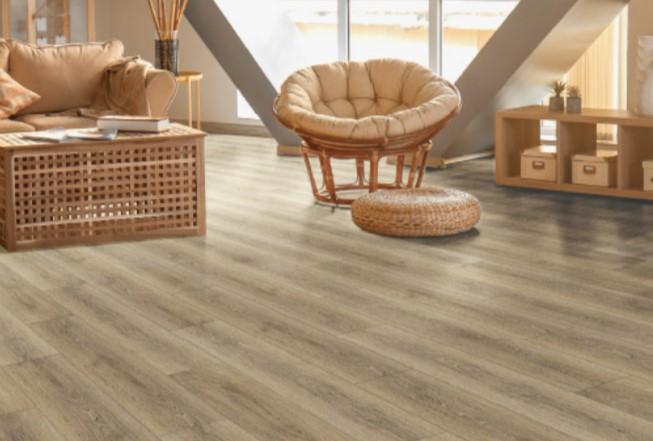
Looking for a flooring solution that combines style, durability, and affordability? LVT Flooring (Luxury Vinyl Tiles) is the perfect choice for modern homes and commercial spaces. Offering the look of natural wood or stone without the high cost, LVT is designed to withstand daily wear and tear while transforming any room into a beautiful, comfortable space. One of the biggest...
Knowing when your gas fireplace needs attention isn’t just about keeping your home cozy—it’s a crucial safety and efficiency matter. Ignoring minor problems can lead to costly damage or even hazardous situations. That’s why being aware of warning signs can save you time, money, and stress by prompting timely fireplace gas repair. What Are the Most Common Fireplace...
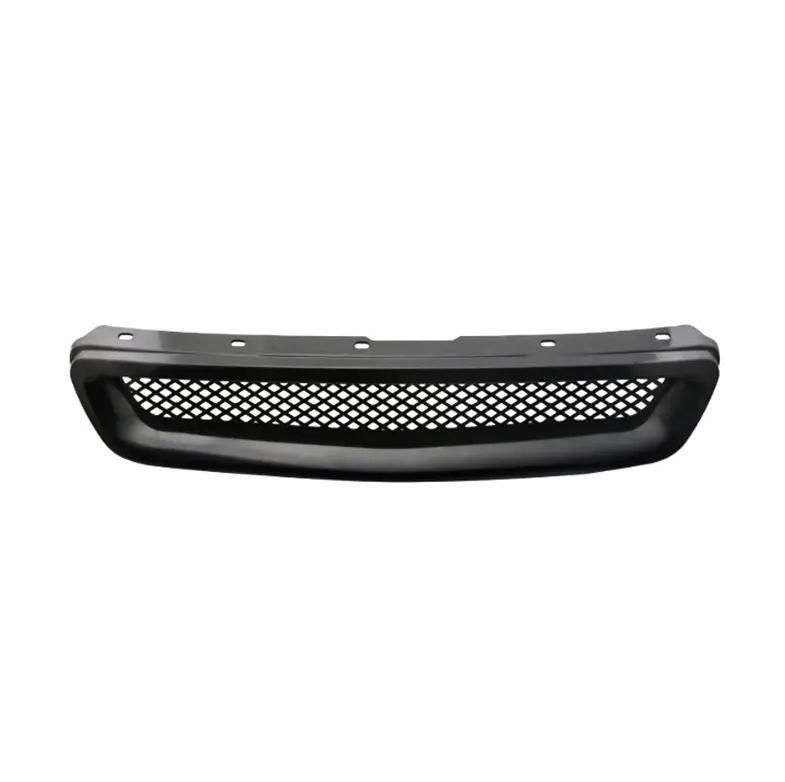
Upgrading a vehicle's front appearance goes beyond aesthetics. Custom Front Grille For All Vehicle Models offers a simple yet effective way to refresh a car's style while adding functional benefits. Unlike standard factory grilles, these customized grilles provide personalized designs, including honeycomb patterns, dot matrix textures, and carbon fiber finishes. Such options instantly transform...
In today’s fast-paced world, finding the perfect gift for your partner can be challenging. A Couples Massage Gift Card offers more than just a present—it provides a shared experience of relaxation, connection, and rejuvenation. Whether it’s for an anniversary, birthday, Valentine’s Day, or just because, this thoughtful gift can create lasting memories. Why Choose a...