WPC Cladding for Exterior: Transform Your Outdoor Spaces
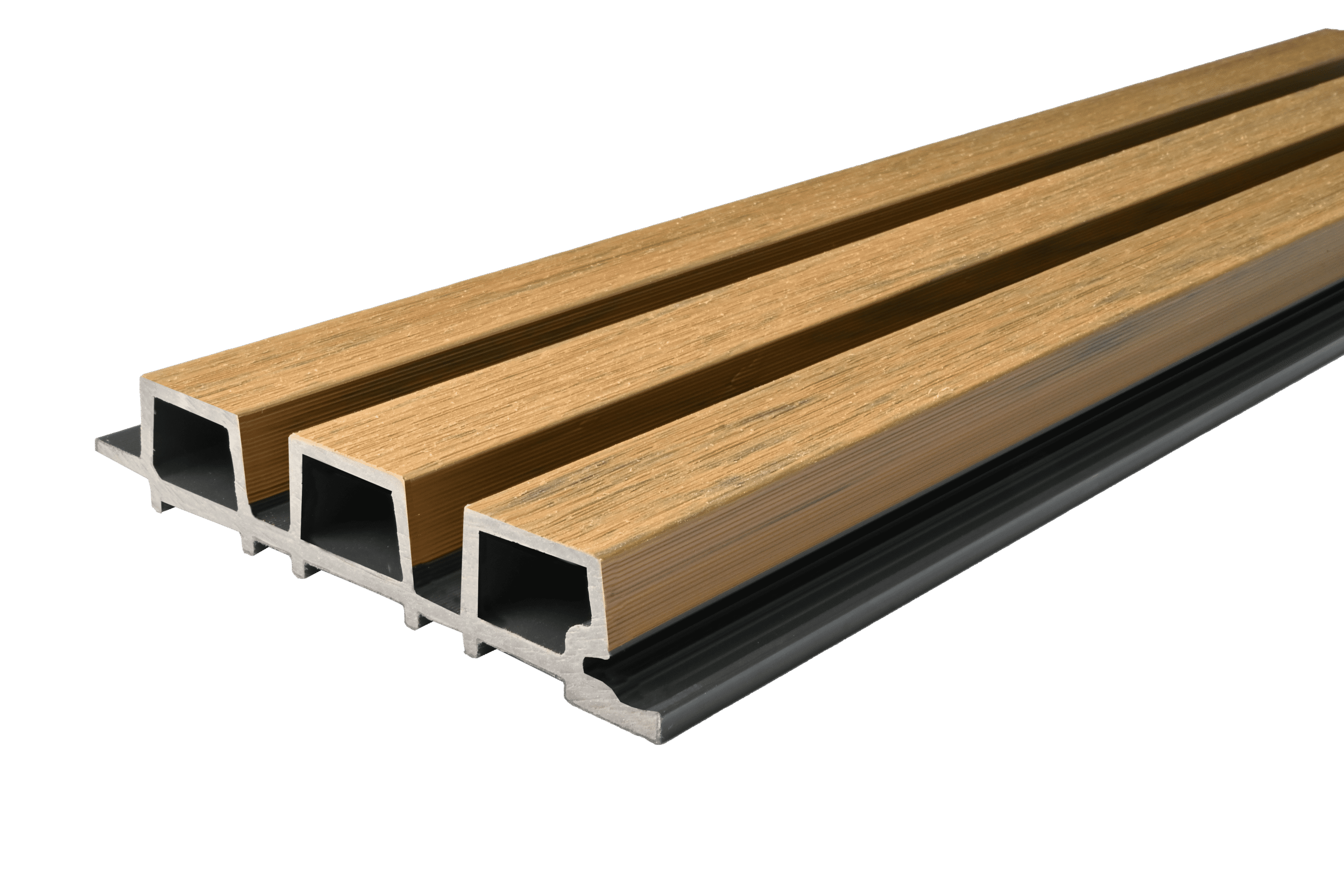
When it comes to upgrading your home’s exterior, choosing the right cladding material is crucial. Homeowners today are increasingly turning to WPC Cladding for Exterior due to its durability, low maintenance, and aesthetic appeal. WPC, or Wood Plastic Composite, combines the natural look of wood with the resilience of plastic, making it an ideal choice for modern homes and commercial buildings alike.
In this article, we’ll explore the benefits of WPC cladding, installation tips, design possibilities, and why it’s becoming the go-to solution for exterior wall finishes.
What is WPC Cladding?
WPC Cladding is made by blending wood fibers with thermoplastic materials, creating panels that offer the warmth of wood without its common drawbacks. Unlike traditional timber, WPC is resistant to moisture, rot, and insects, making it perfect for exterior applications.
These panels come in various finishes, colors, and textures, allowing architects and homeowners to achieve both contemporary and classic looks effortlessly. Additionally, WPC cladding is eco-friendly, as it often uses recycled materials, making it a sustainable choice for environmentally conscious projects.
Benefits of WPC Cladding for Exterior
1. Durability and Weather Resistance
One of the main reasons homeowners choose WPC Cladding for Exterior is its remarkable durability. Unlike wood, which can warp or crack over time, WPC panels are resistant to rain, UV rays, and temperature fluctuations. This ensures your exterior walls maintain their beauty for years without the need for frequent repairs.
2. Low Maintenance
Traditional wooden cladding requires regular painting, staining, or sealing. WPC cladding, however, is virtually maintenance-free. A simple wash with water and mild detergent is enough to keep it looking new. This makes it an excellent option for busy homeowners who want a stylish exterior without the constant upkeep.
3. Versatile Design Options
WPC panels come in a variety of colors, grains, and textures. Whether you prefer a rustic wood finish, sleek modern lines, or a combination of styles, WPC Cladding for Exterior can be customized to suit your aesthetic. This flexibility allows for creative architectural designs, making your property stand out.
4. Eco-Friendly Choice
Sustainability is a growing concern in construction. WPC cladding often incorporates recycled plastics and wood fibers, reducing the demand for virgin timber. Choosing WPC is a responsible decision that contributes to a greener environment.
Installation Tips for WPC Exterior Cladding
Proper installation is key to maximizing the lifespan and performance of WPC panels. Here are some essential tips:
· Prepare the Surface: Ensure the exterior wall is clean, dry, and smooth before installation.
· Use Quality Fixings: Stainless steel screws or clips are recommended to prevent corrosion.
· Leave Expansion Gaps: WPC expands and contracts with temperature changes. Always leave small gaps to accommodate movement.
· Follow Manufacturer Guidelines: Each WPC panel may have specific installation requirements. Adhering to these ensures optimal performance.
Hiring professional installers can also help achieve a flawless finish and reduce installation errors.
Design Ideas Using WPC Cladding
WPC cladding isn’t just practical—it’s highly aesthetic. Here are some creative ways to use it:
· Feature Walls: Create a striking focal point with contrasting panel colors.
· Mixed Materials: Combine WPC with glass or metal for a modern architectural look.
· Outdoor Spaces: Use WPC cladding to enhance patios, decks, or garden walls, providing a seamless indoor-outdoor flow.
· Commercial Buildings: Perfect for office facades, cafes, and retail outlets seeking a contemporary appearance.
Its adaptability makes WPC Cladding for Exterior suitable for both residential and commercial projects.
Why WPC Cladding is Better Than Traditional Wood
While wood has been a classic choice, it comes with its challenges. Moisture absorption, termite attacks, and frequent maintenance can be costly over time. WPC panels, in contrast:
· Don’t rot or splinter
· Are termite-resistant
· Require minimal upkeep
· Have longer lifespans
· Offer consistent quality and finish
This makes WPC a smart investment for homeowners looking for both beauty and durability.
Conclusion
Choosing the right material for your exterior walls can transform your property’s look and value. WPC Cladding for Exterior offers a perfect balance of aesthetics, strength, and sustainability. With low maintenance, a wide range of design options, and eco-friendly benefits, it’s no wonder that WPC is rapidly becoming a preferred choice for modern exteriors.
Upgrade your home today with WPC cladding and enjoy a beautiful, durable, and worry-free exterior.
FAQs About WPC Cladding for Exterior
Q1: How long does WPC cladding last?
A: With proper installation and maintenance, WPC cladding can last 15–25 years or more.
Q2: Can WPC cladding be painted?
A: Yes, WPC can be painted, but it often comes in a variety of pre-finished colors, reducing the need for painting.
Q3: Is WPC cladding waterproof?
A: WPC is highly water-resistant, making it ideal for outdoor use, but it’s not completely waterproof. Proper installation ensures maximum protection.
Q4: How much does WPC cladding cost?
A: Prices vary depending on quality, thickness, and finish, but WPC is generally cost-effective compared to high-quality timber.
Q5: Can WPC cladding be installed on any exterior surface?
A: Yes, it can be installed on concrete, brick, or timber surfaces, provided the surface is smooth and properly prepared.
Categorii
Citeste mai mult
Netflix's Strategic Shift: Focusing on Original Films and Exclusive Content Our subscribers have consistently expressed a desire for newer film offerings on our platform. We understand this sentiment completely. The traditional studio licensing model creates significant delays, often exceeding a year, before recently released theatrical films become available for streaming. We're...

Polaris Market Research has introduced the latest market research report titled Sovereign Cloud Market Size, Share, Trends, Industry Analysis Report: By Functionality (Data Sovereignty, Technical Sovereignty, and Operational Sovereignty), Deployment Mode, Industry Vertical, and Region (North America, Europe, Asia Pacific, Latin America, and Middle East & Africa) – Market...

Planning a camping trip requires the right equipment to ensure comfort, safety, and ease. Two pieces of equipment that are vital for any camping adventure are the Camping Tent and the Camping Cart. Both items serve different purposes but are equally important for your overall camping experience. A Camping Tent provides a sheltered space where you can sleep, store your belongings, and...

The global Polyphenol Market Size is valued at USD 2.19 billion in 2025 and is projected to reach USD 3.53 billion by 2033, growing at a compound annual growth rate (CAGR) of 6.16% during the forecast period from 2026 to 2033. The market is experiencing steady expansion driven by increasing consumer awareness regarding health, nutrition, and preventive healthcare. Polyphenols, known...

Gardening darlings and house proprietors for distinctive purposes regularly see for tried and true ways to ensure their outside places from climate wonders. Waterproof canvas Tarpaulin sheets have earned appreciation from all sides, whether it is for cultivating or any other open air movement. This article is composed to survey the numerous picks up and employments of these great covers,...