


Choosing the Right Deba Knives Size for Your Kitchen Needs
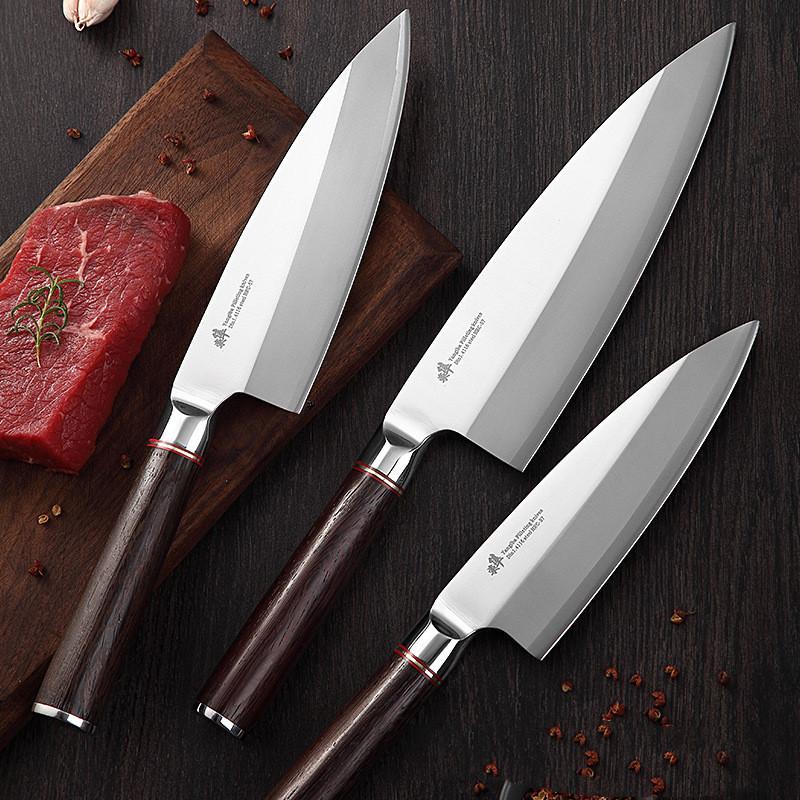
Selecting the perfect blade for processing whole fish requires understanding how traditional Japanese cutlery functions within a modern culinary space. While many home cooks focus on general utility blades, the heavy spine and single-bevel edge of this specific tool make it an essential addition for seafood enthusiasts. Finding the ideal length ensures that you can handle everything from small mackerel to large salmon without struggling against the weight of the metal. If you choose correctly, you will find that Deba Knives provide the necessary heft to sever bones cleanly while maintaining the precision needed for delicate filleting tasks.
Understanding the Anatomy of Traditional Japanese Fish Knives
The construction of these blades is significantly different from the thin, flexible filleting tools commonly found in Western kitchens. A thick spine provides the structural integrity required to apply pressure when cutting through fish heads or tough cartilage. Because the weight of Deba Knives assists in the cutting motion, the user does not need to apply excessive physical force during the breakdown process. This design philosophy emphasizes efficiency and minimizes hand fatigue during long sessions of seafood preparation. By mastering the balance between the heavy heel and the pointed tip, a chef can transition seamlessly between heavy chopping and fine detail work.
Small Blades for Delicate Seafood Tasks
When your primary focus involves smaller species like sardines or trout, a compact blade length of around 105mm to 120mm is often the most practical choice. Using smaller Deba Knives allows for incredible agility when navigating tight spaces around the ribcage of a small fish. These shorter versions are frequently referred to as Ko-Deba, and they excel in home kitchens where counter space might be limited. Their lightweight nature makes them approachable for beginners who feel intimidated by the mass of larger professional models. You will appreciate the nimbleness they offer when performing intricate tasks that require a high degree of tactile feedback.
The Versatility of the Standard Medium Length
A blade measuring between 150mm and 165mm is widely considered the "sweet spot" for the average domestic cook or enthusiast. Most home-prepared fish fall into a size category that is perfectly managed by medium Deba Knives without feeling overly cumbersome or insufficiently powerful. This length provides enough reach to clear the width of a standard sea bass while remaining easy to sharpen on a whetstone. It serves as a reliable bridge between specialized small tools and the heavy-duty gear used in commercial sushi bars. Owning this size ensures you are prepared for the majority of seafood challenges encountered in daily cooking.
Heavy Duty Options for Large Species
If you frequently find yourself processing large salmon, snapper, or yellowtail, a blade length of 180mm to 210mm becomes a necessary requirement for success. The additional mass found in these larger Deba Knives ensures that the blade does not get stuck halfway through a thick spine or a dense head. Professional fishmongers often rely on these substantial tools because the increased surface area of the bevel allows for flatter, smoother fillets. While they require more wrist strength to control, the momentum they carry makes short work of heavy skeletal structures. Investing in a larger size is essential for anyone serious about bulk seafood processing.
Matching Blade Weight to Your Hand Strength
Physical comfort is a critical factor that many people overlook when browsing through various cutlery specifications online. Because of the extreme thickness of the steel, the weight of Deba Knives can vary significantly even between models of the exact same length. You should consider how the tool feels in your grip, as a blade that is too heavy will lead to sloppy cuts and potential safety hazards. A well-balanced knife should feel like an extension of your arm rather than a heavy weight dragging your wrist down. Selecting a handle material that offers a secure grip further enhances your control over the heavy steel.
The Role of Single Bevel Geometry
The unique sharpening style of these tools is what gives them their legendary reputation for clean, surgical-like separation of flesh from bone. Unlike double-edged blades, the flat back side of Deba Knives creates a vacuum-like effect that helps the meat pull away from the skeleton effortlessly. This geometry means that the knife will naturally want to steer in one direction, requiring a slight adjustment in your cutting technique. Once you adapt to this movement, you will find that the precision offered is far superior to any symmetrical blade. Understanding this mechanical advantage helps you appreciate why choosing the correct size is so vital for performance.
Storage and Maintenance for Longevity
High-carbon steel is the traditional material for these tools, meaning they require diligent care to prevent rust and maintain their razor-sharp edges. After you finish using your Deba Knives, it is imperative to wash them by hand and dry them immediately with a soft cloth. Storing them in a wooden sheath or a dedicated knife block protects the brittle edge from chipping against other metal utensils. Regular honing on high-grit whetstones is the only way to preserve the specific angle required for efficient fish butchery. Proper maintenance ensures that your investment remains a functional piece of culinary art for many decades of service.
Comparing Professional and Entry Level Models
The price range for Japanese fish knives can be vast, often reflecting the quality of the steel and the reputation of the blacksmith. While professional chefs might opt for blue steel or white steel for their edge retention, beginners might prefer stainless-clad Deba Knives for easier maintenance. High-end forged models offer a soul and character that mass-produced versions simply cannot replicate, though both styles serve the same fundamental purpose. You must decide whether you value the ease of stainless steel or the extreme sharpness of traditional carbon. Regardless of your budget, focusing on the correct size remains the most important factor for practical utility.
Why Quality Steel Matters for Fish Butchery
The type of metal used in construction dictates how long the blade will stay sharp when repeatedly striking against hard fish bones. When manufacturers use premium high-carbon alloys in Deba Knives, the result is a tool that can be polished to a mirror finish and an atom-splitting edge. Lower quality steels may roll or dull quickly, forcing you to stop your work frequently for touch-ups on the stone. A hard steel core allows for a thinner edge at the very tip of the bevel, which is where the most delicate slicing occurs. Choosing quality materials ensures that your knife performs consistently during the most demanding kitchen tasks.
Final Considerations for Your Purchase
Before making your final decision, visualize the types of seafood you prepare most often and the physical space available on your cutting board. The most expensive tool in the world will not serve you well if it is too large for your workspace or too heavy for your grip. By focusing on the specific measurements and weights of various Deba Knives, you can find a companion that transforms fish preparation from a chore into a craft. Take your time to research different brands and handle shapes to ensure a perfect ergonomic fit. A well-chosen knife will eventually become your most trusted partner in the pursuit of culinary excellence.
Categorieën
Read More
Benzalkonium Chloride, widely known as BKC, is one of the most versatile chemicals used across industrial and household applications. From disinfectants to detergents, BKC plays a critical role in cleaning, sanitising, and maintaining hygiene standards. Swadesh India Chemical Pvt Ltd offers high-quality BKC 50 and BKC 80 solutions, catering to a wide range of industries...

Maintaining optimal oral hygiene often requires more than just brushing and flossing. Synadentix offers a natural, easy-to-use supplement designed to enhance your daily dental care routine. Focused on strengthening teeth, improving gum health, and promoting fresh breath, Synadentix provides a holistic approach to oral wellness. In this post, we’ll dive into...

En 2025, le marché des paris sportifs en France est plus dynamique que jamais. Avec une offre de bookmakers légaux toujours plus riche, les parieurs disposent aujourd’hui sites de paris sportifs 2026 plateformes performantes, sécurisées et adaptées à tous les profils, du débutant au joueur confirmé. Mais face à cette...
TikTok has taken the world by storm, offering millions of short videos that entertain, educate, and inspire. While browsing the app is fun, many users wish they could save their favorite videos to watch offline or use in personal projects. ZappTik is a free, fast, and secure TikTok video downloader designed to make this simple. It allows users to download TikTok videos in HD quality without...
"Future of Executive Summary Clinical Trial Supplies Market: Size and Share Dynamics The global clinical trial supplies market size was valued at USD 3.82 billion in 2024 and is expected to reach USD 7.29 billion by 2032, at a CAGR of 8.40% during the forecast period To thrive in this rapidly transforming marketplace, today’s businesses call for...