How Do Environmental Chambers Work and What Are Their Various Applications in Different Sectors
Introduction
As businesses experience a rapid transformation due to technological breakthroughs, guaranteeing a product's performance and dependability is more important than ever. The challenge for manufacturers is creating goods that resist harsh environmental conditions, from electronics to vehicle components. Environmental test chambers become extremely useful tools in this situation. With cutting-edge technology, these customized chambers allow for the thorough testing of products in diverse environmental settings. In this essay, we dig into the world of environmental test chambers and examine their relevance, distinctive qualities, and their crucial function in assuring contemporary inventions' reliability and long-term viability.
What are environmental test chambers?
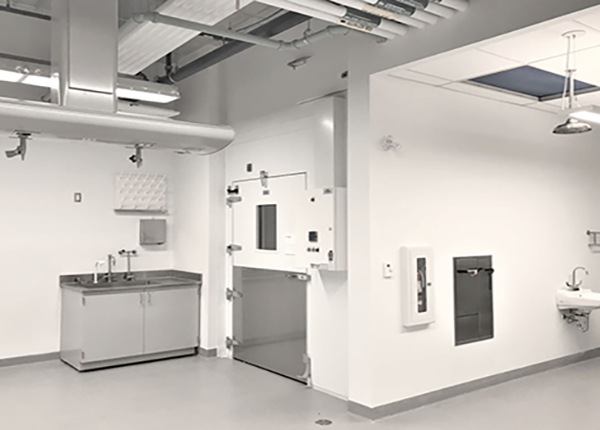
Environmental test chambers are expertly crafted containers that accurately reproduce various environmental factors, including temperature, humidity, vibration, and altitude. They are made to mimic real-world situations, enabling producers to assess the performance and dependability of their goods in safe settings. These chambers offer crucial insights into a product's capacity to withstand difficult conditions, from testing the resistance of materials to corrosive environments to evaluate the endurance of electrical gadgets at severe temperatures.
Primary applications of environmental chambers
Environmental test chambers are frequently used in the electronics sector. Electronic devices are exposed to various environmental pressures as they get smaller and more complicated. Manufacturers use environmental test chambers to simulate these stresses to ensure that products can resist the temperature changes, humidity levels, and vibration experienced during transportation, storage, and use. Electronic component manufacturers can find potential vulnerabilities and design defects by putting them through harsh circumstances, improving product quality and dependability.
The automotive industry is another one that extensively depends on environmental test chambers. Extreme temperatures, high humidity, and vibration are just a few of the climatic conditions that modern automobiles must contend with. Automotive manufacturers can thoroughly test car parts, such as engines, brakes, and electrical systems, in environmental test chambers that mimic real-world circumstances. This testing assists in spotting potential problems, evaluating performance, and confirming adherence to safety and quality standards. Automotive manufacturers may increase the longevity and endurance of their goods by using environmental test chambers, ultimately giving customers safer and more dependable automobiles.
Environmental test chambers are also widely used by the aerospace and defence industries to assess the efficiency and dependability of their apparatus. Extreme temperatures, low pressure, and high humidity are just a few challenging circumstances that military equipment, satellite systems, and aircraft parts must resist. Manufacturers can find weaknesses, enhance designs, and guarantee that the equipment operates flawlessly, even in the most challenging situations, by putting these components through thorough testing in environmental test chambers. These chambers are essential for ensuring the security and dependability of aerospace and defence systems, which helps missions succeed and protect people's lives.
Environmental test chambers are unique because they can accurately and precisely duplicate very particular environmental conditions. Manufacturers can program these chambers to imitate various conditions, including temperature, humidity, and altitude changes. This adaptability enables thorough product testing and evaluation in settings that closely match real-world scenarios. Advanced environmental test chambers also provide characteristics like quick temperature changes, fine humidity control, and the capacity to mix various stresses. With the help of these capabilities, producers can carry out intricate and dynamic testing that gives them a thorough grasp of how products behave in different environmental settings.
Environmental test chambers also assist firms in creating more environmentally friendly products, which helps with sustainability efforts. Manufacturers can pinpoint areas for improvement in energy efficiency, material selection, and overall environmental effect by exposing items to environmental pressures in controlled chambers. Thanks to this, they can improve designs, enhance performance, and lessen the carbon footprint of their products. Environmental test chambers are crucial in advancing the development of greener and more sustainable technology in a world increasingly concerned with sustainability.
Conclusion
The manufacturers of environmental rooms are expected to play a bigger role in the future. The demand for extensive testing in many environmental settings will only increase as technology develops and products become more complicated. Environmental test chambers will guarantee the dependability, efficiency, and security of cutting-edge technologies like driverless vehicles, smart devices, and renewable energy sources. These chambers will continue to develop to address the constantly changing needs of industries and facilitate the creation of cutting-edge, sustainable solutions.
Environmental test chambers are crucial instruments for producers who want to ensure the performance and dependability of their goods. These chambers enable rigorous testing under controlled environmental conditions, offering critical insights into product durability and resilience for various industries, including electronics, automotive, aerospace, and defence. Environmental test chambers foster innovation, improve product quality, and pave the way for a more dependable and environmentally responsible future for all industries thanks to their accuracy, cutting-edge features, and contribution to sustainability.
Catégories
Lire la suite
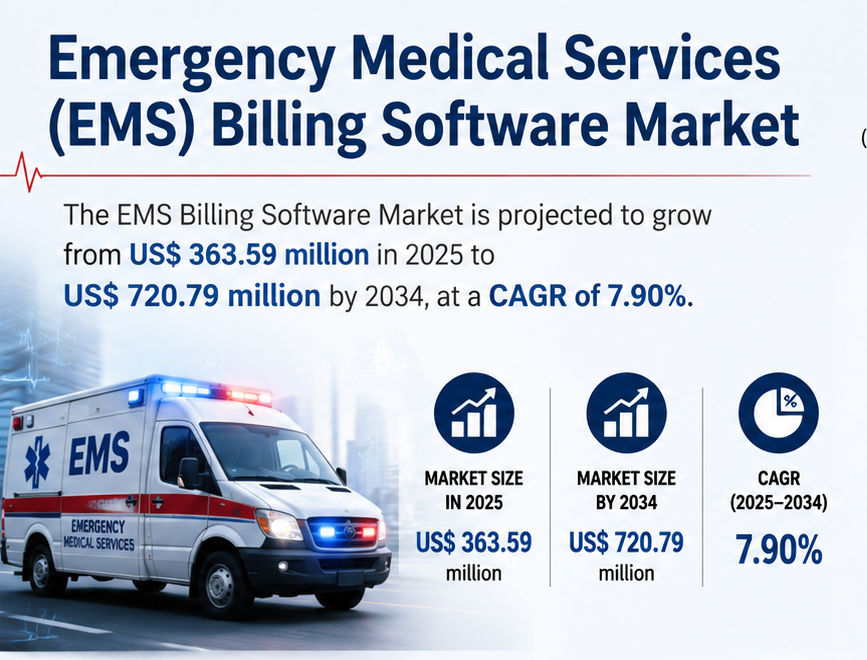
The Emergency Medical Services billing software is a specialized digital platform designed to streamline billing, claims management, reimbursement tracking, patient invoicing, coding compliance, and revenue cycle management for ambulance providers, emergency healthcare organizations, and medical transport companies. Market Size, Share And Trends The global emergency medical services (EMS)...
Many people maintain a healthy lifestyle with regular exercise and balanced nutrition but still struggle with stubborn pockets of fat that refuse to disappear. These areas can affect body proportions and make it difficult to achieve the shape they desire. This is where Liposuction Surgery in Dubai has become a popular body contouring option for individuals looking to refine their...

Deep within their hearts, humans mostly want to lead a life full of joy constantly and live forever. Though, on the flip side, life throws numerous hurdles at them including work, family, and school. This kind of pressure from life is another issue that consumes most of our invaluable time. The turning point where Wellness Coach Canada shows the light. A wellness coach supports the client and...

The Impact of the "Hybrid Events and Experiential Marketing" Movement on the Market Market Overview The global events industry is undergoing a profound transformation driven by the rise of hybrid events, the growth of experiential marketing, and an increased focus on sustainability. At the heart of this transformation is event logistics, the specialized service that enables the seamless...

The Machine-to-Machine (M2M) satellite communication solution market is poised for significant growth by 2034. As industries increasingly rely on real-time data and connectivity, the demand for robust communication solutions continues to rise. This report delves into the key market drivers, opportunities, and major players shaping the M2M satellite communication landscape. The global M2M...