Why TNMG Tool Holder Is a Cost-Effective Turning Solution
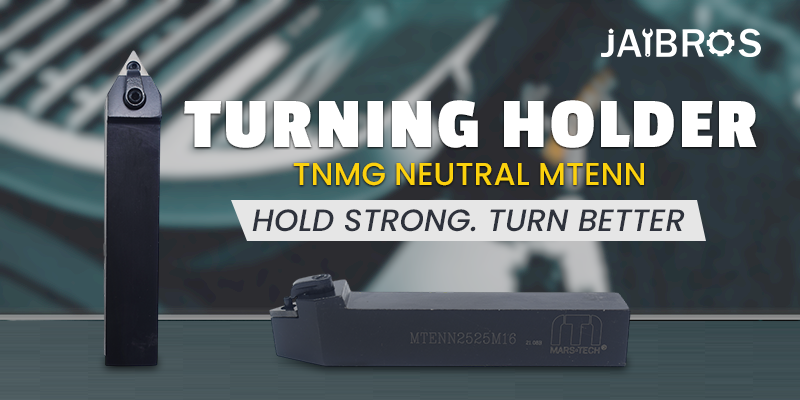
Discover how the TNMG tool holder reduces turning costs through longer insert life, stable cutting, and efficient CNC machining performance.
How the TNMG Tool Holder Helps Reduce Turning Costs
In modern CNC machining, controlling production costs without compromising performance is a constant challenge. Turning operations, in particular, demand tools that can deliver consistent results while keeping tooling expenses under control. This is where the tnmg tool holder has proven to be a highly economical solution for a wide range of turning applications.
Designed to work with robust triangular inserts, TNMG-based systems offer a balance of durability, efficiency, and versatility. Their widespread adoption across industries is not accidental but the result of measurable cost benefits in daily machining operations.
Understanding Cost Efficiency in Turning Operations
Cost efficiency in turning is not limited to the initial price of a cutting tool. It includes several factors such as tool life, insert utilization, machine downtime, setup time, and overall productivity. A turning solution that reduces tool changes, minimizes scrap, and maintains stable cutting conditions directly contributes to lower production costs.
The tnmg tool holder supports these goals by enabling aggressive cutting while maintaining insert stability. Its design allows machinists to maximize output without frequently replacing tooling components.
Multiple Cutting Edges Reduce Insert Costs
One of the biggest contributors to cost savings is the TNMG insert design. TNMG inserts are double-sided and feature six usable cutting edges. This means a single insert can be indexed multiple times before replacement.
When paired with a compatible tnmg insert tool holder, operators can quickly rotate the insert to a fresh cutting edge, extending usability and reducing insert consumption. Over long production runs, this significantly lowers tooling expenses compared to single-edge insert systems.
Strong Insert Geometry Improves Tool Life
The triangular shape of TNMG inserts combined with negative rake geometry makes them exceptionally strong. This strength allows them to withstand heavy cutting forces, especially during rough and medium turning operations.
The tnmg tool angle plays an important role here. The negative rake and edge orientation help distribute cutting forces evenly, reducing localized stress and preventing premature chipping. Longer tool life means fewer insert changes, lower labor costs, and improved machine utilization.
Reduced Machine Downtime and Faster Setup
Every tool change or adjustment results in machine downtime, which directly affects productivity. TNMG-based turning systems are designed for ease of use, allowing quick insert indexing and secure clamping.
A rigid tnmg tool holder ensures consistent insert positioning after every change, eliminating the need for repeated tool offsets or trial cuts. This reliability speeds up setup times and keeps machines running longer, improving overall shop efficiency.
High Material Removal at Lower Cost
Material removal rate is a key performance indicator in turning operations. TNMG inserts are capable of handling higher feed rates and deeper cuts, making them ideal for cost-conscious machining environments.
The tnmg tool is particularly effective in rough and semi-rough turning, where removing excess material quickly reduces cycle time. Faster machining translates into lower energy consumption per part and increased throughput, both of which contribute to cost savings.
Versatility Across Materials and Applications
Another reason TNMG systems are considered cost-effective is their versatility. TNMG inserts are available in a wide range of grades and coatings, allowing them to machine different materials using the same tool holder.
Whether working with carbon steel, alloy steel, or cast iron, manufacturers can adjust cutting parameters and insert grades instead of investing in separate tooling systems. The stable geometry and consistent tnmg angle allow predictable performance across various manufacturing conditions.
Consistent Performance in High-Volume Production
In high-volume production environments, consistency is just as important as speed. Unpredictable tool wear or sudden failures can lead to rejected parts and increased costs.
The tnmg tool holder offers excellent rigidity, reducing vibration and maintaining dimensional accuracy throughout long machining cycles. This consistency minimizes scrap rates and ensures uniform part quality, helping manufacturers maintain tight cost controls.
Lower Inventory and Tool Management Costs
Standardization is another hidden advantage of TNMG tooling systems. Because TNMG inserts and holders are widely used, shops can reduce the variety of tooling they need to keep in inventory.
Using a single tnmg tool holder across multiple machines and jobs simplifies tool management, reduces storage requirements, and lowers capital investment in tooling. This standardization is especially beneficial for small and medium-sized workshops.
Reliability in Tough Machining Conditions
Machining conditions are not always ideal. Interrupted cuts, variable material hardness, and inconsistent stock sizes can increase tool wear and breakage.
The robust clamping and insert support provided by a tnmg tool holder help maintain cutting stability even in challenging situations. This reliability reduces unexpected tool failures, which can be costly in terms of machine damage and production delays.
Why Manufacturers Choose TNMG for Long-Term Savings
While the initial investment in quality tooling is important, long-term operational savings matter more. TNMG systems deliver these savings by combining long insert life, reduced downtime, faster machining, and consistent performance.
Manufacturers looking for predictable machining costs often standardize TNMG tooling because it offers a proven return on investment over time.
FAQs
1. Why are TNMG inserts considered economical?
TNMG inserts offer multiple cutting edges, allowing users to index the insert several times before replacement, which reduces overall insert costs.
2. How does insert geometry affect machining cost?
Strong insert geometry improves tool life and allows higher cutting parameters, reducing cycle time and tooling expenses.
3. Can TNMG tooling be used for different materials?
Yes, TNMG inserts are available in various grades suitable for steel, cast iron, and other common machining materials.
4. Does negative rake geometry increase power consumption?
Negative rake geometry may require slightly higher cutting forces, but it improves edge strength and tool life, resulting in overall cost efficiency.
5. Are TNMG systems suitable for small workshops?Yes, their versatility, durability, and cost savings make them suitable for both small shops and large production facilities.
Conclusion
Achieving cost efficiency in turning operations requires a balance between performance, durability, and operational simplicity. The tnmg tool holder delivers on all these fronts by supporting strong inserts, reducing tool changes, and enabling high material removal rates. Its ability to lower tooling costs while maintaining consistent machining quality makes it a smart choice for manufacturers focused on long-term savings.
Jaibros offers a reliable range of turning tool holders and inserts engineered to meet modern machining demands. With a focus on quality, precision, and durability, Jaibros supports industries in achieving efficient and cost-effective CNC turning solutions.
Nach Verein filtern
Read More
The demand for mobile game development services has increased rapidly as mobile gaming continues to dominate the global entertainment market. With smartphones becoming more powerful and accessible, users expect high-quality games that deliver engaging experiences, smooth performance, and innovative features. Businesses, startups, and entrepreneurs are looking at professional mobile game...

The smartphone market in the UAE moves fast. Shoppers in Dubai’s bustling electronics souks, Abu Dhabi’s malls, or online marketplaces are always on the lookout for the best Samsung mobile price in UAE. Whether you’re trading up from an older phone, hunting for a budget-friendly Galaxy, or seeking a powerful flagship for work and gaming — now is a very good time...

In today’s education and professional landscape, titles play a powerful role in building credibility and opening new career opportunities. One of the most frequently asked questions is: What is the difference between an honorary doctorate and a PhD, and which one holds more value? To answer this clearly, it is important to understand what each represents, how they are obtained, and their...

This On-Call Road Assistance Market report has been prepared by considering several fragments of the present On-Call Road Assistance market and upcoming market scenario. The market insights gained through this market research analysis report facilitate a clearer understanding of the market landscape, issues that may interrupt in the future, and ways to position brands...
Warner Bros.' opening weekend figures for "Harry Potter and the Sorcerer’s Stone" ultimately reached $90,294,621 ' This sum slightly surpassed Universal’s "The Lost World: Jurassic Park" four-day Memorial Day record of $90,161,880 set in 1997 ' Sunday projections were overestimated by approximately 3%, aligning with typical recent weekly variances ' Friday’s final earnings...