Top End Mill Cutter Features That Improve Machining Accuracy
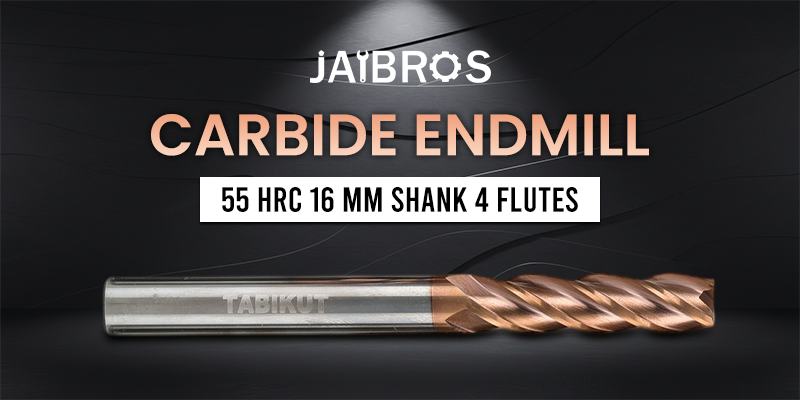
Discover key end mill cutter features that improve machining accuracy, surface finish, and dimensional control in CNC milling operations.
How End Mill Cutter Features Enhance Machining Accuracy
Machining accuracy is one of the most critical requirements in modern manufacturing. Industries such as aerospace, automotive, mold making, and precision engineering depend on extremely tight tolerances to ensure part performance and reliability. Among the various milling tools used in these sectors, the end mill cutter plays a decisive role in achieving dimensional accuracy, surface consistency, and repeatable machining results. While machine capability and programming are important, the design and features of the cutting tool itself often determine the final outcome.
Importance of Tool Design in Accurate Machining
Accuracy in machining refers to how closely a finished component matches its intended design specifications. Even a high-end CNC machine can struggle to maintain precision if the cutting tool lacks proper rigidity or geometry. A well-engineered end mill cutter maintains stable contact with the workpiece, reduces vibration, and ensures uniform material removal throughout the cutting process.
Tool design affects how cutting forces are distributed, how heat is generated, and how chips are removed. When these elements are controlled effectively, the result is better dimensional stability and improved surface quality.
Cutting Edge Geometry and Precision Control
One of the most influential features affecting machining accuracy is cutting edge geometry. A sharp and consistently ground cutting edge allows the tool to cut cleanly through the material rather than pushing or tearing it. This reduces cutting forces and minimizes tool deflection, which is a common cause of dimensional errors.
Uniform edge geometry also ensures consistent chip formation, which helps maintain smooth cutting action. In finishing operations, where even minor deviations can lead to rejection, precise edge geometry becomes especially important.
Flute Design and Its Effect on Stability
Flute design plays a major role in accuracy by controlling chip evacuation and tool rigidity. When chips are removed efficiently, the cutting edge remains engaged with fresh material rather than re-cutting debris. Poor chip evacuation can lead to built-up edges, heat accumulation, and surface damage.
Helix angle is another important aspect of flute design. A balanced helix angle enables gradual tool engagement, reducing vibration and improving cutting stability. This stability is essential for contouring, slotting, and profile milling operations that demand high precision.
Tool Material and Structural Rigidity
The material from which a cutter is made has a direct impact on stiffness and wear resistance. Solid carbide tools are widely preferred in precision machining because they offer higher rigidity compared to traditional materials. Increased rigidity means less bending under load, which directly translates into better dimensional accuracy.
In long machining cycles, rigid tools maintain their shape and cutting effectiveness, ensuring consistent results from the first part to the last. This is why a high-quality end mill cutter is often considered an essential investment in precision-focused industries.
Role of Tool Coatings in Accuracy Maintenance
Advanced tool coatings are not only designed to extend tool life but also to preserve accuracy during machining. Coatings reduce friction between the tool and workpiece, lowering heat generation and cutting resistance. Reduced heat helps prevent thermal expansion, which can otherwise distort both the tool and the component being machined.
Over time, coated tools retain their cutting edge geometry more effectively than uncoated tools. This allows manufacturers to maintain tight tolerances over longer production runs without frequent tool changes.
Corner Strength and Edge Durability
The design of the tool corner significantly influences machining stability. Sharp corners are vulnerable to chipping, particularly when machining hard materials or performing interrupted cuts. A slightly reinforced corner design distributes cutting stress more evenly, improving edge strength and tool life.
Stronger corners reduce the risk of sudden tool failure and help maintain smooth tool paths. This contributes to consistent accuracy, especially in mold and die applications where surface quality and dimensional control are critical.
Precision Manufacturing and Runout Control
No matter how advanced a tool’s design is, accuracy cannot be achieved without precise manufacturing. High-quality tools are produced using advanced grinding processes that ensure exact dimensions and minimal runout. Runout causes uneven cutting forces, leading to poor surface finish and dimensional errors.
Precision-ground tools maintain concentricity and balance, allowing stable rotation at high speeds. This manufacturing precision directly supports accurate machining outcomes and improved repeatability.
Shank Design and Tool Holding Stability
The shank connects the cutting tool to the machine spindle, making its design crucial for accuracy. A poorly ground shank can introduce vibration and misalignment, affecting cutting precision. Well-designed shanks ensure secure clamping and stable power transmission from the spindle to the cutting edge.
Stable tool holding reduces micro-movements during machining, allowing the tool to follow programmed paths more accurately. This stability becomes increasingly important in high-speed and multi-axis machining operations.
Size Selection and Accuracy Optimization
Tool diameter has a significant influence on machining accuracy. Smaller tools are typically used for intricate features and fine details, while larger tools offer increased rigidity for heavier cuts. A 3mm end mill cutter is commonly chosen for detailed machining work, whereas a 10mm end mill cutter provides a balanced combination of stability and material removal capability.
Selecting the correct tool size for the application reduces deflection and ensures better control over dimensional accuracy.
Indexable Tool Design and Repeatable Accuracy
In high-production environments, indexable end mill cutter designs offer a practical solution for maintaining consistent accuracy. Replaceable inserts are manufactured to tight tolerances, ensuring that tool geometry remains consistent even after insert changes.
This consistency allows manufacturers to maintain predictable cutting performance while reducing downtime and tooling costs. Indexable designs are widely used in automotive and heavy engineering industries where repeatability is critical.
Heat Control and Dimensional Stability
Heat generation during machining is a major factor that affects accuracy. Excessive heat can cause both the tool and workpiece to expand, leading to dimensional deviations. Modern cutter designs focus on efficient chip evacuation and reduced friction to manage heat effectively.
A thermally stable end mill cutter maintains its geometry under continuous operation, helping ensure consistent accuracy throughout the machining process.
Cost Considerations and Accuracy Value
While end mill cutter price is often a deciding factor during tool selection, focusing solely on initial cost can be misleading. Tools designed for accuracy may have a higher upfront cost but deliver better surface quality, longer life, and reduced scrap rates.
In precision manufacturing, consistent accuracy often results in lower overall production costs due to fewer reworks and rejected parts.
Industrial Applications Requiring High Accuracy
Industries such as aerospace, medical device manufacturing, and mold making rely heavily on accurate milling operations. In these applications, even small dimensional errors can compromise functionality or safety. Selecting the right end mill cutter with accuracy-enhancing features helps meet strict quality standards and regulatory requirements.
Future Developments in Precision Tooling
Tool manufacturers continue to innovate by developing advanced coatings, optimized geometries, and improved carbide grades. These advancements are aimed at increasing accuracy while supporting higher cutting speeds and longer tool life. As machining technology evolves, the end mill cutter will remain a key element in precision manufacturing strategies.
Conclusion
Machining accuracy depends on a combination of tool geometry, material quality, coating technology, and manufacturing precision. Features such as optimized cutting edges, stable flute design, rigid construction, and effective heat control all contribute to consistent and reliable machining results. By understanding these features and selecting tools accordingly, manufacturers can achieve higher productivity, better surface finish, and tighter tolerances. Choosing the correct end mill cutter is not just about cutting material; it is about achieving excellence in precision machining.
Frequently Asked Questions (FAQs)
1. What feature most directly affects machining accuracy?
Cutting edge geometry and tool rigidity have the greatest impact on maintaining tight tolerances.
2. How do coatings help improve accuracy?
Coatings reduce heat and friction, allowing the tool to maintain its original geometry for longer periods.
3. Does tool size influence dimensional control?
Yes, incorrect tool diameter selection can cause deflection and instability, leading to dimensional errors.
4. Are indexable tools suitable for precision machining?
High-quality indexable tools with precision inserts can deliver consistent accuracy in many industrial applications.
5. Is higher tool cost always justified for accuracy?
Not always, but tools designed for accuracy often provide better long-term value through reduced scrap and rework.
Категории
Больше
L444 Official: A Complete Guide to the Platform and Its Features Introduction to L444 Official L444 Official has grown into a widely recognized digital platform known for delivering reliable access, smooth performance, and a user-friendly interface. As more users search for dependable online services, L444 Official stands out by offering simplicity and efficiency without overwhelming visitors...

Executive Summary Thermal Cyclers Market Size and Share Analysis Report The global thermal cyclers market is expected to see a huge growth in the mentioned forecast period. With the use of few steps or the combination of several steps, the process of generating Thermal Cyclers Market report is initiated with the expert advice. Businesses can have an idea about complete background...

Exotic car rentals are transforming the way enthusiasts and travelers experience luxury automobiles. The exotic car rentals market is expanding rapidly as consumers seek premium, high-performance vehicles for short-term experiences. As per MRFR analysis, rising disposable incomes, increasing tourism, and the desire for unique lifestyle experiences are driving demand for luxury and exotic...

Come discover magical Albania on an organized trip! Get to know the next surprising destination, Albania! A country with breathtaking views, fascinating history, ancient towns, and beautiful beaches. On our organized trip, you will enjoy everything the country has to offer. Introduction: Why You Should Choose an Organized Trip to Albania Have you ever dreamed of exploring a...
The British Airways Office in Lagos Nigeria serves as a key hub for travelers seeking reliable assistance with bookings, flight changes, and general travel inquiries. As one of the world’s leading airlines, British Airways ensures that passengers in Nigeria have access to professional, on-ground customer support through its Lagos office. Overview of British Airways in Lagos Lagos,...