A Timeline of US China Geopolitical Tensions and What Comes Next
Introduction to US-China Relations
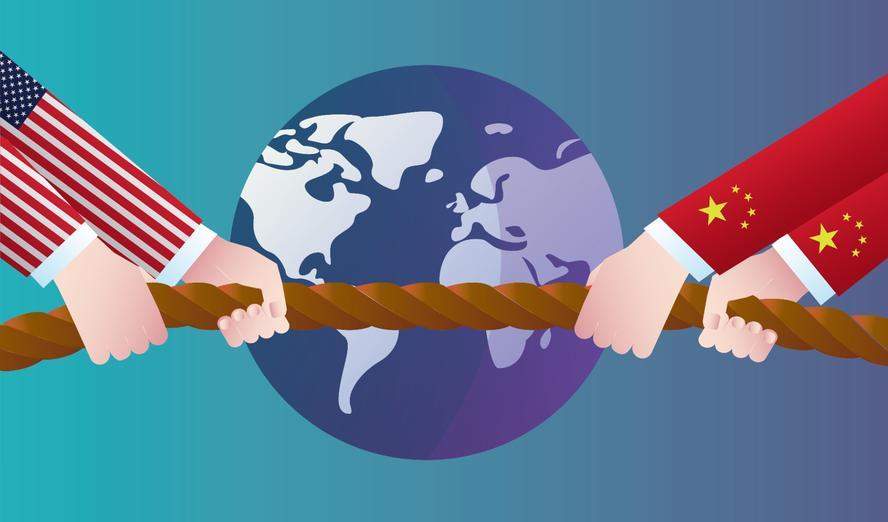
The story of US China geopolitical tensions isn’t a sudden drama—it’s a long-running series with plot twists, uneasy alliances, and rising stakes. These two global giants don’t just shape their own futures; they influence the entire world. From trade and technology to cybersecurity and military strategy, the relationship affects everyday life more than most people realize.
So why does this rivalry feel so intense right now? And more importantly, where is it heading?
Why US China Geopolitical Tensions Matter
Think of the US-China relationship like two tectonic plates. When they shift, even slightly, the tremors are felt worldwide. Markets react, alliances adjust, and national security strategies evolve. Understanding the timeline helps make sense of today’s headlines and tomorrow’s risks.
A Relationship Defined by Competition and Cooperation
Despite the tension, cooperation has always existed—on climate issues, global trade, and public health. But competition has increasingly taken center stage, especially as China’s global influence grows.
Early Foundations of US-China Relations
Cold War Origins
Following China’s Communist Revolution in 1949, the US viewed China through a Cold War lens. Ideology drew a hard line, and diplomatic relations were frozen for decades.
China’s Communist Revolution and US Response
The US backed Taiwan while China aligned with the Soviet bloc. This division laid the groundwork for long-term mistrust that still echoes today.
Normalization in the 1970s
The 1970s brought a diplomatic thaw. President Nixon’s visit to China reshaped global politics, opening trade and communication channels. It was less about friendship and more about strategic balance against the Soviet Union.
Economic Interdependence and Strategic Rivalry
China’s Entry into the Global Economy
China’s economic reforms transformed it into a manufacturing powerhouse. American companies benefited from low-cost production, while consumers enjoyed cheaper goods.
WTO Membership and Trade Growth
China’s entry into the World Trade Organization in 2001 accelerated trade ties. But it also planted the seeds of future conflict over fairness, subsidies, and intellectual property.
Seeds of Strategic Competition
As China’s economy grew, so did concerns in Washington. Economic interdependence began to feel like vulnerability rather than opportunity.
The Rise of Modern US China Geopolitical Tensions
South China Sea Disputes
Territorial claims and military construction in the South China Sea raised alarms. The US framed its response around freedom of navigation, while China emphasized sovereignty.
Taiwan as a Strategic Flashpoint
Taiwan remains one of the most sensitive issues. US support for Taiwan’s defense clashes directly with China’s reunification goals, making it a constant source of tension.
Trade Wars and Economic Decoupling
Tariffs and Trade Imbalances
Trade disputes erupted into tariff wars, disrupting global markets. Both sides accused each other of unfair practices.
Technology Supply Chains and Sanctions
Technology became the new battlefield. Restrictions on semiconductors and telecom firms signaled a shift toward economic decoupling.
Chinese Cyber Espionage Concerns
Cybersecurity as a National Security Threat
Chinese cyber espionage has become a major concern for US officials. Cyber intrusions targeting government agencies, companies, and critical infrastructure are framed as direct threats to national security.
Allegations, Intelligence, and Espionage Risks
These accusations have fueled tighter regulations, indictments, and defensive cyber policies. The digital battlefield is now just as important as land or sea.
Technology, AI, and the Battle for Innovation
Semiconductors and Strategic Technology
Advanced chips power everything from smartphones to fighter jets. Control over semiconductor supply chains has become a core national security strategy.
Data, Surveillance, and Digital Power
Who controls data controls influence. This struggle over AI and surveillance technology reflects deeper concerns about governance and privacy.
National Security Strategy of the United States
Defining China as a Strategic Competitor
Recent US national security strategy documents explicitly describe China as a long-term strategic competitor. This marks a shift from engagement to deterrence.
Defense, Diplomacy, and Deterrence
Military readiness, alliance-building, and economic safeguards now work together as part of a broader strategy to manage competition without open conflict.
Legal Dimensions and the Judicial Structure of the US Court System
How Courts Handle National Security Cases
The judicial structure of the US court system plays a quiet but crucial role. Federal courts review sanctions, espionage cases, and trade disputes tied to China-related policies.
Trade Law, Sanctions, and Federal Courts
From intellectual property theft to export controls, legal challenges often end up shaping how policy is enforced and interpreted.
Military Posturing and Global Alliances
Indo-Pacific Strategy
The US has strengthened its Indo-Pacific presence, emphasizing cooperation with allies like Japan, South Korea, and Australia.
NATO and Asian Partnerships
China’s rise has also influenced NATO discussions, expanding the alliance’s focus beyond Europe.
Human Rights and Ideological Differences
Governance Models and Values
Democracy versus centralized governance remains a defining contrast. These ideological differences spill into diplomacy and trade negotiations.
Global Influence Campaigns
Both nations compete for influence in developing regions, offering investment, aid, and infrastructure support.
Diplomatic Engagement and Strategic Dialogue
High-Level Talks and Crisis Management
Despite tensions, dialogue continues. Diplomatic channels help prevent misunderstandings from spiraling into conflict.
The Role of International Institutions
Global institutions serve as arenas where competition and cooperation coexist, even if uneasily.
The Impact on the Global Economy
Markets, Supply Chains, and Inflation
US China geopolitical tensions disrupt supply chains, affecting prices and availability worldwide.
Developing Nations Caught in the Middle
Many countries face pressure to align with one side, complicating their economic and political choices.
What Comes Next for US China Geopolitical Tensions
Scenarios for Cooperation
Climate change, global health, and financial stability offer opportunities for collaboration—even amid rivalry.
Risks of Escalation
Miscommunication, cyber incidents, or regional conflicts could escalate tensions rapidly if not managed carefully.
Preparing for a Multipolar World
Long-Term Strategic Adjustments
Both nations are adapting to a world where power is more distributed. Flexibility and resilience will matter more than dominance.
Lessons for Policymakers and Citizens
Understanding this relationship helps citizens make sense of policies that affect jobs, security, and technology.
Conclusion: A Relationship That Will Shape the Century
US China geopolitical tensions are not a passing phase—they’re a defining feature of the 21st century. From Chinese cyber espionage to trade disputes and the evolving national security strategy of the United States, every chapter adds complexity. How leaders navigate this rivalry will determine whether competition remains manageable or turns destabilizing. One thing is clear: the world is watching, and the stakes couldn’t be higher.
Категории
Больше
A Carton Machine Knife is a crucial component in the packaging industry, designed to cut, shape, and trim carton materials accurately and efficiently. Used in carton-making machines, die-cutting equipment, and packaging lines, this type of knife ensures that cartons are produced with consistent dimensions and clean edges. Understanding the features, applications, and maintenance of a...

Ecosystem Interconnections Its goal is sweeping: to map the vast web of life that links every corner of the planet — including the tiny, hidden players invisible to the eye. This untold drama unfolds at the heart of every creature and ecosystem, revealing how billions of interactions sustain the world we know. From the Emmy-winning team behind the 2022 series Our Great National Parks...

In advanced slitting and rewinding operations, precision is greatly enhanced when a Differential Air Shaft is incorporated into the process. These shafts are designed to accommodate slight variations in web tension across multiple slit rolls, ensuring each roll winds evenly despite different thicknesses or materials. A consistent winding tension is essential in industries like film, foil,...

Wholesale Diamond Jewellery – Adornet Jewels Introduction Have you ever wondered how some jewellery stores manage to offer breathtaking diamond pieces at surprisingly attractive prices? The secret often lies in wholesale diamond jewellery. At Adornet Jewels, the magic happens behind the scenes—where innovation meets craftsmanship, and beauty becomes accessible. Think of it like...

Finding the right location is one of the most important steps when starting or expanding a business, and this is especially true for service-based industries like beauty and hair salons. Therefore, choosing a commercial suite for rent and commercial space for rent hair salon requires careful planning, research, and strategy. While the beauty industry continues to grow, the demand for...