


Natural Language Processing: How Machines Understand Human Language?
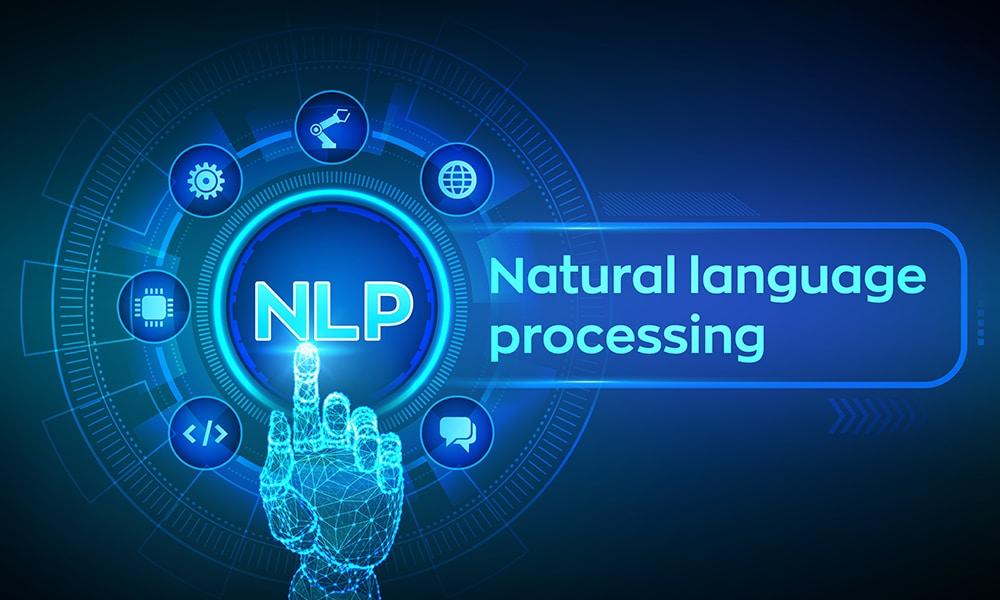
In today’s digital world, communication happens at an unprecedented scale. From emails and chats to voice commands and social media posts, vast amounts of text and speech are generated every second. Making sense of this data is nearly impossible without intelligent systems, and that is where Natural Language Processing (NLP) plays a critical role.
Natural Language Processing is a field of artificial intelligence that enables machines to understand, interpret, and generate human language. By combining linguistics, machine learning, and deep learning, NLP allows computers to process language in a way that feels natural and intuitive to users.
What Is Natural Language Processing?
Natural Language Processing focuses on bridging the gap between human communication and machine understanding. It allows systems to analyze text and speech, recognize intent, extract meaning, and respond appropriately. NLP powers many everyday technologies, including search engines, virtual assistants, translation tools, and customer support chatbots.
Rather than relying on rigid rules, modern NLP models learn from vast datasets, enabling them to understand context, sentiment, and even subtle language nuances.
Core Capabilities of NLP
Text Analysis and Understanding
NLP systems can identify keywords, entities, and topics within large volumes of text. This helps organizations analyze documents, emails, and online content efficiently.
Sentiment and Intent Detection
By examining tone and context, NLP can determine whether text expresses positive, negative, or neutral sentiment. This capability is widely used to understand customer feedback and public opinion.
Language Generation
Advanced NLP models can generate human-like text, making them useful for drafting responses, summaries, reports, and conversational interactions.
Speech and Voice Processing
NLP works alongside speech recognition to convert spoken language into text and interpret voice commands accurately.
To implement these capabilities effectively, many organizations rely on specialized natural language processing services that help design, train, and deploy NLP models tailored to specific business needs.
Real-World Applications of Natural Language Processing
NLP is deeply embedded in modern digital experiences:
-
Customer Support: Chatbots and virtual agents provide instant responses to user queries
-
Search Engines: Context-aware search delivers more relevant results
-
Healthcare: NLP extracts insights from clinical notes and medical records
-
Finance: Automated document analysis and fraud detection
-
Education: Intelligent tutoring systems and automated grading
Benefits of NLP
-
Faster processing of large volumes of text
-
Improved customer engagement and personalization
-
Reduced manual effort and operational costs
-
Better decision-making through language-based insights
Challenges in NLP Implementation
Despite its strengths, NLP faces challenges such as understanding sarcasm, handling multiple languages, and managing ambiguous phrasing. Data quality, bias, and privacy concerns must also be addressed to ensure reliable and ethical AI systems.
The Future of Natural Language Processing
The future of NLP lies in more context-aware, multilingual, and conversational systems. As models become more advanced, they will better understand intent, emotion, and domain-specific language, enabling more natural interactions between humans and machines.
Conclusion
Natural Language Processing is transforming how technology interacts with people. By enabling machines to understand and generate language, NLP enhances communication, automates processes, and unlocks valuable insights from text and speech. As organizations continue to embrace AI-driven solutions, NLP will remain a foundational technology shaping the future of digital interaction.
الأقسام
إقرأ المزيد
Benefits of Using Certification Exam Preparation Material Certification exams help people grow in their careers. They help you get better jobs. They also help you earn more money. Many students want to pass the CBAF-001 exam on the first attempt. This exam is offered by GAQM. However, exam preparation can feel difficult. There are many books to read and many topics to cover. This is why using...

Quick Answer: What are the key supply chain trends in 2026? The most important supply chain trends in 2026 include: Artificial Intelligence in logistics and forecasting Warehouse automation and robotics Real-time supply chain visibility Multi-modal transportation strategies Geopolitical risk management Sustainable and green logistics Businesses adopting these trends are...

PUBG's Resilient Presence PUBG maintains a steady player base, proving its resilience in the gaming market. While other titles may dominate headlines, this battle royale pioneer continues to hold its ground. Its dedicated community and consistent updates ensure it remains a relevant force. The game has evolved significantly since its peak, focusing on long-term engagement over fleeting trends....
The global 3D Printing Metals Market is experiencing rapid growth, driven by increasing adoption of additive manufacturing across industries such as aerospace, healthcare, and automotive. According to recent market insights, the 3D printing metals market size was valued at USD 1.23 billion in 2025 and is projected to reach USD 4.61 billion by 2033, expanding at a compound annual...

The global Hydrogen Fuel Rail & Pressure Regulators Market is expected to witness strong growth over the next decade, expanding from approximately USD 583.4 million in 2026 to USD 1,844.6 million by 2036, registering a CAGR of 12.2%, according to analysis by Future Market Insights (FMI). Market expansion is being driven by the accelerating adoption of hydrogen-powered vehicles, increased...
