Food Importers & Exporters in UAE | Leading Foodstuff Companies

Explore our directory of top food importers and exporters in the UAE Find reliable foodstuff importers and exporters for your business needs
Food Importers & Exporters in UAE: Driving Global Trade with Quality, Compliance, and Innovation
The United Arab Emirates (UAE) has established itself as one of the world’s most strategic hubs for food import and export activities. With its prime geographic location, advanced logistics infrastructure, business-friendly policies, and diverse consumer market, the UAE plays a critical role in global food trade. Today, food importers and exporters in the UAE connect producers and consumers across Asia, Europe, Africa, and the Americas, ensuring a consistent supply of high-quality food products.
In this comprehensive guide, we explore the role of food importers and exporters in the UAE, the types of food products traded, regulatory requirements, logistics advantages, and why the UAE continues to attract global food businesses.
Overview of the Food Import & Export Industry in the UAE
The UAE is heavily reliant on food imports due to limited agricultural land and climatic conditions. Nearly 80–90% of food consumed in the country is imported, making the food trading sector one of the most essential industries in the region.
At the same time, the UAE also serves as a major re-export hub, supplying food products to neighboring GCC countries, Africa, and South Asia. Free zones, modern ports, and advanced cold-chain systems enable seamless import, storage, processing, and export of food items.
Key factors driving the industry include:
-
Rapid population growth
-
High disposable income
-
Tourism and hospitality expansion
-
Demand for international cuisines
-
Government focus on food security
Why the UAE Is a Global Hub for Food Importers & Exporters
1. Strategic Geographic Location
Located between East and West, the UAE provides easy access to major global markets. Food products can reach Europe, Asia, and Africa within hours, making the country ideal for import, export, and re-export operations.
2. World-Class Ports & Airports
Ports like Jebel Ali Port, Khalifa Port, and Port Rashid, along with international airports in Dubai and Abu Dhabi, support large-scale food cargo handling with temperature-controlled facilities.
3. Free Zones & Business Incentives
Free zones such as DMCC, JAFZA, and Dubai South offer:
-
100% foreign ownership
-
Zero or low customs duties
-
Tax advantages
-
Simplified company setup
These benefits attract international food trading companies to establish regional headquarters in the UAE.
4. Advanced Cold Chain Infrastructure
The UAE has invested heavily in cold storage warehouses, refrigerated transport, and food safety technologies to preserve product quality and shelf life.
Types of Food Products Imported into the UAE
Food importers in the UAE handle a wide range of products to meet the needs of residents, hotels, restaurants, and supermarkets.
Fresh & Frozen Food
-
Fruits and vegetables
-
Meat and poultry
-
Seafood and fish
-
Frozen ready-to-cook items
Packaged & Processed Food
-
Canned food
-
Snacks and confectionery
-
Breakfast cereals
-
Sauces, spices, and condiments
Dairy Products
-
Milk and milk powder
-
Cheese and butter
-
Yogurt and cream
Grains & Staples
-
Rice
-
Wheat
-
Pulses and lentils
-
Flour and cereals
Beverages
-
Tea and coffee
-
Juices and soft drinks
-
Energy drinks
Food Export & Re-Export Activities in the UAE
While the UAE imports most of its food, it also exports and re-exports a significant volume of products to regional and international markets.
Re-Export Hub
Many food importers re-export products to:
-
Saudi Arabia
-
Oman
-
Kuwait
-
Bahrain
-
African nations
-
South Asian countries
Re-exports allow companies to benefit from the UAE’s logistics efficiency and customs facilitation.
Locally Processed & Branded Exports
Food manufacturers in the UAE export:
-
Packaged snacks
-
Dates and date products
-
Bottled beverages
-
Halal-certified food products
Role of Food Importers & Exporters in UAE’s Food Security
Food security is a national priority for the UAE. Importers and exporters play a key role in:
-
Maintaining stable food supply chains
-
Diversifying import sources
-
Reducing dependency on single markets
-
Ensuring availability during global disruptions
Government initiatives such as the National Food Security Strategy 2051 support sustainable food trade and long-term supply resilience.
Regulatory Requirements for Food Importers & Exporters in UAE
To operate legally, food trading companies must comply with strict regulations to ensure food safety and consumer health.
1. Trade License
Companies must obtain a Food Trading License from the relevant authority, depending on whether the business is in the mainland or a free zone.
2. Food Product Registration
All food products must be registered with:
-
Dubai Municipality (Montaji system)
-
Abu Dhabi Agriculture and Food Safety Authority (ADAFSA)
3. Labeling Compliance
Food labels must include:
-
Product name
-
Ingredients
-
Nutritional information
-
Country of origin
-
Manufacturing and expiry dates
-
Halal certification (where applicable)
4. Customs Clearance
Importers must comply with UAE customs regulations, including documentation, inspection, and duty payments.
Importance of Halal Certification in UAE Food Trade
As a Muslim-majority country, Halal certification is mandatory for many food products, especially meat, poultry, and processed items. Certified food importers and exporters gain greater trust and wider market access across the GCC and Islamic countries.
Technology & Innovation in Food Import and Export
Modern food importers in the UAE leverage technology to enhance efficiency and transparency.
Digital Supply Chain Management
-
Inventory tracking
-
Demand forecasting
-
Automated documentation
Blockchain for Food Traceability
Ensures product authenticity, origin verification, and quality control.
Smart Warehousing
AI-enabled cold storage systems help reduce food waste and improve shelf life.
Challenges Faced by Food Importers & Exporters in UAE
Despite strong growth, the industry faces several challenges:
-
Fluctuating global food prices
-
Supply chain disruptions
-
Regulatory changes
-
High storage and logistics costs
-
Short shelf life of perishable goods
However, the UAE’s proactive government policies and infrastructure investments help mitigate these risks.
How to Choose the Right Food Importer or Exporter in the UAE
If you are a retailer, restaurant owner, or international supplier, selecting the right food trading partner is essential.
Look for:
-
Valid trade licenses
-
Strong logistics network
-
Compliance with food safety standards
-
Wide product range
-
Competitive pricing
-
Reliable customer support
Trusted food importers and exporters ensure consistency, quality, and timely delivery.
Future of Food Import & Export Industry in UAE
The future of food trading in the UAE looks highly promising due to:
-
Rising population and tourism
-
Growth of e-commerce grocery platforms
-
Expansion of hospitality and foodservice sectors
-
Increased demand for organic and sustainable food
Additionally, investments in agri-tech, food processing, and alternative food sources will further strengthen the UAE’s position as a global food trade hub.
Conclusion
The food importers and exporters in the UAE are the backbone of the nation’s food supply and a vital link in global trade. With advanced infrastructure, strong regulatory frameworks, and strategic market access, the UAE continues to attract international food businesses and investors.
Whether you are a food manufacturer, distributor, or entrepreneur, partnering with reliable food importers and exporters in the UAE opens doors to regional and global markets. As demand for quality, safety, and efficiency grows, the UAE’s food trading sector is set to achieve even greater heights
Categorie
Leggi tutto
In May 2019, Amsterdam hosted the announcement of an exciting new project by Netflix, the global leader in streaming entertainment. The platform revealed its latest Middle Eastern original series, Paranormal, inspired by the bestselling books by the late Ahmed Khaled Tawfik, which have sold over 15 million copies across the Arab world. This series marks Netflix's debut into Egyptian drama,...

The ultimate value of any tracking technology lies in the Radio-Frequency Identification Market business insights it provides. Companies are no longer just collecting data for the sake of it; they are using RFID to fundamentally change how they operate. For example, by analyzing the "dwell time" of products on a retail shelf, managers can identify which items are popular and which are being...

The market research for the global Insulated Transformer market is an accumulation of first-hand facts and quantitative and qualitative evaluation and analysis for the forecast period (2024-2032). The report offers a comprehensive assessment of macro-economic indicators, parent market trends, and several factors influencing the market dynamics. In addition, it also assesses the...

"Executive Summary Portable Speakers Market Opportunities by Size and Share The portable speakers market is expected to witness market growth at a rate of 11.7% in the forecast period of 2022 to 2029. An international Portable Speakers Market report lends a hand to identify how the market is going to perform in the forecast years by providing information about market definition,...

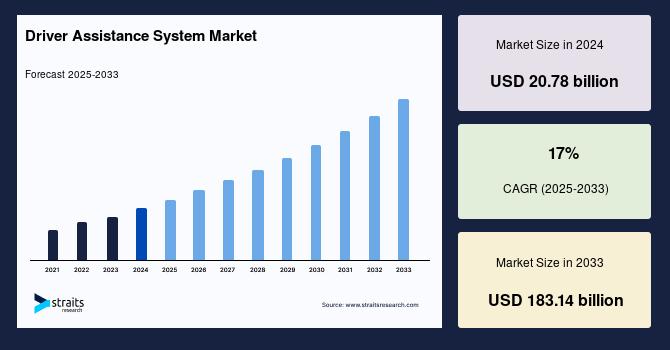
Driver Assistance System Industry Insights: Straits Research recently introduced the latest update on the Driver Assistance System Market that provides an extensive outlook of the market, analyzing key growth opportunities, challenges, risk factors, and emerging trends across diverse geographic regions. The report offers a definitive and meticulous analysis of the Driver Assistance...