How CNC Tool Geometry Affects Machining Accuracy & Finish
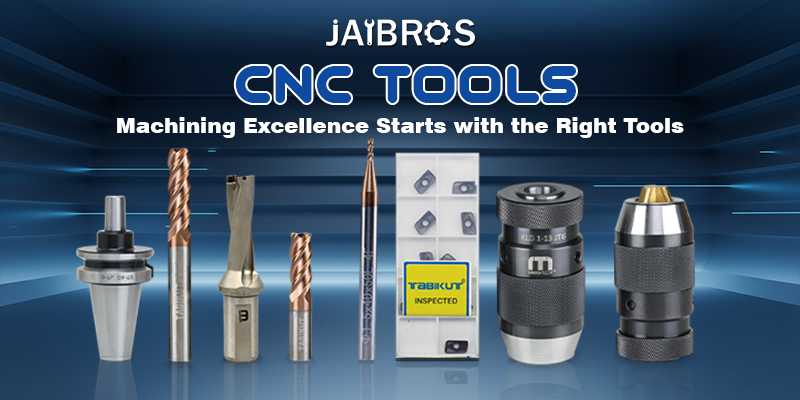
Learn how tool geometry influences CNC machining accuracy and surface finish, helping improve tool life, productivity, and machining quality.
Understanding How Tool Geometry Affects CNC Machining Results
In modern manufacturing, precision and surface quality are critical factors that define the success of any machining process. While machine capability and operator skill matter, the geometry of the CNC tool plays a major role in determining machining accuracy and surface finish. Tool angles, edge shape, and overall design directly affect cutting forces, vibration, heat generation, and chip flow.
Understanding Tool Geometry in CNC Machining
Tool geometry refers to the physical shape and angles of a cutting tool that interact with the workpiece material. These geometrical features control how material is sheared, how chips are formed, and how heat is dissipated during machining.
Selecting the right tool geometry ensures smooth cutting action, stable machining, and reduced wear. Modern CNC machine tools are designed to support a wide range of geometries to handle different materials and cutting conditions efficiently.
Importance of Rake Angle in Cutting Performance
The rake angle determines how the cutting edge engages with the material. A positive rake angle reduces cutting forces and improves chip flow, making it ideal for softer materials. A negative rake angle, on the other hand, offers greater edge strength for heavy or interrupted cuts.
A well-designed CNC with an optimized rake angle improves surface finish while maintaining tool strength. In CNC milling, proper rake angles help achieve smoother cuts and better dimensional accuracy, especially at higher speeds.
Clearance Angle and Its Effect on Accuracy
The clearance angle prevents the tool from rubbing against the machined surface. If this angle is too small, friction increases, causing heat buildup and surface damage. If it is too large, tool strength may be reduced.
Maintaining the correct clearance angle in a tool helps reduce friction, ensures clean cutting, and improves dimensional consistency, which is essential for tight-tolerance components.
Modern machining strategies rely on precise coordination between cutting parameters, material properties, and tooling design. In operations involving CNC milling, proper edge preparation and balanced angles help maintain uniform cutting pressure throughout the cycle. This consistency reduces sudden force variations that can impact part accuracy. Additionally, well-designed geometry lowers spindle load, allowing machines to operate efficiently without unnecessary strain.
Nose Radius and Surface Finish Quality
Nose radius is a key factor in determining surface finish. A larger nose radius produces smoother surfaces but increases cutting forces, while a smaller radius allows sharper detail but may reduce tool life.
Proper tools with the right nose radius balance surface quality and cutting stability. Selecting the correct geometry helps achieve the desired finish without sacrificing productivity.
Tool Geometry and Vibration Control
Vibration, also known as chatter, negatively affects accuracy and finish. Poor geometry can cause uneven cutting forces, leading to tool deflection and surface imperfections.
When machinists choose a CNC with balanced geometry and proper angles, vibration is minimized. This improves surface consistency and protects both the machine and the tooling system.
Heat Management and Chip Evacuation
Heat generation is unavoidable during machining, but tool geometry greatly influences how heat is managed. Sharp edges and proper chip breakers allow chips to evacuate quickly, reducing heat buildup near the cutting zone.
Efficient geometry supports longer tool life and stable machining, which is especially important when considering overall production cost and CNC machine price in long-term operations.
Geometry Selection Based on Material Type
Different materials require different tool geometries. Softer materials benefit from sharper edges and higher rake angles, while harder materials require stronger cutting edges and controlled geometry.
Optimizing each tool for specific materials allows manufacturers to improve productivity, reduce scrap rates, and maintain consistent quality across operations.
Impact on Productivity and Machine Life
Correct tool geometry reduces cutting resistance and mechanical stress on machines. This improves machining accuracy and extends the service life of CNC machine tools, reducing maintenance costs and downtime.
Using well-designed CNC tools also improves repeatability in production, making it easier to maintain quality standards in high-volume manufacturing environments.
From a production planning perspective, selecting optimized tooling geometry also improves cost predictability. Reduced wear rates mean fewer tool changes, less downtime, and more stable machining performance. Over time, this efficiency plays a significant role in controlling operating expenses, particularly when evaluating overall investment factors such as CNC machine price and lifecycle costs. By focusing on geometry optimization, manufacturers can achieve better quality control while maintaining high productivity standards.
Conclusion
Tool geometry has a direct and measurable impact on machining accuracy, surface finish, and operational efficiency. Choosing the right CNC tool is essential for controlling cutting forces, reducing vibration, and achieving consistent results across various machining applications.
For manufacturers seeking reliable and precision-engineered tooling solutions, Jaibros offers a wide range of CNC cutting tools designed for accuracy, durability, and performance. With a strong focus on quality and innovation, Jaibros supports machining professionals in achieving better surface finish, longer tool life, and improved productivity.
FAQs
1. What is tool geometry in CNC machining?
Tool geometry refers to the shape, angles, and cutting features of a tool that affect cutting behavior and finish.
2. How does rake angle influence surface finish?
Rake angle controls chip flow and cutting force, directly affecting smoothness and accuracy.
3. Why is clearance angle important in machining?
It prevents friction between the tool and workpiece, reducing heat and surface damage.
4. Does tool geometry affect CNC milling results?
Yes, proper geometry improves stability, accuracy, and surface quality in CNC milling.
5. Can correct tool geometry reduce machining costs?
Yes, it improves tool life, reduces machine wear, and increases overall productivity.
Categorias
Leia mais
"Asia-Pacific Dental Infection Control Market Summary: According to the latest report published by Data Bridge Market Research, the Asia-Pacific Dental Infection Control Market The Asia-Pacific dental infection control market size was valued at USD 340.83 million in 2025 and is expected to reach USD 564.07 million by 2033, at a CAGR of 6.5% during the forecast period With the...

A new growth forecast report titled Intermediate Bulk Container Market Size, Share, Trends, Industry Analysis Report: By Material (Plastic, Metal, and Corrugated), Application, and Region (North America, Europe, Asia Pacific, Latin America, and Middle East & Africa) – Market Forecast, 2025–2034 introduced by Polaris Market Research represents conclusive data on the...
A new growth forecast report titled Smart Inhalers Market Size, Share, Trend, Industry Analysis Report By Type (Dry Powdered Inhalers, Metered Dose Inhaler), By Indication, By Distribution Channel, By End Use, By Region – Market Forecast, 2025–2034 introduced by Polaris Market Research represents conclusive data on the overall market. It majorly targets to provide a detailed...
For those seeking an intimate aesthetic enhancement, understanding the process is the first step toward a successful outcome. At Tajmeels Clinic, we believe in full transparency regarding our clinical workflows. Here is a detailed look at what you can expect during a Penile Filler in Dubai procedure. The Preparation: Planning for Precision Every Penile Filler in Dubai session begins with a...

The global Coal Bed Methane Market is set to experience substantial growth over the next decade, fueled by increasing demand for cleaner energy sources and advancements in extraction technologies. According to recent market insights, the coal bed methane market size is valued at USD 19.86 billion in 2025 and is projected to reach USD 38.27 billion by 2035, expanding at a compound...