How Medical Records Exchange Enables HIE in the UAE

The UAE’s healthcare sector has rapidly transformed over the past decade, digitally reinventing the way patient care is delivered and coordinated across emirates. Central to this transformation is Medical records exchange a technology‑driven process that allows clinicians to securely and efficiently share patient health information. In the UAE, national digital infrastructure initiatives are pioneering how this exchange empowers a modern Health Information Exchange (HIE) ecosystem that benefits patients, clinicians, and the entire healthcare system.
Unlike older, paper‑based methods, digital medical records exchange connects diverse healthcare facilities, emergency services, private clinics, and specialists in real time. This isn’t just convenient it’s life‑saving. Across the UAE, integrated HIE platforms now support millions of unified records and enable real‑time access to critical data like laboratory results, diagnoses, medications, and imaging reports. The result is improved clinical decision‑making, fewer duplicate tests, reduced costs, and better health outcomes overall.
What Is Medical Records Exchange? (Understanding the Fundamentals)
At its core, medical records exchange refers to the secure and standardized sharing of patient health data between healthcare systems, providers, and institutions electronically. Instead of transporting paper records, faxed images, or siloed PDFs, clinicians retrieve complete health information digitally through interoperable networks.
In the UAE and globally, this exchange typically leverages standards‑based protocols such as HL7, FHIR, and structured interfaces. This ensures that systems — regardless of vendor, location, or software architecture — can talk to each other. Interoperability, the underlying principle that enables this exchange, means a patient’s health history can follow them across care settings, from a primary‑care clinic to a hospital emergency department.
For example, a patient’s allergy history or medication list can be immediately available when they visit a specialist in another emirate — without waiting for paperwork or manual data entry. This instantaneous access improves care continuity, reduces medical errors, and speeds up diagnosis.
The UAE’s HIE Landscape: Unified Platforms Driving Healthcare Connectivity
The UAE’s strategy for advancing healthcare delivery has placed HIE technologies at the heart of its digital transformation. Across the country, interconnected platforms now unify billions of patient records, enabling nationwide medical data exchange in ways never possible before. Key platforms include:
How Medical Records Exchange Powers HIE Platforms
So how does medical records exchange actually enable a Health Information Exchange in practice? Think of it as the engine that drives connected care the bridge between isolated electronic health records (EHRs) and a unified, real‑time network of health insights.
Standardized Data for Seamless Exchange
Medical records are formatted using global standards such as HL7 and FHIR. These standards ensure that different healthcare systems understand and use data in the same way — for example, a blood test result is interpreted correctly no matter which hospital system retrieves it.
This standardization prevents data fragmentation and ensures interoperability meaning the information is usable, accurate, and secure across care settings.
Real‑Time Access to Longitudinal Health Records
HIE platforms provide clinicians with longitudinal views of a patient’s health history (a timeline of a person’s major health events) drawing from previous visits, tests, imaging results, and treatment plans. This comprehensive picture improves clinical decisions and avoids redundant procedures.
Secure Authentication and Privacy Controls
Because patient data is sensitive, medical records exchange systems incorporate strict security measures such as multi‑factor authentication, role‑based access, and encryption. These protections ensure only authorized clinicians can access records while complying with UAE privacy and cybersecurity regulations.
Integration with Local Healthcare IT Ecosystems
Importantly, HIE platforms integrate with existing hospital EMRs and private clinics’ systems. Doctors don’t need to learn new software; they can simply access the exchanged data within their familiar workflows improving adoption and reducing friction.
Benefits of Medical Records Exchange for Patients and Clinicians
Medical records exchange does more than make data accessible — it fundamentally reshapes the delivery of care across the UAE.
Faster, Better‑Informed Care
When clinicians have instant access to a patient’s full record — including lab results, medications, and imaging they make faster and more accurate diagnoses. In emergencies, this can be life‑saving.
Reduced Redundancy and Cost
Without an exchange, providers might repeat tests simply because records are unavailable costing time and money. HIE platforms eliminate this inefficiency, leading to lower healthcare costs and less burden on patients.
Improved Care Coordination
Medical records exchange supports collaboration between primary care physicians, specialists, and emergency teams. It ensures that when a patient transitions between providers, nothing gets lost in the handoff.
Enhanced Patient Safety
Complete access to allergy lists, medications, and past procedures prevents medication errors and potentially dangerous treatment overlaps. It also gives providers a complete understanding of patient history, significantly improving safety standards.
The Role of Health Information Exchange Platforms in UAE Healthcare
Now that we’ve described the mechanics of medical records exchange, let’s look at how this translates into real benefits through major HIE platforms.
Abu Dhabi’s Unified Health Network
one of the UAE’s most impactful HIE platforms, connects thousands of healthcare facilities across Abu Dhabi and centralizes patient data into a single, secure hub. Doctors can access unified records including diagnoses, labs, imaging, and medication history without manual requests.
The centralization eliminates fragmentation, streamlines care, and enhances decision‑making. Malaffi now holds billions of records and supports tens of thousands of users — making it one of the fastest‑implemented HIE systems globally.
Dubai’s Health Information Exchange
In Dubai, connects regional healthcare facilities and manages millions of unified medical files. Through integration with various EMR systems and adoption of interoperability standards, supports comprehensive data exchange across the emirate.
This platform enhances operational efficiency, helps clinicians retrieve vital records quickly, and aligns with the UAE’s broader digital health goals.
National Unified Medical Record
Riayati serves as the national interconnection hub that brings together systems like Malaffi and NABIDH. The result is nationwide interoperability where patient records are accessible across all emirates. This integration has created multi‑billion medical record networks supporting clinicians regardless of where treatment is delivered.
Overcoming Challenges in HIE Implementation
No digital initiative is without challenges, and successful HIE deployment requires careful planning and alignment of technology, governance, and user adoption.
Data Privacy and Trust
Ensuring patient data privacy is paramount. UAE HIE systems adhere to strict regulatory standards and use advanced encryption and access controls to build trust among patients and providers alike.
Interoperability Complexity
Healthcare systems historically used different data formats and standards. The UAE’s move toward standardized protocols like FHIR and HL7 is simplifying interoperability but requires ongoing governance and technical expertise.
Clinicians and staff need training to embrace new systems. Digital health transformation includes not only technology but also people, workflows, and organizational change management.
Also Read :- HL7 Software Solutions for UAE Healthcare Systems
The Future of HIE Software Development Services in the UAE
At the foundation of modern HIE platforms is specialized hie software development services — the technology and engineering expertise that designs, builds, and maintains these complex exchange systems.
Tailored Platform Development
Developers create systems that support local healthcare workflows, regulatory compliance, and secure exchange protocols, ensuring that each HIE platform meets the specific needs of UAE health authorities and providers.
Scalable Architectures
Advanced HIE software uses scalable and cloud‑ready architectures that can grow as healthcare systems and patient populations expand — which is critical in a rapidly evolving national ecosystem.
AI and Data Analytics
Future HIE platforms will integrate intelligent insights, predictive analytics, and population health tools to not only exchange records but also inform decision support and strategic planning.
Continuous Security Enhancements
With cyber threats evolving, developing HIE software with state‑of‑the‑art security — including encryption, role‑based access, and audit trails — ensures long‑term trust and resilience.
Conclusion: Why Medical Records Exchange Matters for UAE Healthcare
Medical records exchange is not just a technical capability — it’s a cornerstone of modern, patient‑centered care in the UAE. By enabling HIE platforms to connect disparate systems, share secure data, and provide real‑time access to critical health information, medical records exchange supports safer, faster, and more efficient healthcare experiences.
From to Dubai’s and the national Riayati platform, the UAE’s integrated approach is a global example of how digital health can improve outcomes, reduce costs, and unify care delivery across regions. As the HIE ecosystem evolves further, hie software development services will continue to innovate, ensuring that clinicians and patients benefit from the next generation of digital health solutions.
Categorias
Leia mais
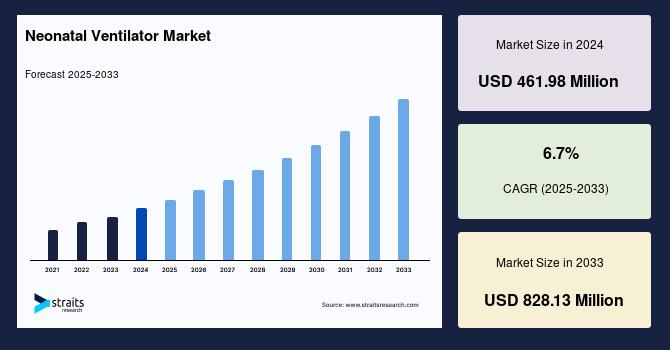
Neonatal Ventilator Industry Insights: The “Global Neonatal Ventilator Market Professional Report 2025–2033” has been introduced by Straits Research to its research database. The report delivers a structured analysis covering market summary, product details, market size and share, value and volume metrics, segmentation, SWOT analysis, and key players, derived from...
A swimming pool is more than just a luxury—it’s a place for relaxation, family fun, and exercise. However, without regular care, pools can quickly become dirty, unsafe, and uninviting. Professional pool cleaning service Fort Worth ensures your pool remains sparkling clean, safe to swim in, and fully functional year-round. What Pool Cleaning Service in Fort Worth Includes...

The Himalayas have always been regarded as the land where spirituality meets serenity. For centuries, sages, saints, and pilgrims have walked the paths leading to the sacred shrines of Yamunotri, Gangotri, Kedarnath, and Badrinath. Collectively known as the Chardham, these four holy destinations represent not only the spiritual essence of Hinduism but also the sheer beauty of nature in its...

Osteocos Osteopatía Vilanova se ha consolidado como un centro de referencia para quienes buscan un enfoque integral de la salud, combinando técnicas manuales avanzadas con atención personalizada. Este centro se especializa en tratar dolores musculoesqueléticos, problemas posturales y molestias crónicas, ofreciendo soluciones adaptadas a cada paciente para...

The ophthalmic lasers market is experiencing robust expansion as eye care needs rise worldwide and technologies advance at an unprecedented pace. With ophthalmic lasers increasingly used in a spectrum of eye care procedures — from refractive corrections to diabetic retinopathy and glaucoma treatments — stakeholders report accelerating adoption, strong clinical outcomes, and...