How to Choose the Right Deskar Inserts for CNC Machining
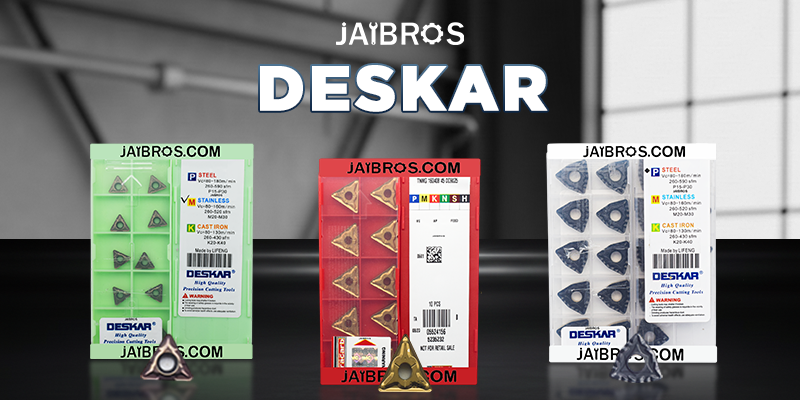
Learn how to choose the right Deskar inserts for CNC machining based on material, insert grade, geometry, and cutting performance.
Key Factors to Consider When Choosing Deskar Inserts
Selecting the correct cutting insert is one of the most important decisions in CNC machining. The right insert can improve surface finish, extend tool life, reduce downtime, and lower overall production costs. On the other hand, a wrong choice can lead to poor accuracy, frequent tool failure, and wasted resources. This is why understanding how to choose deskar inserts properly is essential for machinists, production engineers, and manufacturing businesses.
This detailed guide explains the key factors you should consider to ensure you select the most suitable inserts for your specific machining requirements.
Understanding Your Machining Application
The first step in choosing the right insert is understanding your machining operation. CNC machining includes different processes such as turning, milling, grooving, threading, and parting. Each operation places different demands on the cutting edge.
For example, roughing operations require strong inserts that can handle heavy cuts and high feed rates, while finishing operations demand sharper edges for superior surface finish. Choosing deskar inserts designed specifically for your type of operation ensures stable cutting performance and consistent results.
Material Being Machined Matters
The workpiece material has a major influence on insert selection. Materials such as mild steel, stainless steel, cast iron, aluminum, and exotic alloys all behave differently during machining.
Harder materials generate more heat and cutting pressure, requiring tougher insert grades with higher wear resistance. Softer materials, on the other hand, benefit from sharper cutting edges to prevent built-up edge formation. Deskar carbide inserts are widely used because carbide offers an excellent balance of hardness and toughness, making them suitable for machining a wide range of materials.
Insert Shape and Geometry Selection
Insert shape directly affects cutting strength and accessibility. Common shapes include triangular, square, diamond, and round inserts. Stronger shapes are ideal for roughing, while sharper angles work better for finishing and profiling.
Insert geometry, such as rake angle and chip breaker design, plays a critical role in chip control and cutting efficiency. Proper geometry reduces vibration, improves tool life, and enhances surface quality. When selecting deskar inserts, it is important to match the geometry to both the machining operation and material type.
Choosing the Right Carbide Grade
Insert grade refers to the combination of carbide substrate and coating. Different grades are engineered to perform under specific cutting conditions. Some grades are optimized for wear resistance, while others are designed for toughness and impact resistance.
Deskar carbide inserts are available in multiple grades to suit both high-speed machining and interrupted cuts. Selecting the correct grade ensures longer tool life and more predictable performance. If you are unsure, referring to Deskar inserts the catalogue can help you identify recommended grades based on application and material.
Cutting Speed, Feed, and Depth of Cut
Machining parameters such as cutting speed, feed rate, and depth of cut must align with insert capability. High-speed machining requires inserts with advanced coatings that can withstand heat and reduce friction.
If cutting parameters exceed the insert’s limits, premature wear or breakage can occur. By choosing deskar inserts that are designed for your machine’s capabilities and production goals, you can achieve stable machining and minimize unplanned downtime.
Compatibility with Tool Holders and Machines
Insert compatibility with tool holders is another critical factor. Even the best insert will not perform well if it does not fit correctly or lacks proper clamping support.
Ensure the insert type, size, and mounting system match your tool holder specifications. This compatibility is especially important in CNC machines where precision and rigidity directly affect machining accuracy. Using inserts designed to work seamlessly with deskar cutting tools helps maintain stability and repeatability during operations.
Balancing Cost and Performance
While cost is always a consideration, selecting inserts based purely on price can be counterproductive. Low-cost inserts may wear faster, require frequent replacement, and increase machine downtime.
Instead, focus on cost per component produced. Inserts that last longer and provide consistent performance often deliver better value in the long run. Many manufacturers choose deskar inserts because they offer a reliable balance between performance and affordability, making them suitable for both small workshops and high-volume production units.
Availability and Technical Support
Easy availability of inserts and technical support is often overlooked but extremely important. Production delays can occur if inserts are not readily available when needed.
Working with authorized Deskar inserts dealers ensures you receive genuine products along with application guidance and technical assistance. Reliable dealer support helps you make informed decisions, troubleshoot machining issues, and optimize tool usage over time.
Testing and Continuous Improvement
Even with proper selection, real-world testing is essential. Machining conditions vary from one setup to another, and slight adjustments may be required to achieve optimal performance.
Monitor tool wear, surface finish, and cycle time after implementing new inserts. This feedback helps refine your selection process and ensures continuous improvement. Over time, machinists who consistently evaluate performance gain better control over machining quality and productivity using deskar inserts.
Conclusion
Choosing the right insert is not just about brand or price—it is about understanding your machining needs, material requirements, cutting parameters, and production goals. By carefully evaluating these factors, you can select inserts that deliver consistent quality, longer tool life, and improved efficiency.
When chosen correctly, deskar inserts become a dependable solution for modern CNC machining, supporting both precision and productiv
FAQs
1. How do I choose the right insert for my machining operation?
Start by identifying the operation type, workpiece material, and cutting conditions, then select an insert with suitable shape, grade, and geometry.
2. Are Deskar carbide inserts suitable for different materials?
Yes, they are designed to machine a wide range of materials, including steel, stainless steel, cast iron, and non-ferrous metals.
3. Why is insert geometry important in CNC machining?
Proper geometry improves chip control, reduces vibration, and enhances surface finish, leading to better overall performance.
4. Where can I find technical details for Deskar inserts?
You can refer to the official catalogue, which provides detailed information on grades, applications, and recommendations.
5. How can authorized dealers help with insert selection?
Authorized dealers offer genuine products, technical advice, and support to help you select the right inserts for your machining needs.
Categorias
Leia mais
The vaping industry continues to introduce innovative devices that combine convenience, premium flavour, and reliable performance. Among the latest favourites for UK vapers is the IVG Pro 12 Prefilled Pod Vape Kit, a device designed to deliver a hassle-free vaping experience with exceptional flavour and dependable battery life. Whether you're new to vaping or an experienced user looking for a...

Speculation about Cillian Murphy stepping into Voldemort's robes for HBO's new Harry Potter series has been definitively quashed. Murphy himself addressed the persistent fan rumors during a podcast appearance, firmly stating he possesses no knowledge of such casting. He humorously expressed deep attachment to his own nose, contrasting it sharply with the Dark Lord's famously flattened,...

Menopause marks a natural stage in a woman's life, but it often brings physical and emotional changes that affect daily routines. Hot flashes, joint pain, muscle stiffness, poor sleep, weight gain, mood changes, and lower energy levels can make everyday activities feel more challenging. While these changes vary from person to person, staying physically active remains one of the most effective...

Managing blood sugar, controlling cravings, and maintaining a healthy weight can be difficult for many people, especially with busy modern lifestyles and unhealthy food choices. Many adults in the USA are searching for a natural solution that can support better metabolism, balanced glucose levels, and sustainable weight management without depending on prescription medications or injections....

In a world flooded with fleeting digital content, physical books hold a rare and commanding authority. Choosing the right book printers is the difference between creating something ordinary and producing a masterpiece that stands the test of time. Every page, every texture, every detail contributes to how your message is perceived. Landmark Print transforms manuscripts into stunning physical...