What Is the ROI Timeline for Workflow Automation Solutions?

Investing in automation often sounds straightforward. You streamline processes, reduce errors, and save time. But for most business leaders, the real question is simpler and more practical: when will we see a return on investment from workflow automation solutions? Understanding the ROI timeline helps you plan budgets, set expectations, and justify the decision internally, especially for companies operating in the USA where competition and labor costs continue to rise.
This guide breaks down what the ROI timeline typically looks like, what factors influence it, and how to accelerate results without sacrificing quality.
Understanding ROI in Workflow Automation
ROI, or return on investment, measures how long it takes for the financial and operational benefits of automation to outweigh its initial and ongoing costs.
For automation initiatives, ROI usually comes from:
-
Reduced manual labor
-
Faster cycle times
-
Fewer errors and rework
-
Improved compliance and visibility
-
Better use of skilled employees’ time
Unlike traditional IT projects, automation often delivers value in stages rather than all at once.
Typical ROI Timeline: What to Expect
While every organization is different, most automation projects follow a predictable pattern.
Short-Term ROI (0–3 Months)
In the first few months, returns are usually operational rather than financial.
You may notice:
-
Faster task completion
-
Reduced employee frustration
-
Fewer missed steps or approvals
-
Clearer process documentation
At this stage, the main value is visibility and control. Teams begin to trust the system, and leadership gains better insight into how work actually flows.
Mid-Term ROI (3–9 Months)
This is where measurable financial benefits typically begin.
Common outcomes include:
-
Lower labor costs or redeployment of staff to higher-value work
-
Reduced processing time for key workflows
-
Fewer compliance issues or audit findings
-
Improved customer or employee experience
Many organizations see partial or full payback during this period, especially when automating high-volume, repetitive processes.
Long-Term ROI (9–18+ Months)
Long-term ROI comes from scale and optimization.
At this stage, companies often:
-
Expand automation to additional departments
-
Standardize processes across regions or teams
-
Use data insights to refine decision-making
-
Integrate automation with analytics or AI tools
This is where a single workflow automation solution can evolve into a core operational advantage rather than a tactical fix.
Key Factors That Influence ROI Speed
Not all automation projects move at the same pace. Several factors can significantly impact how quickly you see results.
Process Complexity
Simple, rule-based workflows deliver faster ROI than complex, exception-heavy processes. Automating invoice approvals will usually pay back faster than automating strategic planning.
Volume and Frequency
High-volume workflows amplify savings. The more often a process runs, the faster small efficiency gains add up.
Change Management
Even the best automation fails without adoption. Training, communication, and leadership support directly affect ROI timelines.
Integration with Existing Systems
Seamless integration with ERP, CRM, HR, or finance systems reduces friction and accelerates value realization.
In-House Automation vs External Expertise
Some organizations attempt automation entirely in-house, while others partner with external experts.
Working with experienced workflow automation consulting services can shorten the ROI timeline by:
-
Avoiding common design mistakes
-
Identifying the highest-impact processes first
-
Applying proven frameworks and best practices
-
Ensuring scalability from day one
The upfront cost may be higher, but the reduction in rework and faster deployment often results in earlier payback.
Industry-Specific ROI Benchmarks
While results vary, general benchmarks across industries offer useful guidance.
-
Finance and accounting: ROI often achieved within 3–6 months due to high transaction volumes
-
HR and payroll: 4–8 months, driven by reduced administrative effort
-
Operations and supply chain: 6–12 months depending on complexity
-
Healthcare and regulated industries: 9–18 months, with strong compliance benefits
In each case, choosing the right workflow automation solution plays a major role in how quickly benefits materialize.
Hidden ROI Benefits Many Teams Overlook
Not all returns show up neatly on a spreadsheet.
Automation also delivers:
-
Improved employee morale and retention
-
Faster onboarding for new hires
-
More consistent customer experiences
-
Reduced dependency on tribal knowledge
Over time, these benefits can rival or exceed direct cost savings.
How to Accelerate Your ROI Timeline
If speed to value is a priority, focus on these best practices.
-
Start with one or two high-impact workflows
-
Define success metrics before deployment
-
Involve end users early in design
-
Build with scalability in mind
-
Revisit and optimize workflows quarterly
Organizations that follow this approach and leverage workflow automation consulting services often achieve ROI months earlier than those that automate reactively.
Final Thoughts: Is Automation Worth the Wait?
For most organizations, the answer is yes. While the ROI timeline varies, automation rarely takes longer than 12–18 months to pay back when implemented thoughtfully. More importantly, it creates a foundation for long-term efficiency, agility, and growth.
If you are evaluating automation and want a clear, realistic ROI roadmap tailored to your business, now is the time to act.
Ready to see how automation can deliver measurable returns for your organization? Contact us today to schedule a strategy consultation, identify high-impact opportunities, and build an automation plan designed for fast, sustainable ROI.
Catégories
Lire la suite
Executive Summary Ayurvedic Toothpaste Market : Global Ayurvedic Toothpaste Market was valued at USD 1,000.80 million in 2021 and is expected to reach USD 2,339.84 million by 2029, registering a CAGR of 11.20% during the forecast period of 2022-2029. In this Ayurvedic Toothpaste Market report, industry trends are put together on macro level which aids in comprehending market place and...

The Global OEM Insulation Market, valued at USD 38.80 billion in 2023, is projected to reach USD 62.80 billion by 2032, expanding at a compound annual growth rate (CAGR) of 5.5% during the forecast period 2024–2032. The market growth is fueled by increasing demand for energy-efficient systems, rising adoption of thermal and acoustic insulation in industrial and residential...

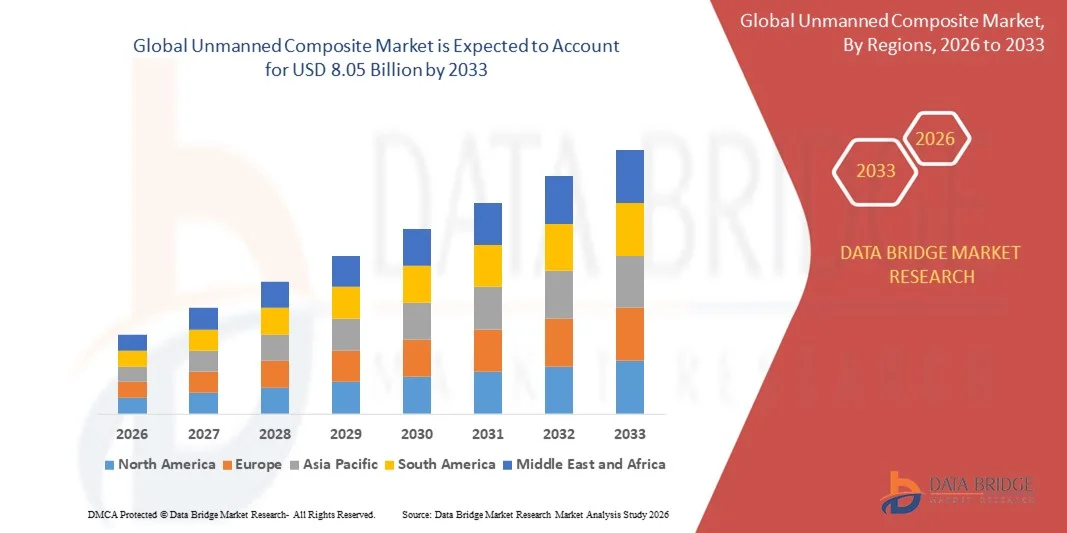
"Unmanned Composite Market Summary According to the latest report published by Data Bridge Market Research, the Unmanned Composite Market The global Unmanned Composite Market size was valued at USD 2.63 billion in 2025 and is projected to reach USD 8.05 billion by 2033, growing at a CAGR of 15.00% during the forecast period. With the effectual use of...
Spice Heaven is the best place to go if you're wanting real South Indian food. Spice Heaven is the best south indian restaurant in dubai the city and is well-known for its rich culinary history and cozy, welcoming atmosphere. Spice Heaven provides an unmatched culinary experience that perfectly encapsulates South Indian cuisine, regardless of whether you're a connoisseur of classic dishes or an...

As trusted Investment Mortgage Lenders in Brisbane, alic delivers tailored finance solutions to help investors secure stronger returns, manage loan repayments efficiently, and grow long-term property portfolios. Whether you need Brisbane home loan refinancing, commercial investment finance, or expert support with complex lending strategies, alic provides dependable guidance and competitive...