Understanding DGFT Registration in India: Purpose, Scope, and Compliance
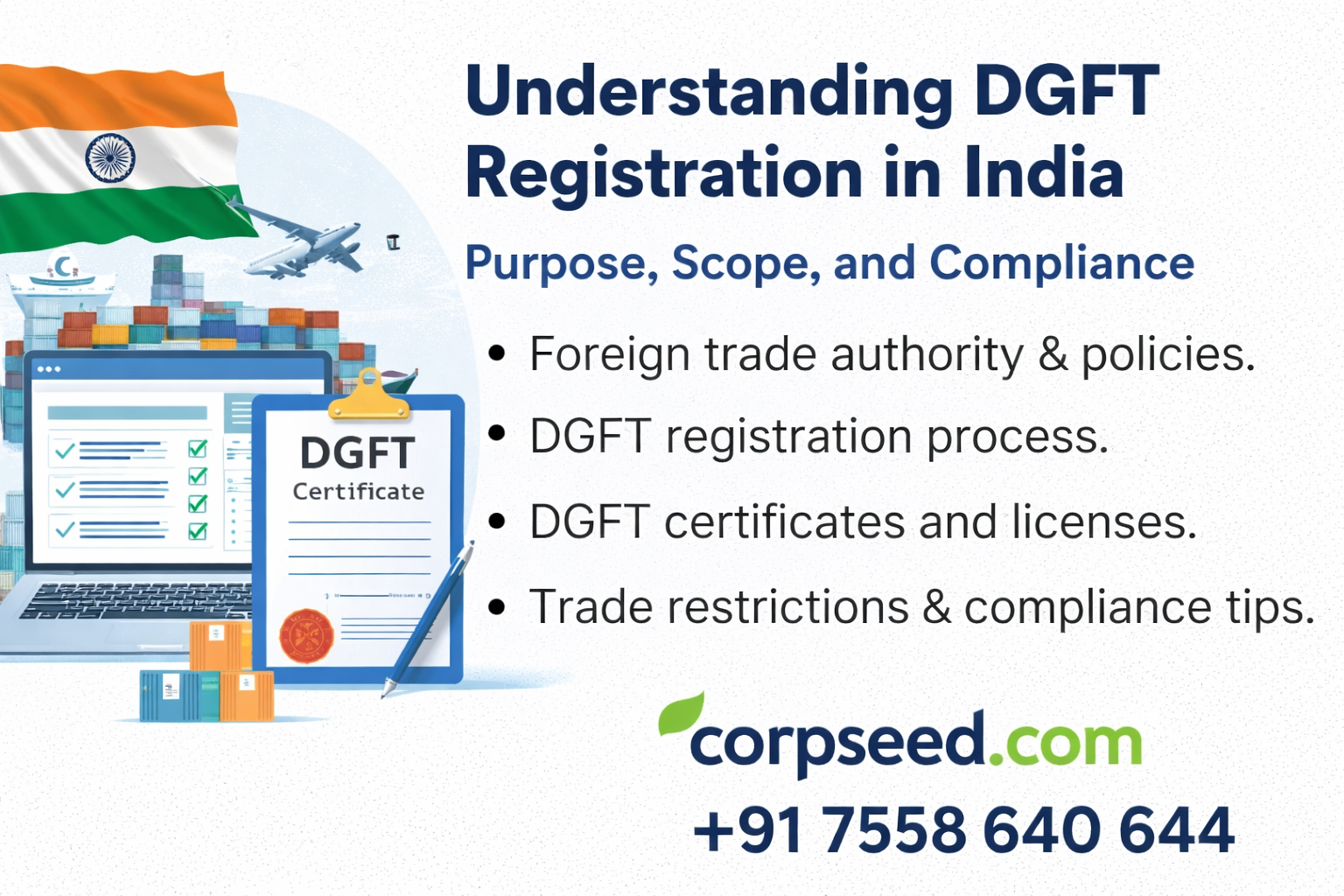
India's foreign trade framework is a set of rules that outline how imports and exports should be done and applies to importers and exporters in all sectors. The framework revolves around the Department of Commerce, a wing of the Ministry of Commerce and Industry, is the authority responsible for regulating and facilitating cross-border trade under India's Foreign Trade Policy and facilitating the same. How this system functions is vital knowledge for any business involved in imports or exports to operate lawfully and have long-term continuity.
This article breaks down the role of DGFT, its importance in trade compliance, and how it relates to the registrations and documentation that Indian businesses need.
What Is DGFT and Why Does It Matter in Trade
DGFT, or the Directorate General of Foreign Trade, is a government body under the Ministry of Commerce and Industry. Its main tasks are to implement India's Foreign Trade Policy, to issue trade permission, and to regulate the trade of goods and services that are restricted or controlled with foreign countries.
From a compliance point of view, DGFT is the connection point between businesses and international trade regulations. It is like the permission that tells a business that it can operate abroad. In the absence of its permission, no matter the business size or the industry, businesses cannot legally participate in cross-border trade activities.
DGFT Registration and Its Role in Import, Export Compliance
Any entity that intends to import or export goods from India must obtain DGFT registration to be recognised by customs authorities, banks, and other regulatory bodies. The registration creates a link between the business and a unique identification number that is used during trade transactions.
After registration, businesses become eligible to use the online systems that facilitate trade filings, authorisations, and policy notifications. This digital framework lessens the chances of errors and makes it possible to track the trade activities.
Understanding the DGFT Certificate and License Framework
The DGFT certificate is a document that confirms that a business is allowed to carry out international trade activities. It is typically presented when going through customs clearance, freight documentation, and foreign exchange transactions.
In the case of businesses dealing in regulated or restricted goods, they may be required to obtain a DGFT license as well. Such licences are granted according to the classification of the product, the end use, and the conformity with the trade policy terms. Not all products need a licence, but knowing whether one applies is critical to avoid violations. licence, but finding out if one applies is the only way to be sure that no infringements are committed.
Trade Categories, Restrictions, and Policy Oversight
DGFT categorizes goods into different classes, including free, restricted, prohibited, or state-trading items. The classification of these goods decides if there is a requirement for extra permissions to be obtained prior to importing or exporting.
Entities working in areas such as chemical, electronic, defence, related products, or agricultural commodities usually face product-specific requirements. Being aware of the policy changes released by DGFT enables businesses to keep up with regulatory updates without the need for a complete halt in trading activities.
Who Should Understand DGFT Requirements
DGFT rules affect a wide range of people and firms, apart from exporters. Importers, manufacturers, merchant traders, and service providers that deal in international transactions must also adhere to these regulations. Startups and small enterprises are not exempt from compliance if they engage in cross-border trade.
Knowledge of DGFT procedures becomes vital when a business intends to operate internationally over a long period. This is because the compliance record is usually checked during audits, bank transactions, or applications for government incentives.
Conclusion
DGFT is at the core of how Indian businesses operate internationally. Its regulatory framework, from registration, licensing, to policy enforcement, is the way the trade activities are kept transparent, regulated, and in line with national interests.
For companies, getting a grip on DGFT requirements is not merely about trudging through procedures; rather, it is about laying down a compliant groundwork for international trade that is viable over time.
FAQs
What is a DGFT license for import?
A DGFT license for import is the license required when importing goods that are classified as restricted in the India Foreign Trade Policy. The license must be obtained before the shipment of goods.
What is the DGFT full form?
DGFT stands for the Directorate General of Foreign Trade. It is an authority that implements India's foreign trade regulations.
How to apply for a DGFT license?
Application for a DGFT license is done online through the official portal with the necessary product details, documents, and policy justification.
What is the DGFT restricted items list for export?
The restricted items list comprises goods that cannot be exported without obtaining a special permit due to various reasons such as regulations, environment, or security.
What is the full form of export?
DGFT stands for the Directorate General of Foreign Trade in the export context. It is the authority that issues export authorisations and monitors compliance with trade policies.
Also Read : https://www.corpseed.com/service/dgft-license-for-restricted-import-export
Категории
Больше
Content marketing gets talked about constantly. And yet, so many businesses do it in a way that feels mechanical. Stiff. It is ticking the boxes instead of attempting to assist anyone. The bizarre thing is that it is those businesses that are not doing it well that are most likely trying hard. The more the posts, the more keywords, the more output. Less result. There's a better way. ...

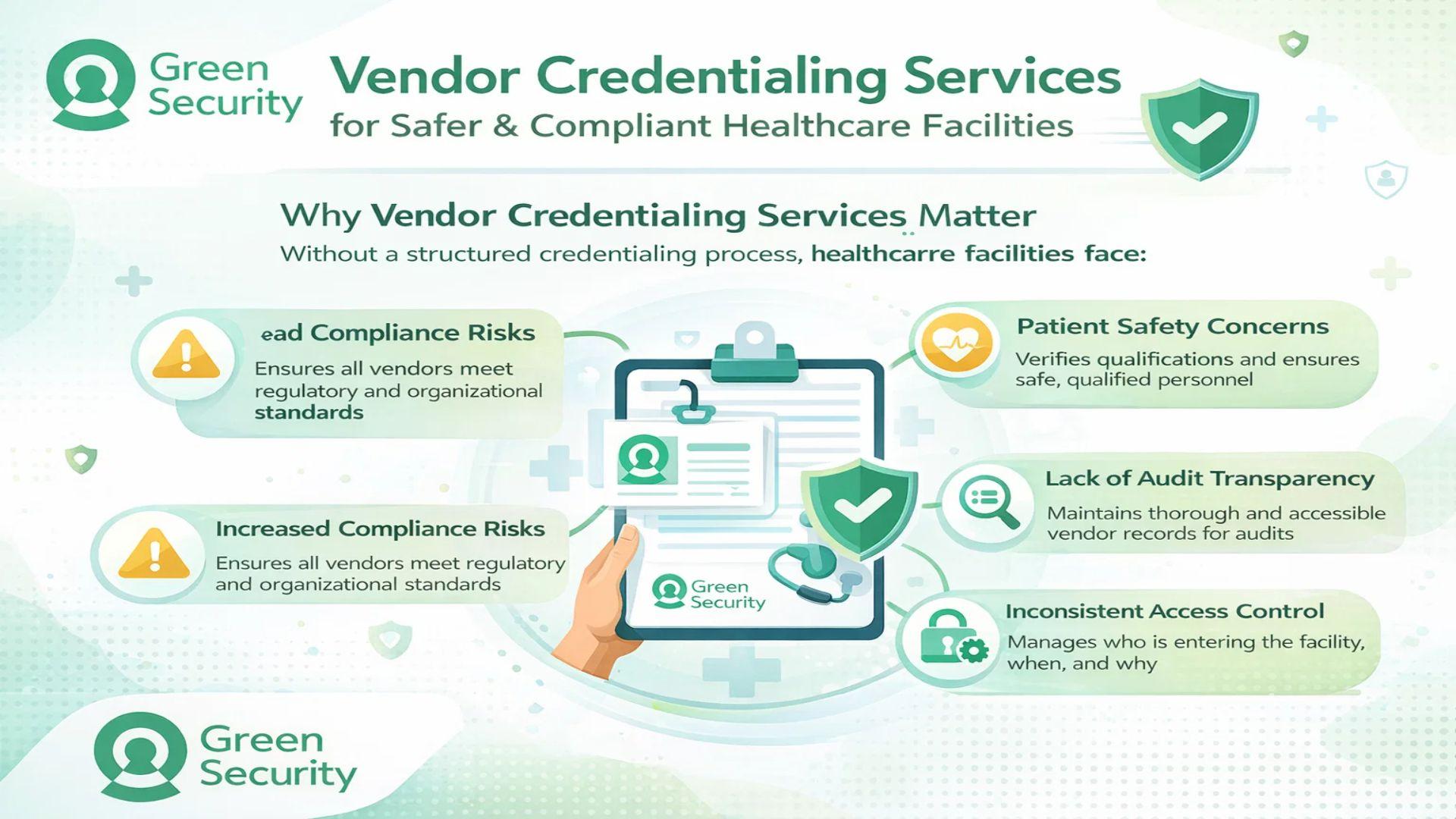
In today’s fast-paced healthcare environment, vendor credentialing services play a critical role in ensuring patient safety and regulatory compliance. Hospitals and healthcare facilities manage a constant flow of vendors, contractors, and medical representatives—making it essential to verify every individual before granting access. A modern vendor credentialing system helps...
在數位娛樂盛行的今天,遊戲早已成為人們生活中不可或缺的一部分。不論是追求刺激、挑戰還是休閒放鬆,一款優質的遊戲平台總能帶來全新的體驗。而在眾多選擇中,Game Q 以其獨特的魅力,成為玩家們近期熱烈關注的焦點。搭配知名娛樂平台 gamequeen 的專業服務,更讓玩家在遊戲世界中能夠安心暢玩,享受極致樂趣。 Game Q 的獨特魅力 Game Q 不只是單純的遊戲名稱,而是結合了創新設計與多樣玩法的娛樂選擇。平台設計重視操作的直覺性,讓新手能夠快速上手,同時也滿足進階玩家對挑戰的需求。遊戲內容兼具策略性與娛樂性,玩家在每一次的挑戰中,都能體驗到不同的樂趣。 為什麼選擇 gamequeen 與 Game Q 在遊戲市場上,選擇一個值得信賴的平台非常重要。gamequeen 作為專業的娛樂品牌,致力於提供穩定且安全的遊戲環境。當玩家進入 Game Q...

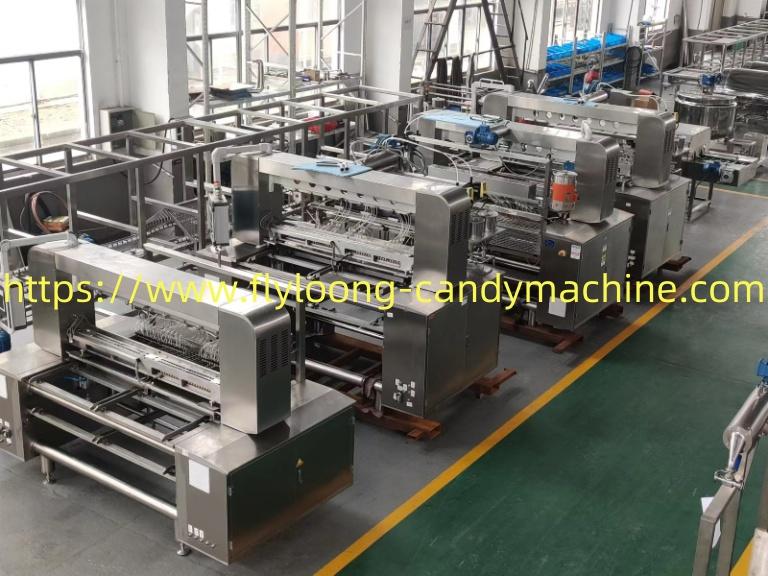
In contemporary confectionery production, the Automatic Rainbow Lollipop Machine has revolutionized the way colorful, visually appealing candies are manufactured efficiently. This type of machine automates the lollipop-forming process, transforming sugar mixtures into perfectly shaped and consistently sized treats with minimal human intervention. By integrating precision engineering,...
Chia seeds have become a popular “superfood” among women due to their impressive nutritional profile and perceived health benefits. Rich in fibre, omega-3 fatty acids, protein, calcium and antioxidants, chia seeds are often promoted for weight management, hormonal balance, digestive health and glowing skin. However, despite their benefits, excessive or improper consumption may lead...