Kids Room Design Ideas: Creative, Functional, and Stylish Solutions for Every Home
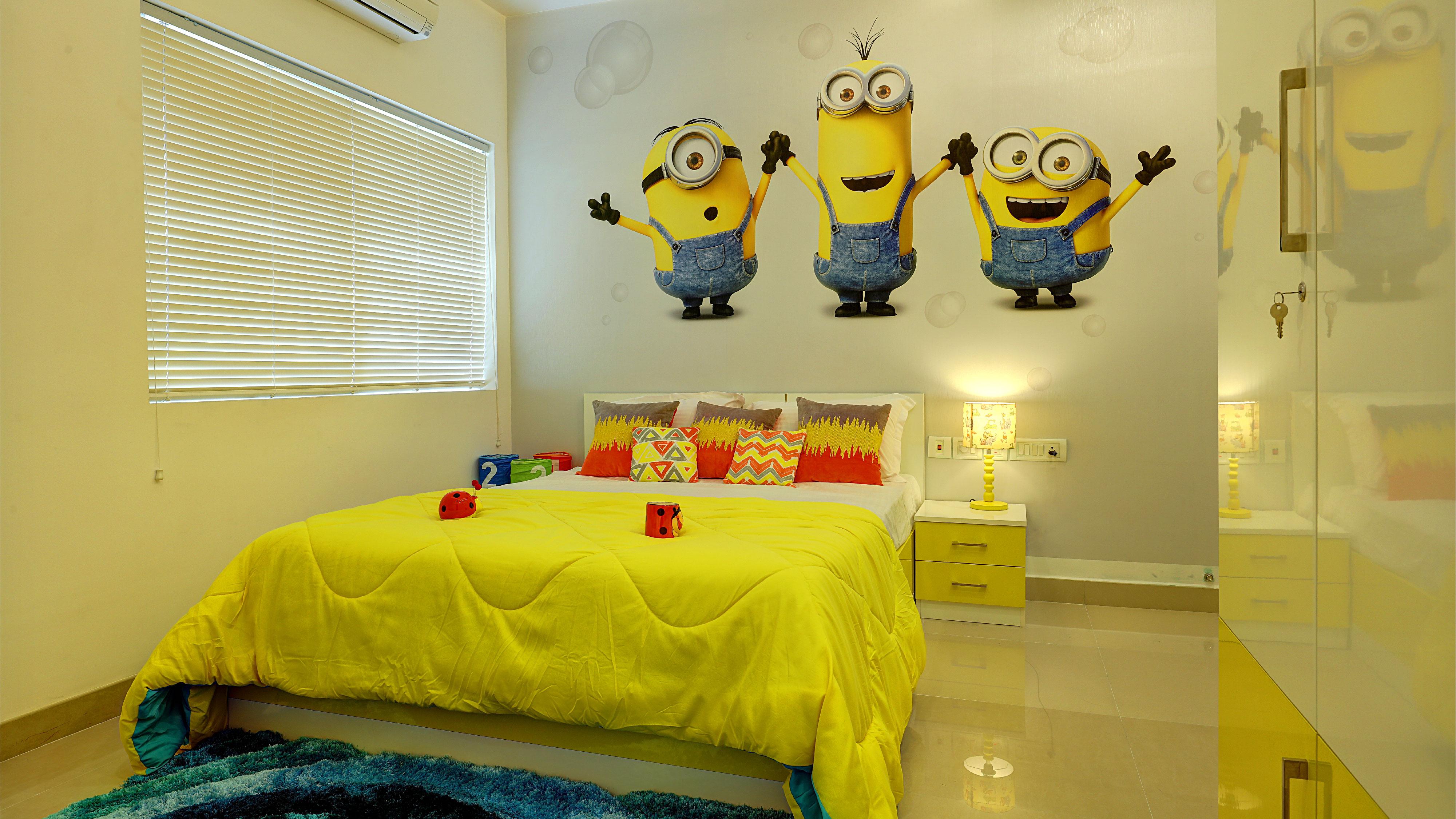
Designing a child’s room is one of the most rewarding home projects because it blends creativity with practicality. A well-designed kids’ room should encourage learning, inspire imagination, and support healthy routines. Many parents also consult interior designers in Hyderabad to ensure the space is both functional and visually appealing. Whether you're refreshing a compact bedroom, planning a shared space, or creating a themed setup, your goal should be to design a room that adapts as your child grows.
-
Start with a Flexible, Long-Term Layout
When designing a kids’ room, think beyond the present moment. Children’s needs change quickly, and a layout that can evolve with them prevents frequent makeovers. Instead of designing entirely around a current theme or age, focus on a layout that supports sleeping, studying, and play. Neutral furniture, adaptable shelving, and open floor space allow the room to transition naturally as your child enters new phases. Creating separate zones for rest, creativity, and learning gives the room structure without making it feel cluttered.
-
Use Color Strategically to Shape Mood and Comfort
Color has a powerful influence on children’s emotions and daily routines. Soft, calming shades help create a peaceful sleeping environment, while vibrant accents add energy and personality. Instead of committing to bold colors on large surfaces, use them in décor elements that can easily be swapped out later. This approach offers flexibility as tastes change with age. Opting for washable, child-safe paint ensures long-term durability while keeping the room healthy and refreshing.
-
Choose Multifunctional Furniture for Practical Everyday Use
Kids’ rooms often face space limitations, making multifunctional furniture a practical choice. A loft bed can free up valuable floor area for a study or play corner, while an extendable desk can grow with your child from preschool to the early teen years. Storage benches, convertible cribs, and durable wardrobes help maintain order without overwhelming the space. Choosing furniture with rounded edges and non-toxic finishes keeps the environment safe while still looking stylish.
-
Incorporate Seamless Storage to Reduce Clutter
Organization is essential in a child’s room, especially when toys, books, school supplies, and clothing accumulate over time. Thoughtfully arranged storage encourages kids to participate in tidying up. Instead of bulky, mismatched containers, consider bins that fit neatly into low shelving units so children can independently access what they need. Using vertical wall space for shelves or pegboards helps keep essentials easy to reach without crowding the room. Under-bed compartments also offer hidden storage for items used less frequently.
-
Add Personality with Subtle, Changeable Themes
A themed room sparks creativity and makes the space exciting for your child. However, avoiding permanent themed installations gives you the freedom to refresh the décor as interests evolve. Rather than painting murals or installing fixed thematic furniture, introduce the theme through bedding, rugs, artwork, lamps, or a small feature wall with removable wallpaper. This allows you to maintain an overall sophisticated look while still letting your child’s personality shine through.
-
Light the Room for Both Function and Comfort
A well-lit room supports reading, studying, playing, and unwinding. Ambient lighting should create a soft, evenly distributed glow, while task lighting ensures your child can concentrate during homework or bedtime reading. Subtle accent lights—such as wall sconces or string lights—add warmth and reassurance at night. Choosing cool-touch LED fixtures and keeping electrical cords concealed enhances safety without compromising style.
-
Create a Learning-Friendly Corner for Daily Activities
As children grow, having a designated learning area becomes increasingly important. A quiet corner with a comfortable chair, sturdy desk, and good lighting helps establish a routine for homework and creative projects. Even in small rooms, wall-mounted desks or foldable worktops can provide a functional solution without taking up much space. Adding a small shelf or board for notes keeps the area organized and fosters productive habits from a young age.
-
Use Textures and Layers to Add Warmth and Softness
Layering textures makes a kids’ room feel inviting and cozy. Soft rugs help soften hard floors, while blankets, cushions, and plush seating create a comforting environment for play or relaxation. A canopy over a bed or reading nook adds charm and makes the area feel special without overwhelming the overall design. Textured décor elements also help reduce noise, creating a more peaceful atmosphere.
-
Encourage Imagination with Creative Additions
Kids thrive in environments that inspire creativity. Even small design elements can transform a regular room into a playful space. A reading nook with a cozy chair, a chalkboard wall for doodling, or a simple play tent encourages exploration and independent play. These additions do not need to dominate the room; instead, they should blend seamlessly with the layout while offering opportunities for storytelling, arts, and imaginative activities.
-
Prioritize Safety in All Design Choices
Safety should guide every design decision in a child’s room. Securing heavy furniture to the wall, choosing cordless blinds, and using rounded edges wherever possible significantly reduce risks. Non-toxic paints, safe fabrics, and child-friendly finishes ensure a healthy environment. Small décor items should be placed out of reach, especially for younger children. A well-designed room balances beauty with responsibility, giving parents peace of mind.
Designing a kids room is an opportunity to create a space that truly grows with your child. By focusing on adaptable layouts, durable furniture, thoughtful storage, and personalized decor, you can strike the perfect balance between function and creativity. A well-planned room supports learning, encourages independence, and provides comfort throughout every stage of childhood. When each design choice is made with long-term usability and safety in mind, the result is a space that remains practical, inspiring, and enjoyable for years to come.
Categorii
Citeste mai mult
In an age dominated by rapid change and increasing uncertainties, astrology remains a timeless tool to navigate life's complexities with insight and confidence. Bangalore, known for its vibrant culture and diverse population, hosts some of the most skilled astrologers who combine ancient wisdom with modern understanding to guide individuals toward better decisions. Engaging with the best...

Free online roulette games with no download required make casino-style entertainment instantly accessible. You can play directly from your browser on desktop or mobile without installing any software or apps. This convenience allows players to jump straight into the action, spin the wheel, and place bets within seconds. It’s ideal for users who want fast gameplay without technical hassles...

The global autonomous vehicle market is entering a pivotal phase of evolution, driven by rapid advancements in artificial intelligence, sensor fusion technologies, and data-driven mobility ecosystems. Valued at USD 2.37 billion in 2024, the market is projected to reach USD 8.90 billion by 2030, expanding at an impressive compound annual growth rate (CAGR) of...

This article provides a detailed analysis of Confined Space Gas Monitor Market Size across key segments including application, technology, and product type. With a 2025 valuation of 2.26 billion USD, the analysis explores how oil and gas, electrochemical sensors, and portable monitors drive demand, alongside regional contributions. Confined Space Gas Monitor Market...
If you enjoy transforming an ordinary bath into a relaxing spa moment, the Pure Epsom Salt Soaking Solution Vitamin Citrus (3 lbs) from The Midwest Sea Salt Company is a beautiful addition to your self-care routine. Thoughtfully crafted in West Chester, Ohio, this rejuvenating soak blends USP Grade Magnesium Sulfate (Epsom Salt) with organic citrus essential oils and vitamin C to create a...