Best Containers For Freezing Soup 2026 The Ultimate Guide
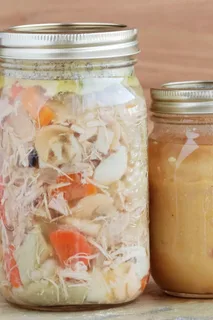
Soup season is year-round for many home cooks, meal preppers, and busy families. Whether you’re freezing homemade chicken noodle, hearty vegetable stew, or creamy bisques, choosing the Best Containers For Freezing Soup 2026 can make all the difference for taste, quality, and convenience.
In this complete guide, we’ll break down everything you need to know about choosing the best freezer containers for soup from material types to capacity, best brands, and expert tips to keep soups tasting fresh for months.
Why Freezing Soup Properly Matters
Freezing soup isn’t just about putting leftovers into any container. If your soup isn’t stored correctly, it can suffer from:
-
Freezer burn (drying out or crystallization),
-
Flavor transfer from other foods,
-
Texture changes, especially in creamy or dairy-based soups, and
-
Leakage when liquids expand as they freeze.
Choosing quality freezer containers designed for liquids ensures your soup stays delicious, organized, and safe to eat. That’s exactly why selecting the Best Containers For Freezing Soup 2026 is crucial before you fill your freezer with homemade goodness.
What to Look For in Freezer Containers
Before we dive into specific products, let’s talk about the key features to consider when freezing soups:
✔️ Freezer-Safe Material
Not all containers are created equal. The most freezer-friendly materials include:
-
Glass long-lasting, non-reactive, and won’t absorb odors. Great for soups you intend to reheat directly.
-
BPA Free Plastic lightweight, affordable, and widely available, but choose thicker, labeled freezer-safe plastic.
-
Silicone flexible, easy to pop frozen soup out, and ideal for portion control.
Avoid thin plastics that crack in low temperatures, and never put hot soup into glass before it cools to avoid thermal shock.
✔️ Airtight and Leak-Proof Lids
Airtight seals prevent air exposure a major cause of freezer burn. Look for containers with:
-
Locking snap-on lids,
-
Silicone sealing gaskets,
-
Lids that won’t warp in the freezer.
The right lid matters just as much as the container material.
✔️ Shape and Stackability
Choose containers that are:
-
Flat and wide mouth (for easy filling and thawing),
-
Stackable to maximize freezer space,
-
Right sized small portions for single meals, larger ones for families.
Leaving about 1–2 inches of headspace in each container allows liquid expansion during freezing.
✔️ Microwave & Dishwasher Safety
While not required, containers that are microwave-safe make reheating easier. Dishwasher-safe lids and bases save clean-up time.
Top Choices: Best Containers For Freezing Soup 2026
:max_bytes(150000):strip_icc()/best-containers-for-freezing-soup-7482293-8d556ec148ad4aba8aa609d2b3ff0b72.jpg)
Here are the best options available now, based on material quality, freezer performance, customer satisfaction, and practicality:
1. Tempered Glass Freezer Containers
Tempered or borosilicate glass containers stand out as a top choice for Best Containers For Freezing Soup 2026 especially if you want something reusable, non-porous, and long-lasting.
Why glass works:
✔️ Doesn’t absorb odors or stains
✔️ Safe for oven/microwave reheating
✔️ Ideal for storage and serving
Many reviews highlight sets of 3–6 containers in varying sizes that fit soups perfectly and stack neatly for optimal freezer use.
Pros: Great flavor preservation, easy labeling, reusable for years.
Cons: Heavier, can break if dropped.
Best for: Long-term freezer storage, reheating directly, eco-conscious homes.
2. Silicone Freezer Trays and Molds
Silicone freezing trays like Souper Cubes have quickly become a favorite among meal preppers and busy cooks.
Benefits:
-
Flexible, easy to pop out frozen portions,
-
Freezer-to-microwave safe, easy to clean,
-
Perfect for controlled portion sizes.
Simply pour your cooled soup into each cavity, freeze, then store the solid cubes in a labeled freezer bag or container.
Great for: Individual servings, quick reheating, reducing waste.
Tip: Silicone trays are especially space-efficient and dishwasher safe.
3. BPA-Free Plastic Containers
For affordability and everyday use, BPA free plastic soup containers remain a reliable choice. The best ones are clearly stamped “freezer-safe” on the bottom.
Why they’re popular:
-
Lightweight and inexpensive,
-
Stackable with secure twist-on or snap lids,
-
Great for bulk freezing.
These are perfect for family portions or batch cooking soups that will be eaten sooner rather than later.
Cons: Plastic can absorb flavors over time and may stain with tomato or spicy soups.
4. Mason Jars & Wide-Mouth Glass Jars
For those who prefer traditional solutions, wide-mouth mason jars are excellent freezer options if you leave enough headspace and choose jars rated for temperature change.
Pros: Affordable, reusable, great for individual portions.
Cons: Not all mason jars are freezer safe avoid narrow mouths or thrift store glass that isn’t labeled for freezing.
Comparing Options: Pros & Cons Chart
| Container Type | Pros | Cons | Best For |
|---|---|---|---|
| Tempered Glass | No odor absorption, reusable | Heavy, breakable | Long-term storage, reheating |
| Silicone Trays | Flexible, space-saving | Upfront cost | Individual portions |
| BPA-Free Plastic | Affordable, stackable | Can stain | Everyday, family meals |
| Mason Jars | Vintage look, affordable | Risk of breakage | Small servings/freezer space |
Tips for Freezing Soup Like a Pro
Even with the Best Containers For Freezing Soup 2026, how you freeze matters too. Here are expert tips:
1. Cool Before Freezing
Never freeze piping hot soup wait until it’s room temperature. This prevents cracking glass and reduces condensation that can lead to freezer burn.
2. Label Everything
Write the soup type and freezing date on the container. This helps you rotate older soups first and avoid mystery meals months later.
3. Leave Expansion Space
Soup expands as it freezes plan for it by leaving headspace (about 1–2 inches).
4. Freeze Flat When Possible
If using freezer bags, lay them flat until fully frozen this cuts thawing time and saves space.
5. Rotate Portions
Divide soup into family and single-serve portions to avoid thawing more than you need.
How Long Can You Keep Soup Frozen?
Soup stored in quality containers (like those in our Best Containers For Freezing Soup 2026 list) can maintain its quality in the freezer for 2–3 months, and sometimes longer for broths and clear soups. Cream-based soups tend to lose texture faster, so use them sooner for best results.
Final Thoughts
Freezing soup is one of the most effective time-saving practices in the kitchen, and with the Best Containers For Freezing Soup 2026, you can preserve every drop of flavor without guesswork. From glass to silicone to BPA-free plastics, there’s a solution for every budget and kitchen style.
Whether meal prepping for work lunches, prepping cozy winter soups ahead of time, or organizing a freezer full of soups for later enjoyment, the right container makes all the difference in taste and quality.
visit more about: wetelluhow
Κατηγορίες
Διαβάζω περισσότερα
A senator has proposed deploying federal investigators to trace online child pornography networks back through internet channels with the goal of locating and recovering victims. Grier Weeks, executive director of the National Association to Protect Children, endorsed the idea and framed rescuing children through such operations as a form of economic stimulus. He argued that creating and...

The global fiber optic cable market is witnessing significant growth as digital transformation continues to reshape industries worldwide. Valued at US$ 12.5 Bn in 2024, the market is projected to expand to US$ 29.5 Bn by 2035, registering a robust CAGR of 8.0% from 2025 to 2035. The increasing demand for high-speed internet, rapid deployment of 5G infrastructure, and expansion of...

Trying to become an electrical engineer in today’s competitive world is nothing short of a major challenge. Students are expected to connect mathematical concepts with physics and practical hardware implementations. For some students, this is not a very complicated task, but for most, this is an absolute logistical nightmare. If you are an electrical engineering student who hasn’t...

Addiction can create barriers that affect every part of life, including health, relationships, career, and personal happiness. What may begin as occasional substance use can gradually turn into a dependency that becomes difficult to overcome without professional help. Fortunately, recovery is possible with the right treatment and support. If you are searching for a trusted De Addiction Centre...

Genetic Testing Industry Insights: Straits Research recently introduced the latest update on the Genetic Testing Market that provides an extensive outlook of the market, analyzing key growth opportunities, challenges, risk factors, and emerging trends across diverse geographic regions. The report offers a definitive and meticulous analysis of the Genetic Testing industry size,...