Managing Acid Reflux and Bloating with a Stomach Doctor Dubai
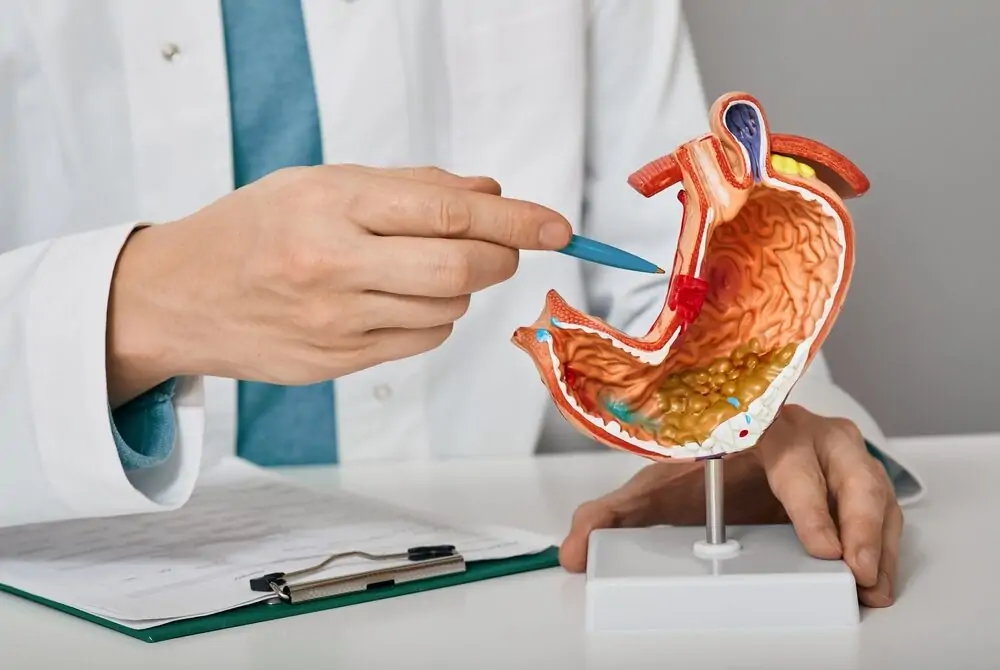
Digestive problems like acid reflux and bloating are common issues that many people face. They can affect anyone, regardless of age or lifestyle, and can disrupt daily routines if not managed properly. While occasional indigestion is normal, persistent symptoms may indicate an underlying health concern that requires professional attention. Understanding the causes, symptoms, and effective treatments for these digestive issues is the first step toward better gut health.
If you are struggling with frequent heartburn, stomach discomfort, or bloating, consulting a stomach doctor in dubai can provide clarity and relief. These specialists are trained to diagnose the root causes of digestive problems and recommend treatments that are tailored to individual needs.
Understanding Acid Reflux
Acid reflux occurs when the stomach acid flows back into the esophagus, the tube that connects your mouth to your stomach. This backward flow can irritate the lining of the esophagus, causing discomfort, burning sensations, and sometimes a sour taste in the mouth.
Common Symptoms of Acid Reflux
Some typical signs of acid reflux include:
-
Heartburn, a burning sensation in the chest or throat
-
Regurgitation of food or sour liquid
-
Difficulty swallowing
-
Chronic cough or hoarseness
-
Feeling of a lump in the throat
While occasional acid reflux is normal, frequent symptoms—more than twice a week—may indicate a condition called Gastroesophageal Reflux Disease (GERD). GERD can lead to more serious health issues if left untreated, including esophageal inflammation, ulcers, or even Barrett’s esophagus, which increases the risk of esophageal cancer.
Causes of Acid Reflux
Acid reflux can be triggered by a variety of factors, including:
-
Eating large meals or lying down right after eating
-
Consuming certain foods such as spicy, fatty, or acidic foods
-
Obesity or being overweight
-
Smoking or excessive alcohol consumption
-
Pregnancy
-
Certain medications like pain relievers, muscle relaxers, or blood pressure drugs
Understanding what triggers your symptoms is essential. Keeping a food diary or tracking lifestyle habits can help both you and your doctor identify the causes.
Understanding Bloating
Bloating is another common digestive complaint, often described as a feeling of fullness or swelling in the abdomen. It can be uncomfortable and sometimes painful. Bloating may result from gas, fluid retention, or underlying digestive conditions.
Common Symptoms of Bloating
-
Abdominal swelling or tightness
-
Frequent belching or gas
-
Cramping or discomfort
-
Feeling unusually full after meals
Bloating can be caused by a wide range of factors, including diet, digestive disorders, or even stress. Identifying the specific cause is crucial to effective management.
Causes of Bloating
Some common contributors to bloating include:
-
Overeating or eating too quickly
-
Swallowing air while eating or drinking
-
Consuming carbonated beverages
-
Food intolerances, such as lactose or gluten intolerance
-
Irritable Bowel Syndrome (IBS)
-
Constipation
-
Hormonal changes in women
In some cases, bloating can signal more serious medical conditions, such as gastrointestinal obstruction or infections. If bloating is persistent or accompanied by severe pain, it’s important to seek professional care from a stomach doctor in Dubai.
Lifestyle Changes to Manage Acid Reflux and Bloating
Many people find relief from acid reflux and bloating through simple lifestyle changes. These adjustments can help reduce symptoms and improve overall digestive health.
1. Eat Smaller, More Frequent Meals
Large meals can put pressure on the stomach, leading to acid reflux and bloating. Eating smaller meals more frequently can reduce this pressure and improve digestion.
2. Avoid Trigger Foods
Certain foods are known to aggravate acid reflux and bloating. These include:
-
Spicy foods
-
Fatty or fried foods
-
Citrus fruits and juices
-
Carbonated drinks
-
Onions, garlic, and cruciferous vegetables like broccoli and cabbage (for bloating)
Keeping track of foods that worsen your symptoms can help you make better dietary choices.
3. Maintain a Healthy Weight
Excess weight, especially around the abdomen, can increase pressure on the stomach, contributing to acid reflux. Regular exercise and a balanced diet can help maintain a healthy weight and reduce symptoms.
4. Avoid Lying Down After Meals
It’s best to wait at least 2–3 hours after eating before lying down or going to bed. This allows your stomach to digest food properly and reduces the risk of acid reflux.
5. Elevate Your Head While Sleeping
Raising the head of your bed by 6–8 inches can prevent acid from flowing back into the esophagus during sleep. Using an extra pillow may help, but a slight incline is more effective.
6. Manage Stress
Stress can affect digestion and worsen both acid reflux and bloating. Practices such as meditation, yoga, deep breathing exercises, or even simple daily walks can help reduce stress and improve gut health.
When to See a Stomach Doctor in Dubai
While lifestyle changes can provide relief, persistent or severe symptoms should never be ignored. Consulting a specialist is important for accurate diagnosis and appropriate treatment.
Signs You Should See a Doctor
-
Frequent heartburn or acid reflux
-
Persistent bloating that doesn’t improve with diet changes
-
Difficulty swallowing
-
Unexplained weight loss
-
Vomiting or vomiting blood
-
Black or tarry stools
A stomach doctor in Dubai can perform tests such as endoscopy, ultrasound, or laboratory evaluations to determine the underlying cause of symptoms. Early diagnosis ensures that conditions like GERD, ulcers, or food intolerances are managed effectively.
Medical Treatments for Acid Reflux and Bloating
Depending on the severity and cause of your symptoms, medical treatment may be necessary. A stomach doctor may recommend:
1. Medications for Acid Reflux
-
Antacids: Provide quick relief by neutralizing stomach acid.
-
H2 Blockers: Reduce acid production in the stomach.
-
Proton Pump Inhibitors (PPIs): More potent medications that lower acid levels and promote healing of the esophagus.
2. Medications for Bloating
-
Simethicone: Helps break up gas bubbles in the gut.
-
Probiotics: Improve gut health and support digestion.
-
Lactase Supplements: For lactose intolerance, these help digest dairy products.
3. Dietary and Lifestyle Guidance
Doctors may also provide personalized dietary plans and lifestyle recommendations to prevent recurrence of symptoms. This may include identifying food intolerances, portion control, and exercise routines.
4. Procedures if Needed
In rare cases, when lifestyle changes and medications are not sufficient, procedures such as endoscopic therapy or surgery may be considered, especially for severe GERD or hiatal hernia.
Preventive Measures for Long-Term Digestive Health
Preventing acid reflux and bloating is often easier than treating it. Long-term strategies focus on maintaining a healthy lifestyle and monitoring your digestive health.
1. Balanced Diet
Eating a diet rich in whole grains, fruits, vegetables, and lean proteins promotes healthy digestion and prevents overeating, which can cause reflux and bloating.
2. Regular Exercise
Exercise supports digestion, maintains a healthy weight, and helps manage stress. Even moderate activity like walking after meals can aid in reducing bloating.
3. Avoid Smoking and Limit Alcohol
Both smoking and alcohol can weaken the lower esophageal sphincter, making reflux more likely. Reducing or eliminating these habits improves digestive health significantly.
4. Stay Hydrated
Drinking enough water aids digestion and prevents constipation, which can contribute to bloating. However, avoid drinking large amounts during meals to prevent stomach distension.
5. Mindful Eating
Eating slowly, chewing thoroughly, and avoiding talking while eating can reduce the amount of air swallowed, lowering the risk of bloating.
When Home Remedies Are Not Enough
While many people manage mild acid reflux and bloating at home, persistent symptoms require professional care. A stomach doctor in Dubai can provide specialized advice and treatment that over-the-counter medications cannot. This ensures that any serious conditions are detected early and managed appropriately.
Benefits of Consulting a Stomach Doctor
-
Accurate diagnosis of digestive issues
-
Personalized treatment plans
-
Monitoring of chronic conditions
-
Guidance on lifestyle and diet changes
-
Early detection of serious gastrointestinal diseases
Conclusion
Managing acid reflux and bloating involves a combination of lifestyle changes, dietary adjustments, and, when necessary, medical care. While home remedies and preventive strategies can provide relief, consulting a best stomach doctor Dubai ensures that your digestive health is properly evaluated and managed.
Dr. Neil Philip Galletly is an experienced specialist who helps patients understand their symptoms, identify triggers, and create effective treatment plans. With professional guidance, patients can enjoy improved digestion, reduced discomfort, and a better quality of life. If you experience frequent acid reflux or bloating, seeking expert advice early can make a significant difference in your overall health and well-being.
Categories
Read More
Online entertainment has become a favorite activity for many people around the world. After a busy day, players often look for a digital platform where they can relax, enjoy games, and experience smooth performance. A great entertainment platform should be easy to use, visually appealing, and reliable.Rikvip provides exactly this kind of experience. RIKVIP offers a modern online...

Despite the ongoing efforts by major players in the entertainment industry to expand their collaborations, Disney has officially decided to hold back from partnering with Roblox for the time being. The primary reason behind this cautious approach centers on concerns related to child safety within the popular online platform. Roblox has recently introduced several new security measures designed...

Some trips are loud. Busy. Packed with schedules and dinner reservations you made three weeks ago and kinda regret. Bryson City isn’t that. You come here to breathe a little differently. Slower. Deeper. And when people start looking to explore bryson city cabin rentals, it’s usually because they don’t want a cookie-cutter stay. They want something that feels like it belongs to...

Introduction In today’s global marketplace, product safety and compliance are essential for success, especially when entering international markets like Europe. One of the most important requirements for products sold in the European Economic Area is CE certification. This certification indicates that a product meets EU safety, health, and environmental protection standards. Obtaining CE...
In an unexpected twist, a humorous report emerged suggesting that over 124% of emails circulating online are spam—an obviously exaggerated statistic meant as an April Fools' joke. The source, a shadowy firm called Male Bomber LLC, claims that a significant portion of digital communication is dominated by unsolicited messages, primarily targeting users with phishing schemes and marketing...