


Guide to Understanding Three Stone Engagement Ring Settings
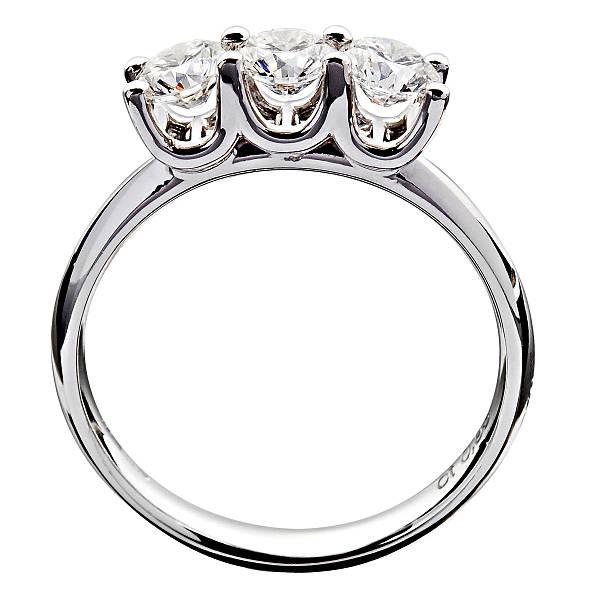
Three-stone engagement rings feel like a story. Past, present, future. Or at least, that’s what people say. But when you look closer, they’re more than symbolism. They’re shapes, settings, metals, and cuts. Little choices that quietly change everything.
And sometimes, honestly, you don’t notice it until the ring is on your finger. Cold at first. Then warm. Then part of your rhythm.
Wait… What Makes a Three-Stone Engagement Ring Different?
I could list specs here—millimeter widths, carat ratios—but that’s not really what matters, is it? A Three-Stone Engagement Ring is about presence. About how the side stones interact with the center stone. It could be two tiny diamonds holding up one big oval, or three equal stones standing side by side.
3 Stone Engagement Rings aren’t just decorative. They’re intentional. Each setting says something—whether it’s balance, emphasis, or just subtle support. Sometimes, the side stones are almost invisible. Just whispers of sparkle. Sometimes, they demand attention. And either way, it works… if it feels right.
Types of Three-Stone Diamond Rings
There’s more than one way to set three stones. The traditional prong setting is obvious. You know—three points of light, separated by metal claws that hold them firm. But there’s more.
- Prong Settings: Classic. Allows maximum light. You see every facet. The diamond almost floats. But snag risks exist. And honestly? That’s part of the charm. You feel it catch on fabric, and it’s alive.
- Bezel Settings: Metal surrounds the stone. Safer. Sleeker. Perfect for someone who’s practical. It softens the shine but adds a kind of quiet sophistication.
- Channel Settings: Stones embedded in the band. Modern, clean, almost architectural. Less traditional but excellent for rings that get a lot of wear.
And yes—some Three-Stone Diamond Rings mix these techniques. Center prong, sides bezel. Or all three prongs. Different combinations tell slightly different stories.
Stone Shapes and Side Stone Placement
Not all three-stone engagement rings are created equal. You can have a round center with pear-shaped sides or an emerald center flanked by tapered baguettes.
The shapes affect perception. Oval centers elongate fingers. Square cuts feel bold and confident. Pears whisper elegance. And you notice these things when you try them on. When you twist your hand in sunlight and catch the reflection.
Side stones also matter. Slightly smaller side stones emphasize the center. Equal-sized stones shout symmetry. It’s strange how tiny differences make you feel differently about the same ring.
Metal Matters—But Not in the Way You Think
Platinum, white gold, yellow gold, rose gold… yes, the colors differ. But the feel is more important.
Cold metal at first, then warm. Against your skin. It’s physical. It’s emotional. That touch influences how you see the ring, how the diamonds sparkle, and how the whole piece sits.
Some Trilogy engagement rings mix metals. Center stone in platinum, sides in gold. Slight contrast adds depth. Doesn’t overpower. Just… adds a narrative layer.
Why Setting Choices Affects Daily Life
Practicality is often ignored. You pick a three-stone engagement ring for romance and aesthetics. But you live with it every day. Cooking. Typing. Brushing hair.
High prongs = more snagging. Channel settings = smoother, safer. Bezel = security, but a little less light reflection.
This is where lifestyle meets symbolism. You want a ring that works with your life, not against it. That’s part of why customization exists.
Customization Options That Actually Matter
Engraving inside the band. Slightly asymmetrical side stones. Mixing gemstones—maybe a sapphire or ruby to flank a diamond.
People get hung up on adding everything. But the best three-stone engagement rings are thoughtful, not overcrowded. A tiny detail in the right place often says more than a dozen flashy extras.
Side thought: hidden touches are quietly satisfying. A small birthstone tucked behind the center stone. Not visible at first glance, but meaningful when you know.
Symbolism Without Being Obvious
Three stones = past, present, and future. Right. But it doesn’t have to be literal.
Equal-sized stones = balance, partnership. Graduated sizes = emphasis, growth. Different shapes = individuality.
And the setting can reinforce that. Bezel side stones = protection. Prong center = openness. Channel = unity. You realize it subtly. You don’t need a lecture. You just feel it.
Common Mistakes When Choosing Settings
· Ignoring daily wear and lifestyle.
· Choosing side stones that overpower the center.
· Picking a metal that clashes with your skin tone or other jewelry.
· Overlooking comfort-fit bands.
These sound obvious, but they’re easy to miss in the excitement of selecting your ring. When choosing trilogy Engagement Rings, you often notice these mistakes only after wearing it for a bit, once comfort, fit, and daily wear ability truly come into play.
Practical Tips for Trying Three-Stone Engagement Rings
- Look at the ring in natural light. Showroom lighting exaggerates sparkle.
- Try different angles. Tilt your hand, twist your wrist. The setting shifts light differently than you expect.
- Don’t rush. Wear it for a few hours if possible. Feel the metal. Feel the stones.
- Compare prong, bezel, and channel settings. Even the same stones feel different.
And sometimes, the best choice isn’t obvious. That’s normal. You’ll know in moments, not immediately.
Wrapping Thoughts
Three-stone engagement rings are deceptively simple. They can be dramatic, subtle, classic, or modern. The setting dictates not just aesthetics but also feel, practicality, and symbolism.
Choosing one isn’t just about sparkle. It’s about fit, comfort, story, and lifestyle. And noticing small differences—the cold metal warming, the side stones catching the light in a particular way, and the balance when you make a fist. Some things just don’t need explaining. You try, you feel, and you decide.
Catégories
Lire la suite
In today’s fast-moving world, stress, anxiety, and fatigue have become everyday companions. Many people are searching not just for holidays, but for meaningful experiences that bring balance back into their lives. If you are looking for a short yet powerful way to restore health and peace, a 3 Day Ayurvedic Wellness Retreat in Rishikesh with yoga, meditation, and healing can be the...
Enterprises across the globe are embracing cloud-first strategies and modern application development frameworks to enhance business agility and streamline operations. The increasing adoption of microservices, containers, and distributed computing environments has created a need for sophisticated networking layers that can manage service interactions efficiently. Service mesh tools provide...

The global Data Bus Market Drivers and Opportunities is currently undergoing a pivotal transformation, acting as the essential digital nervous system for modern high-performance platforms. As of 2026, the sector is evolving from traditional, hardware-centric architectures toward software-defined, bundled solutions that integrate real-time analytics.Valued at approximately US$ 22.51...

Pollution, stress, and harsh sunlight slowly steal the natural freshness of the skin. Many people notice dullness, uneven tone, dehydration, and tired looking skin even after using expensive beauty products for years. Real skin improvement begins from within the body because healthy skin reflects internal wellness and balanced nutrition. Modern aesthetic treatments are now focusing on advanced...
The global paper box market is witnessing steady growth as industries increasingly adopt sustainable, recyclable, and automation-compatible packaging solutions. According to the latest market analysis by Future Market Insights (FMI), the market is projected to grow from USD 67.59 billion in 2026 to USD 83.1 billion by 2036, registering a CAGR of 4.10% during the...
