At-Home HPV Vaccine Services: Safety Standards and Medical Oversight
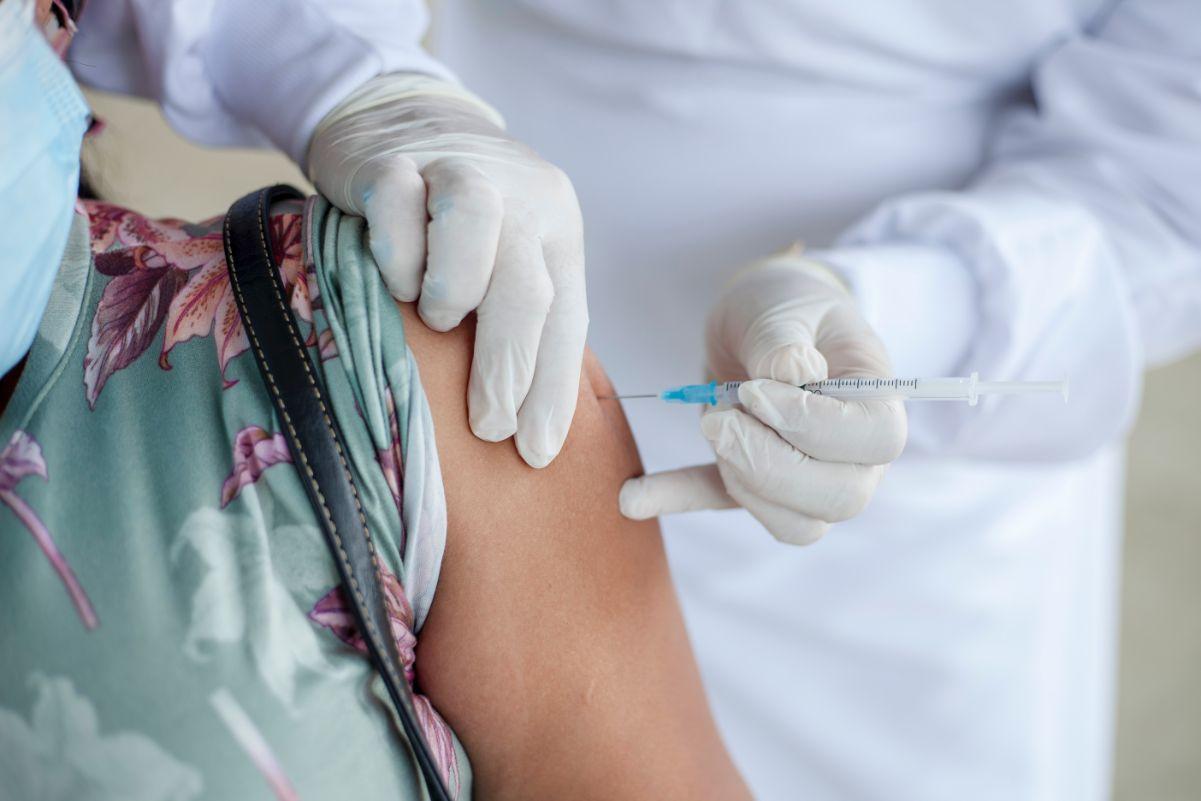
As preventive healthcare continues to evolve, more people are seeking convenient alternatives to traditional clinic visits. Vaccinations, including the HPV vaccine, are now accessible through professional home-based services. HPV Vaccine at Home combines medical expertise with the convenience of receiving care in a familiar setting, raising important questions about safety standards and oversight. Ensuring that at-home vaccination meets the same rigorous clinical requirements as a clinic visit is essential for patient confidence and public health outcomes.
The Importance of Safety in Vaccination:
Safety is the cornerstone of any immunization program, whether delivered in a clinic or at home. Vaccines must be stored, handled, and administered according to strict guidelines to maintain effectiveness and reduce the risk of complications. Patients need assurance that home-based services adhere to these standards, providing the same level of protection and professionalism as traditional healthcare settings.
Licensing and Professional Qualifications:
Licensed healthcare professionals administer at-home vaccinations, including registered nurses and qualified medical practitioners. Providers must meet state and national licensing requirements, complete vaccination-specific training, and stay updated on best practices. This professional oversight ensures that the procedure is performed correctly and that patients receive accurate information about the vaccine, possible side effects, and follow-up care.
Proper Vaccine Storage and Handling:
One critical aspect of safe vaccination is maintaining the cold chain—the process of keeping vaccines within recommended temperature ranges from storage to administration. Home-based services follow strict protocols to preserve vaccine integrity, which typically includes:
-
Temperature-controlled transport and storage
-
Monitoring devices to track conditions throughout delivery
-
Secure handling to prevent contamination
Maintaining proper storage ensures the vaccine remains effective and safe for use.
Medical Screening and Patient Eligibility:
Before administering an HPV vaccine at home, healthcare professionals conduct a thorough medical screening to determine eligibility. This includes reviewing:
-
Age and vaccination history
-
Allergies and medical conditions
-
Current medications and health status
Screening helps ensure that each patient receives the vaccine safely and reduces the likelihood of adverse reactions.
Sterile Administration Procedures:
Administering the HPV vaccine safely requires adherence to sterile techniques to prevent infection. Licensed professionals follow protocols that include:
-
Using disposable needles and syringes
-
Sanitizing the injection site
-
Proper disposal of medical waste
These measures mirror clinic-based standards and maintain a safe environment during the vaccination process.
Post-Vaccination Observation and Emergency Preparedness:
Even with safe administration, it is standard practice to observe patients for a brief period after vaccination. Home-based services typically provide:
-
Monitoring for immediate reactions such as dizziness or allergic response
-
Guidance on what to expect regarding mild side effects
-
Access to emergency protocols and support if needed
This observation ensures patient safety and provides reassurance that help is readily available if complications arise.
Documentation and Record-Keeping:
Maintaining accurate records is an essential part of safe vaccination. Home-based providers ensure that all vaccinations are documented in accordance with medical guidelines, including:
-
Recording the vaccine type, lot number, and administration date
-
Updating electronic health records when applicable
-
Providing patients with documentation for school or insurance purposes
Proper documentation contributes to continuity of care and regulatory compliance.
Patient Education and Informed Consent:
A critical component of medical oversight is patient education. Before receiving the HPV vaccine at home, patients or guardians receive clear information about:
-
The benefits and risks of the vaccine
-
Expected side effects and how to manage them
-
The schedule for follow-up doses if required
-
When to contact a healthcare professional
Informed consent ensures patients make knowledgeable decisions and feel confident in their care.
Ensuring Compliance With State and Federal Guidelines:
Home-based vaccination providers operate under state and federal regulations that govern vaccine administration, storage, and professional conduct. Compliance includes:
-
Following CDC vaccination guidelines
-
Meeting HIPAA requirements for patient privacy
-
Reporting adverse events as required
Adhering to these regulations ensures that home vaccination aligns with broader public health standards.
Training in Emergency Response:
Although serious complications from the HPV vaccine are rare, providers are trained to respond to emergencies such as severe allergic reactions. This preparation includes:
-
Availability of epinephrine and other emergency equipment
-
Protocols for contacting emergency medical services if necessary
-
Ongoing training and certification in first aid and CPR
These safeguards provide an additional layer of security for patients receiving care at home.
Advantages of Professional Oversight at Home:
Professional oversight in home-based vaccination not only ensures safety but also enhances the overall patient experience. Advantages include:
-
Personalized guidance and support
-
Immediate answers to patient questions
-
Continuous monitoring of health status during and after vaccination
-
Assurance that clinical standards are upheld outside a traditional facility
These benefits increase patient confidence and support adherence to recommended vaccine schedules.
The Role of Technology in Safety Monitoring:
Technology enhances safety and oversight by enabling:
-
Electronic health record integration for tracking vaccine administration
-
Digital temperature monitoring for storage compliance
-
Telehealth consultations for pre- and post-vaccination guidance
By leveraging technology, providers maintain high standards while streamlining the at-home vaccination process.
Accessibility Without Compromising Safety:
One of the key advantages of home vaccination is accessibility for those who may struggle to attend a clinic, including busy families, individuals with mobility issues, and those in remote locations. Professional oversight ensures that this convenience does not come at the expense of medical standards, making preventive care both accessible and safe.
Supporting Public Health Goals:
Safe, home-based HPV vaccination contributes to public health by increasing vaccination coverage and reducing barriers to care. By providing professional oversight in an accessible setting, these services help ensure more people are protected against HPV-related conditions, improving long-term health outcomes on a population level.
Final Thoughts:
HPV Vaccine at Home represents a fusion of convenience, accessibility, and rigorous medical oversight. From proper storage and sterile administration to professional screening, emergency preparedness, and patient education, home-based services uphold the same safety standards as traditional clinics. By combining accessibility with high-quality care, these services make preventive healthcare easier without compromising safety, offering a reliable and patient-centered approach to protecting long-term health.
Categorias
Leia Mais
In the fast-growing world of online entertainment, platforms like Mahadev Book have become increasingly talked about among people interested in online casino games, sports betting, and interactive gambling experiences. Whether you’re new to these platforms or someone looking for clear guidance, this blog will help you understand how mahadev book works, what terms...

Freelance Platforms Market : According to the latest report published by Data Bridge Market Research, the Freelance Platforms Market The global freelance platforms market size was valued at USD 5.30 billion in 2024 and is projected to reach USD 12.57 billion by 2032, with a CAGR of 11.40% during the forecast period of 2025 to 2032. In addition to the market insights such as market...

In today’s streetwear culture, very few brands manage to feel both underground and globally respected at the same time. The Glo Gang Hoodie is one of those rare pieces that carries real meaning beyond fashion. It is not just something you throw on to look stylish; it represents loyalty, hustle, self-belief, and a fearless attitude toward life. Born from the influence of...

Discover how a high-quality CNC tool improves machining accuracy, extends tool life, and enhances performance in CNC milling and machine tools. How Premium CNC Tools Enhance Precision and Extend Tool Life In today’s precision-driven manufacturing environment, accuracy and durability are no longer optional—they are...

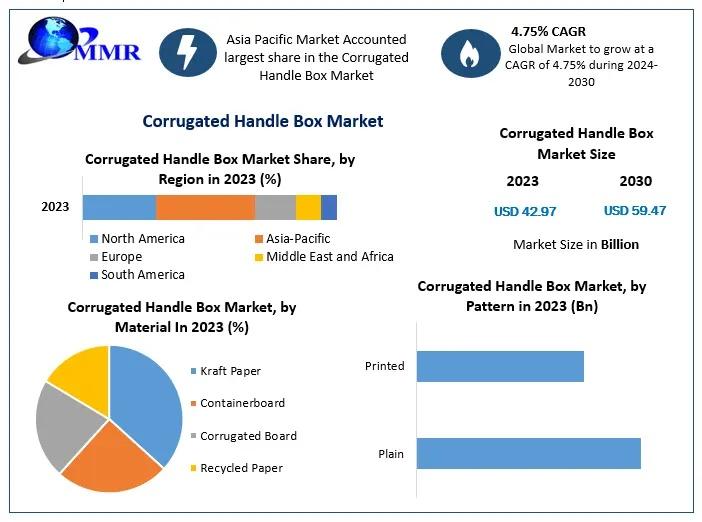
Anticipated Growth in Revenue: The Corrugated Handle Box Market was valued at USD 42.97 Bn in 2023 and is expected to grow at a CAGR of 4.75% during the forecast period. Market Overview Corrugated handle boxes are packaging products manufactured using corrugated fiberboard materials that include built-in handles for convenient carrying and transportation....