From Festivals to Factories: Expanding Barriers in Action

You rarely notice them until they’re needed. Expanding barriers may seem simple, but honestly, they are the unsung heroes of organized spaces.
From chaotic festival grounds to humming factory floors, these flexible, retractable structures quietly solve complex problems. The tricky part is that most people underestimate how versatile and transformative they can be.
Here’s the thing: a well-placed barrier can turn disorder into smooth flow, danger into safety, and confusion into clarity—all in an instant.
Festivals: Making Crowds Feel Calm
Imagine a packed music festival. Thousands of people moving in every direction, food stalls, merchandise booths, and stages competing for attention. Chaos is easy to imagine. That’s where expanding barriers step in.
-
Natural Flow Paths: Barriers guide attendees without making them feel confined, creating intuitive pathways to stages, restrooms, and exits.
-
Queue Management: Long lines are stressful, but temporary barriers keep them organized, reducing frustration and accidents.
-
Safety Zones: Staff can isolate VIP areas, emergency lanes, or equipment zones instantly.
-
Emergency Access: Retractable barriers can be lifted to open escape routes in moments of need.
Dr. G. Keith Still, a globally recognized Professor of Crowd Science and event safety expert, about the importance of spatial design in managing large gatherings.
“The primary goal in designing event space is to establish clarity. When the flow is intuitive, the crowd acts as a fluid; they are guided by the environment, not constrained by it. The design itself becomes the management tool, eliminating the need for people to consciously navigate around bottlenecks.”
Factories: Safety That Adapts
In industrial spaces, hazards are constant. Machinery whirs, forklifts zip through aisles, and production lines are in perpetual motion. Expanding barriers aren’t just tools—they are lifesavers.
-
Hazard Containment: Dangerous machinery or chemical areas can be cordoned off instantly.
-
Guiding Workers: Barriers direct foot traffic safely, separating pedestrians from vehicles and moving equipment.
-
Temporary Zones: Production lines change daily; barriers adjust without any permanent remodeling.
-
Emergency Isolation: In case of spills, fires, or equipment failure, barriers create immediate containment zones.
Believe it or not, even one barrier can prevent injuries, save money on accidents, and maintain smooth operations without slowing down the workflow.
Unexpected Places Barriers Shine
Expanding barriers aren’t just for festivals or factories—they have applications you might not consider:
-
Sidewalk and Alley Management: Urban planners use them to reroute pedestrians around construction or crowded areas.
-
Parking Lots and Garages: Barriers guide cars, prevent unauthorized access, and reduce collisions.
-
Retail Spaces: Stores use them to manage queues, protect displays, and create temporary zones during sales events.
-
Healthcare Facilities: Barriers guide patient movement, separating clean and restricted zones efficiently.
-
Temporary Event Spaces: Community fairs, pop-up markets, and exhibitions rely on barriers for instant space management.
I’ll be real with you: in each case, the barriers improve safety, organization, and user experience without feeling intrusive.
Actionable Tips for Maximum Impact
-
Walk the Space First: Observe how people move and where congestion occurs.
-
Choose Materials Carefully: Outdoor events need weather-resistant options; indoor spaces can use lighter, aesthetic-friendly materials.
-
Position for Flow, Not Force: Place barriers to guide naturally rather than block abruptly.
-
Adjust as Needed: Temporary setups benefit from the ability to expand, contract, or move barriers quickly.
-
Blend With the Environment: For public or commercial areas, barriers that feel integrated are less distracting.
-
Test During Peak Hours: Observe real usage and tweak placement accordingly.
-
Train Staff or Volunteers: Quick adjustments are only effective if operators understand the system.
-
Maintain and Inspect Regularly: Smooth mechanisms prevent accidents and frustration.
-
Use for Multiple Functions: Switch between safety, flow, and crowd control depending on the situation.
-
Evaluate After Action: Take notes to refine barrier deployment for future events or operations.
Key Takeaway
-
Expanding barriers are versatile tools for safety, organization, and crowd management.
-
They adapt seamlessly from festivals to factories, improving flow and preventing accidents.
-
Thoughtful placement and material choice maximize effectiveness.
-
Small, well-deployed barriers have a big impact on everyday operations.
-
Their flexibility makes them invaluable in both temporary and permanent spaces.
FAQ
Where are expanding barriers most effective?
They work in festivals, factories, retail spaces, urban areas, and healthcare facilities.
Can barriers be moved or adjusted easily?
Yes. They are retractable and designed for flexibility to meet changing needs.
How do barriers enhance safety in industrial settings?
They isolate hazardous areas, guide foot traffic, and prevent accidents.
Are they suitable for outdoor events?
Absolutely. Weather-resistant materials ensure durability for festivals, parking areas, and public spaces.
Do barriers improve user experience beyond safety?
Yes. They organize movement, reduce congestion, and make spaces feel intuitive and welcoming.
Κατηγορίες
Διαβάζω περισσότερα
Fast and secure login access is one of the most important requirements for online betting users in India. Whether you are placing bets on live cricket, checking odds during a football match, or exploring casino games, smooth login access ensures you never miss an opportunity. Reddybook is widely used by Indian users, and understanding its login process clearly helps ensure a...

Extra virgin olive oil is valued for its purity, flavour, and natural production process. Many households prefer buying larger formats because they provide both freshness and convenience for daily cooking. When you Buy 2024 Extra Virgin Olive Oil 3 L, you are choosing a product made from the most recent harvest, preserving the natural aroma, balanced taste, and nutritional qualities...

Introduction to Wave and Tidal Energy Equipment MRO Services Market Wave and Tidal Energy Equipment MRO Services Market represents a vital segment of the renewable energy sector, focusing on harnessing the power of ocean waves and tidal currents. The maintenance, repair, and operations (MRO) services for these energy systems are critical to ensure efficiency, reliability, and longevity. MRO...

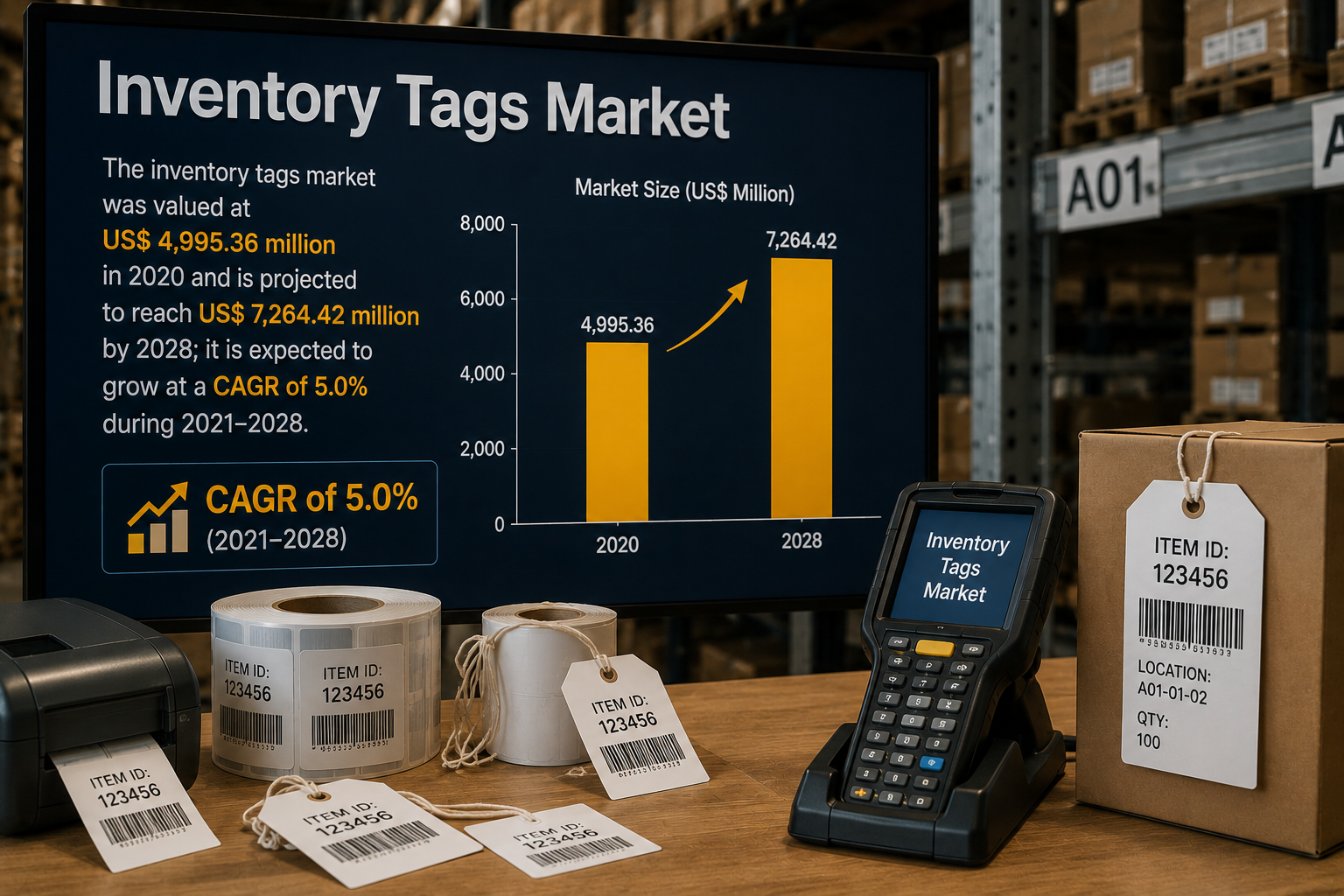
Inventory tracking technologies have become essential for businesses seeking efficient supply chain management, asset tracking, and warehouse optimization. Inventory tags are widely used across retail, manufacturing, healthcare, logistics, and industrial sectors to improve operational visibility and inventory accuracy. These tags help organizations streamline inventory management processes,...
Understanding PESTOTO Online Slots PESTOTO online slots have quickly gained popularity among digital casino enthusiasts for their engaging gameplay and unique thematic designs. Unlike traditional slot machines, these online versions offer a seamless digital experience that combines vibrant graphics, immersive sound effects, and innovative bonus features. Players can enjoy a wide variety of...